
The Thinking Practitioner Podcast
w/ Til Luchau & Whitney Lowe
Episode 161: Science, Skepticism, & Keeping Heart (with Paul Ingraham)
Transcript | Subscribe | Comments | ⭑⭑⭑⭑⭑
Or, listen and subscribe on Apple Podcasts, Spotify, wherever you get your podcasts!
🎁 Scroll down for the full video and transcript!
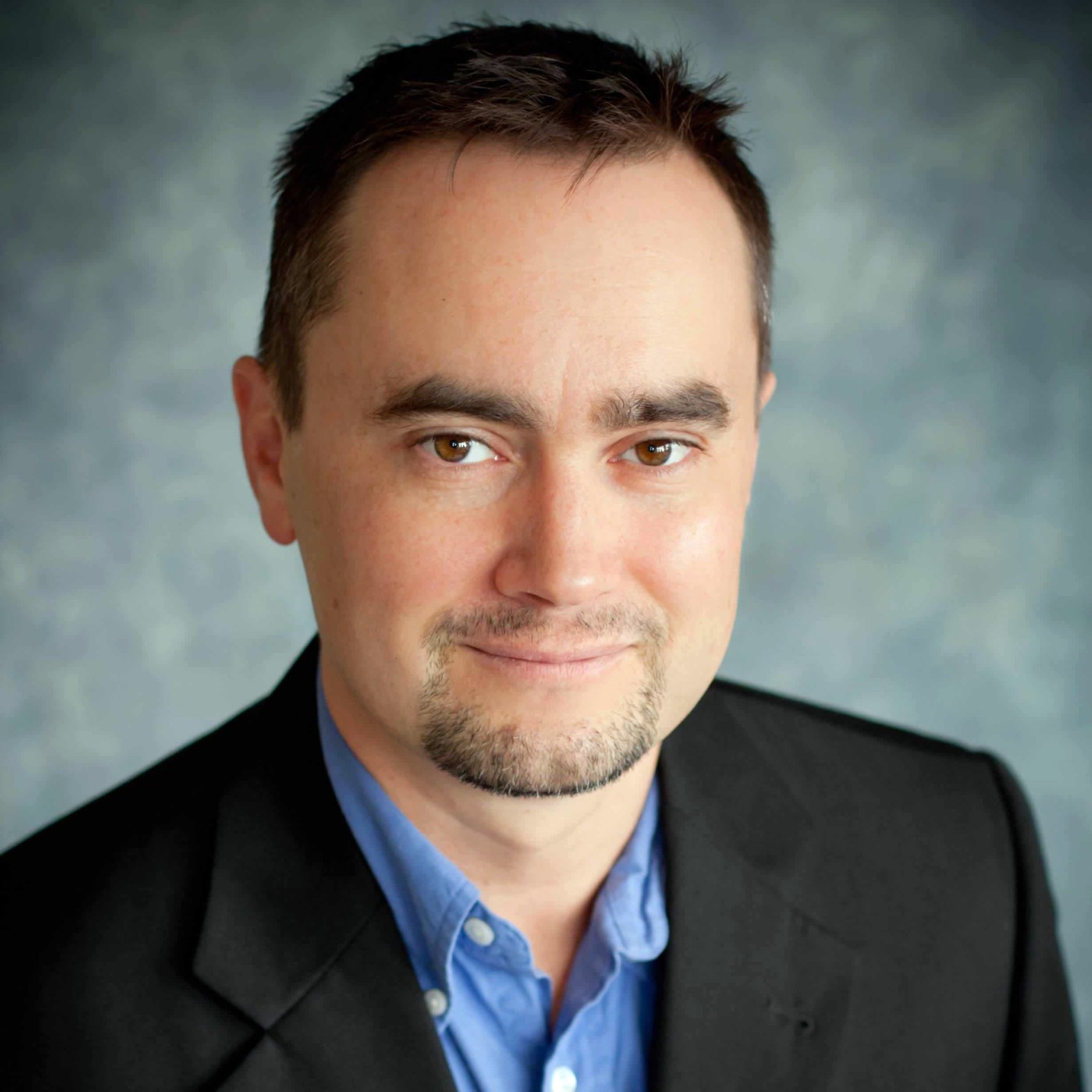
🎙 Science, Skepticism, & Keeping Heart (with Paul Ingraham)
✨ Resources
– Paul’s website with articles and books: https://www.painscience.com
🌱 Sponsor Offers:
– Books of Discovery – Save 15% with code thinking at https://booksofdiscovery.com/
– ABMP – Save $24 on new membership at https://abmp.com/thinking
– Advanced-Trainings – Try one month free of the A-T Subscription at https://a-t.tv/subscriptions/ with code thinking
– Academy of Clinical Massage – Grab Whitney’s free Assessment Cheat Sheet at https://academyofclinicalmassage.com/cheatsheet
✨ Watch the video / connect with us:
• Til Luchau – https://advanced-trainings.com | Facebook | Instagram
📧 Email us: info@thethinkingpractitioner.com
The Thinking Practitioner Podcast is intended for professional practitioners of manual and movement therapies — bodywork, massage therapy, structural integration, physical therapy, osteopathy, and similar professions. It is not medical or treatment advice.

Full Transcript (click me!)
The Thinking Practitioner Podcast:
Episode 161: Science, Skepticism, & Keeping Heart (with Paul Ingraham)
Whitney Lowe
Welcome to the Thinking Practitioner podcast, a podcast where we dig into the fascinating issues, conditions and quandaries in the massage and manual therapy world today. I’m Whitney Lowe and I’m Til Luchau. Welcome to The Thinking Practitioner and thank you again for joining us on The Thinking Practitioner podcast, where Books of Discovery has been a part of the massage therapy and body work world for over 25 years. Nearly 3000 schools around the globe teach with their textbooks, e textbooks and digital resources. Books of Discovery likes to say that “Learning Adventures start here”, and they find that same spirit here on the Thinking Practitioner podcast, and are proud to support our work, knowing that we share the mission to bring the massage and bodywork community thought provoking and enlivening content that advances our profession.
Til Luchau
Instructors of manual therapy education programs can request complimentary copies of Books of Discoveries, textbooks to review for use in your programs. Listeners like you can explore their collection of learning resources for anatomy, pathology, kinesiology, physiology, ethics, business mastery, etc, at booksofdiscovery.com. Where listeners save 15% by entering “thinking” at checkout. Hey, Whitney, we got a guest today. Tell us about him.
Whitney Lowe
Yes, we’re looking forward to having some time with our guest today. If you have ever felt overwhelmed by the contradictory information in the world of rehab and pain relief and manual therapy in particular, our guest today is your guide through the noise. So Paul Ingraham is joining us today, the publisher of painscience.com who is a former massage therapist and science writer and educator in Vancouver, British Columbia is joining us to help clinicians in their quest to kind of see how accurate information can best be gathered to inform our clinical practice. So Paul, welcome to Thinking Practitioner podcast. Great to have you here.
Paul Ingraham
Thank you. Nice to be here. I like that introduction. All right, okay,
Whitney Lowe
well, I want to go into a little bit of background here first, as we, as we get kind of started. You started as a massage therapist in Vancouver before becoming a science writer. Tell me, what was that sort of transition like? What was, was there kind of like a turning point that made you kind of move more toward writing education things, as opposed to doing, doing clinical work?
Paul Ingraham
Yeah, about 2007 when I first started getting paid to write; nothing like a paycheck to encourage someone, but I was always a writer. I had been a writer for many years before, not a successful writer, mind you, but it is, of course, normal and standard for writers to start out with a strong writerly identity and no income from it. So I went into massage therapy because I wanted a good day job, and it was a good day job, and the part that I didn’t see coming was that I ended up writing about my work as a massage therapist. I got excited about what I was doing and the intellectual puzzles that I found inside my career, my new day job turned out to be way more interesting than expected, and kind of hijacked my interest.
Whitney Lowe
Oh, so that that writing thing could never go away. It was it was there all the time.
Paul Ingraham
yeah, yeah, my whole life, everything, everything I do, I have to write about it. So at some point I figured out, oh, I guess I’m a writer, right?
Whitney Lowe
Yeah. So how do you kind of view yourself now in relation to this work? I mean, I know you, a lot of the things that you’ve published have been things that have, for example, challenged a lot of the traditional narratives in our field. But do you see yourself more as kind of like a person informing the profession, or somebody still inside this trying to, you know, work at it and expand our understanding from inside.
Paul Ingraham
Oh, I’m a hybrid. I i It’s, you can’t spend as much money as a as I did on my education. You can’t do a year, you know, 10 years of clinical work without feeling like an insider. I mean, yeah, I was a massage therapist, but it’s been a long time. You know, it’s been 15 years since I was last working as a clinician, and so that feeling is fading. And more and more, I do feel a little bit like an outsider. Also, I engage with other professions more and more often, as I progress in my career, I’m writing about a much wider range of topics than I would have dared to attempt, yeah, back then. So, yeah, I’m spreading out more and more. I don’t feel like I’m in the massage therapy club anymore, but I still have a foot really firmly in it. I mean, there was just just too many years when that was my identity?
Whitney Lowe
Yeah, one of the things that I wanted to to ask you about, were you I was trying to go back and like, I’ve read through all this stuff that was on your site. Were you the one that coined the term modality empire?
Paul Ingraham
I think that was me. Yeah, I’m quite confident of it. I’ve got about three. terms that I believe I’ve coined there are now somewhat widely used. Yeah, and modality empires is one of them.
Whitney Lowe
Well, I want to touch base on that a little bit because, you know, they’re the way that a lot of continuing education is taught. And, you know, methods are shared in our profession is around specific techniques and modalities, and people often get very identified with their particular approaches, and we’ve learned from research, I think all of us, anybody who’s been, you know, looking at research and reading stuff for the last couple of decades, has probably had to shift or change something that they came upon that might be different from what they were taught, or maybe something that was, you know, part of an ingrained system that they really saw themselves identified with. But how can you kind of, as a practitioner, separate like who you are from the things that you were taught or the sort of the things that you identify with as a system or methodology, or do you need to maybe, like, what do you think?
Paul Ingraham
Well, I mean, you can’t ultimately separate your identity from what you do. Are we are our behavior? So if you spend all day doing a thing, you’re going to identify with it. But there it is important to be able to try to separate yourself from that, and always be open to the possibility that what you’ve been doing, you know, maybe could be upgraded. Let’s put it that way. People need a different reward, and that’s really difficult. I just dropped a science fiction novel. I had read about 1/3 of it, and I thought it was terrible, and I put it down, and happened to notice the reviews. And the reviews were, there were hundreds of four and five star ratings and reviews for this novel, and I couldn’t get over the thought that this author is out there thinking I am doing such a good job. I am a good writer of novels that the reward of that feedback is very potent, that author has absolutely no reason to change what they’re doing, even though I think it’s objectively clear that that was not a good novel. Need to be doing something different. So I told that story because I think that this is about reward. Every clinician has happy clients, and as long as you’ve got satisfied clients, independently of clinical effectiveness, you are going to feel rewarded, and you’re going to be strongly, strongly incentivized to continue doing whatever you’re doing. Basically, what I’m saying is it doesn’t matter what you’re doing, as long as you’re doing it with good intentions and, you know, a warm heart and compassion, and you give your your clients, your time and attention and your care, you’re going to have fans, and you’re going to be encouraged to keep going. So the trick is change the reward. Start thinking in terms of something else being the reward
Til Luchau
I like that. I like that. You say that doesn’t matter what we’re doing or matters the reward we’re getting, the interaction, the feedback, the satisfaction. I think of you, and I’ve followed you for years and enjoyed it and been irritated and triggered by it at different times, but I think of you as someone who makes the argument that it does matter what we think about how we explain what we’re doing. That is that a fair characterization.
Paul Ingraham
When I said that it doesn’t matter. I believe I meant that it doesn’t matter what what we do or what we think about it, we will still have fans just like that book. And what I’m talking about here is this distinction between effectiveness and satisfaction that clients can be satisfied completely independently of whether or not they’re actually getting helped. And that’s what I think. That’s what I meant. If I said that it doesn’t matter, it doesn’t matter what we do, we’ll still be encouraged to continue doing it by those satisfied clients.
Til Luchau
This brings out the question, sorry, brings the question of this is being satisfied. The goal is that enough? Okay, say more.
Paul Ingraham
Well, satisfaction is, is, in many ways, very easy to achieve. People want to be satisfied. They want to feel like they’re getting their money’s worth. So it’s pretty easy to get them there. You’re pretty much it’s just the challenge of telling people what they want to hear, and that’s never hard. Actually helping people with serious chronic pain, for contrast, is really difficult. Lots of people with chronic pain are satisfied patients, but. Still have crying, so there is a fairly wide gap between those things.
Whitney Lowe
So this is one of the things that’s been a challenge for me to kind of get to and focus on over the recent years, with a lot of the recent research that’s come up, this challenged narratives that I used for years describing certain types of things, and I’ve been curious about this and talking to students as well. Yeah, when something you know, evidence comes about that seems to run counter to a narrative that somebody has used for a long time, but they’re still very successful in clinic. Is there? Is it really, I guess I’m speaking more of an educator. Is it? Is it really valuable to try to change that narrative with them, or is it more valuable to encourage them to continue just offering compassionate care and effective work, and if they’re getting good results, then continue getting good results? I mean, I guess unsure of like where, where that boundary is, of of trying to change people’s minds about what’s happening with what we do.
Paul Ingraham
I mean, in some cases, it’s probably going to be a distinction without a difference, isn’t it? Some some people are very happy with their some clients are very happy with their relationship with with a professional, regardless of whether or not they’re actually improving and changing, the story about what’s going on isn’t going to make a difference. It might not even make a difference if there is a benefit. Why is there a benefit? May be irrelevant in some cases, if it’s if it’s happening, it’s happening. But there is potential harm in having bogus stories about why it’s working, if it’s
Whitney Lowe
working, so what and what do you see to be some of those potential harms?
Paul Ingraham
I think the most common is that there’s often a story about fragility and vulnerability that just isn’t true or about, you know, the pathologization of asymmetry, imbalance, dysfunctional movement. This can at the at the very same time that you know, by hook or by crook, the treatment is working somehow, for some other reason. It’s not not because an alignment is being straightened out. It’s not because of fascia distortion is being removed from someone’s fascia, whatever, but it’s working. Somehow it’s working. And yet that patient goes forward in life with the idea that they are vulnerable to this thing, and they become, in some cases, perpetually afraid of that. I’ve met plenty of people who are going through their life, you know, and spent many years avoiding certain activities because they believe that they’re too fragile. This is, of course, really common with back pain. So fragilistic thinking is pretty easy to induce. And in fact, the the effectiveness of treatment, if indeed it is effective, is a fantastic way to shore that up and convince people. You know, if the the note, if the narrative is bogus, but the treatment is effective, the narrative gets a big boost, and can be really sticky.
Whitney Lowe
I’ve often wondered too just I mean, is there a is there a possibility that a scientifically inaccurate narrative about something, does this in the bigger, broader scale do anything to harm the credibility of practitioners in working with other healthcare professionals if a particular narrative, for example, has been kind of debunked by Yeah, by research.
Paul Ingraham
I mean, just look at the state of the credibility of some of the more questionable professions, the if you’re constantly like, which ones are we thinking about? Well, let me just go to an extreme and say, What about homeopaths? Regardless of what you think about homeopathy, it isn’t taken very seriously by mainstream medicine. Now we would probably make the case that that’s justified, that they shouldn’t be taking it seriously, but regardless of the merits of the argument, the point is, is that because the story that homeopaths tell about what they’re doing and why it works seriously undermines their credibility with other professions, even if they’ve got very happy patients, even if. Somehow they are having good effects on their patients. The story that they’re telling about it is very damaging to their reputation with other health care professionals, even other alternative health care professionals. I know plenty of massage therapists who are disgusted by the absurdities of claims coming from homeopaths. So it’s a spectrum, and massage therapists definitely risk not being taken seriously by other healthcare professionals, specifically because of some of the pseudo scientific narratives that they spin. And this is one of the reasons that I left the profession when I had the opportunity to transition to writing. It was partly because I was embarrassed. I thought that the clutteration of pseudo scientific narratives in in massage was pretty bad. It was a pretty stinky business, and I didn’t like talking to my mainstream healthcare professional friends and colleagues about it. So, yeah, I think there’s definitely a risk of that.
Whitney Lowe
If you were to, kind of like, take a bucket and say, What were, what are the best currently existing science supported narratives about why massage works in so many different instances. I mean, that’s a very big, big, kind of like a big category. But like is, is there a way in which you can say, like, here are some of the key things that we do know well, supported by scientific research about the mechanisms of effect of massage and manual therapies, mainly for pain, because I know that’s your area of specialization. Yeah, what’s kind of like the dominant accurate narratives according to science literature now,
Paul Ingraham
I mean, it’s, it’s, it’s easy to point out what’s wrong. Unfortunately, it’s really hard to stand behind what’s right, because we actually don’t have good evidence based understanding of any mechanism for massage we barely have any understanding of an evidence based outcome. I think probably top of the heap is that we’re pretty sure, based on the evidence, actually good evidence that anxiety and depression are blunted by massage therapy, which is not nothing that’s really significant you think about how hard anxiety and depression can be to treat by any other means, that’s pretty cool, that massage therapy can do that, but that’s virtually the only thing that we know for sure about the benefits of massage and and we don’t know how that works. I mean, we can guess. We’ve got, you know, perfectly good plausible guesses about how that might work, the psychosocial effects of a compassionate interaction. Not hard to imagine that the power of touch might be involved somehow. But the point is, we don’t actually have any clear evidence about how that works. Certainly, some of your audience right now will be reeling from my cynicism that there are no other evidence based benefits of massage. You know what? About all kinds of evidence about the power of touch, for instance, and obviously there is some of that. But as far as good evidence, compelling and persuasive evidence of how it works, it’s pretty limited. It’s also pretty limited. There’s pretty limited evidence that it does work, most significantly to me, for instance, we can, we can worship the power of touch all day long, but it’s still unclear whether it has any significant effect on any kind of pain. So how excited Can we really get about the power of touch when we still don’t have good evidence that it treats pain even transiently. So that’s, that’s kind of a fly in the ointment.
Whitney Lowe
Well, we’re kind of, I mean, aren’t we sort of in that same ballpark, in like most other you know, healthcare disciplines in terms of treating pain, we just have so much uncertainty about like, what works across the board in all kinds of
Paul Ingraham
Yeah, no, it’s across the board. The fact that massage therapy lacks good evidence of efficacy for any major type of pain is that’s not really a knock on massage therapy. That’s a problem for all healthcare professionals trying to treat pain. It’s a huge problem for physical therapists. It’s a huge problem for practically everyone you know. Rheumatologists have some pretty good drugs that they can give to
some specific patients, and the field does have its specific examples like that. Migrainers have some pretty. Be good, meds, things like that. So I publish a page about what works, and it, it lists these, you know, what are the things that we know work? The overlap with massage is basically nil. You know, there’s there. There is no massage therapy on that page because we don’t have that evidence. That can’t be said with any confidence.
Whitney Lowe
and I guess, as we talk about this, just for everybody to remember, the caveat that absence of evidence is not evidence of absence. Yet we haven’t proved that it doesn’t work. We just have not proved how or why it might be working in the situations where it does.
Paul Ingraham
Yeah, I mean, slowly but surely, evidence of absence does accumulate, and we do have some of that. For instance, you know massage therapy, it should be a slam dunk to say that massage therapy helps back pain, but we don’t have that slum dunk. What we what we do have is evidence of really quite underwhelming effects on average and and so there is evidence of absence accumulating in some prominent cases. But yes, generally, mostly we’re dealing with just no evidence at all, one way or the other. Or what we have is just so bad and so untrustworthy that might as well not exist.
Whitney Lowe
Yeah, so kind of like going back up to, you know, talking about the modalities and the identity and stuff, you know, again, if you are as a practitioner, really identified with your modality narrative or the things that you’re doing, and that really works without talking about it to clients in terms of why this is doing what they’re doing, I guess we still want to encourage people to do the things that they have been doing. And I’d like to hear your take on this, because I’ve gotten, you know, a lot of people when they read some of the sort of the research summaries and the analysis of maybe there have been just a few studies, for example, that have come out saying that the method of massage in treating certain types of pain, there’s a couple of studies that were looking at cervical pain in particular, and finding that the techniques used were not as important as we may have thought that they were. And I think that’s led people to jump onto a narrative saying, technique doesn’t matter, because what we saw in these studies is like people got results with, you know, a variety of different technique approaches, so consequently, the technique doesn’t matter. But I think that also makes an illogical jump there, and I’d like to hear your take on this, because I do think the skill built with finely refined hands on manual therapy techniques make a difference in the client’s response and responsiveness to that particular intervention. So maybe it’s not so much about the narrative behind that technique, but refining and building skill in a particular technique, I think is still really valuable. I mean, do you think that that’s the accurate take on that?
Paul Ingraham
Yeah, I think, yep, I do. And it’s because, just because we’ve not we don’t know what the active ingredient is, doesn’t mean it doesn’t require skill and couldn’t be optimized. And to the extent that we have evidence that technique doesn’t matter, what that’s really saying, to spell that out a little bit more, is the techniques that were studied and named didn’t matter. But I suspect that all of them had technique in common, that they were all, to some extent, serving the real goal, leveraging the actual active ingredients, whatever they are. And that takes skill. I think also that regardless of exactly what you do, the the richness and complexity with which it is done probably does contribute to its artfulness, to how impressive it is to the patient. So there’s an example of an active ingredient. Let’s take imagine three very different techniques, but they all share one key thing. They’re all intricate and detailed, and they seem to have a very smart explanation. And they’re delivered with such deafness and talent and compassion, etc, that in all three cases, the patient is equally impressed and equally affected by being
so impressed. And there’s technique, the differences aren’t what matters, what matters is what’s the same in all three of those things.
Whitney Lowe
Yeah, when we talk about, you know. Skepticism around narratives and research interpretations and things like that. A lot of the sort of skepticism perspective is viewed as negativity. So how do you distinguish between being cynical or negative about the profession and being like rigorous about the evidence?
Paul Ingraham
I don’t bother to distinguish anymore. I was saying, if you’re not cynical, you’re not paying attention. I don’t, I don’t know how any bright, compassionate person in this world could possibly avoid cynicism. If you’re if you’re looking at what’s going on in the world around you, if you’re paying attention to the experience of people who are marginalized. For instance, you’re going to get cynical. You better get cynical. And I feel the same way about the subject matter in this field. I don’t know how you pay attention to it without some negativity. I’ve always been accused of negativity, and it’s always been, you know, 100% true and 100% ridiculous at the same time. Yeah, of course, there is an aspect to what I do that’s very negative, but, but it’s also a silly and irrelevant accusation at the same time. It doesn’t matter what matters is what’s true, and trying to understand what matters is caring about and working with people to try to find our way to something helpful. The if that, if that requires a certain amount of debunking and negativity, so be it. I don’t see a contradiction
Til Luchau
that is appreciated. Yeah, I appreciate that about you, that you’re unapologetically standing for the potential cost of being negative or being the debunker, what? And I’ve seen you be self reflective about that. I’ve read things where you you know, reflect on that yourself and even change your mind. But what are sometimes, what are what are some of the interpersonal costs, or what are some of the downsides of skepticism?
Paul Ingraham
Well, I mean, I have a really obvious downside for myself commercially, in that I have the strangest business plan in existence, which is, I sell criticism of my customers to my customers, my customers buy criticism from me. Who does that? Who bases a newsletter, you know, a premium newsletter on criticizing what their audience does for a living. It’s, it’s madness, and what I see all the time, and there’s been a lot of heartbreak in it. This is why I thought of this as an answer to your question, you know, what’s the interpersonal cost? I mean, I’m talking about business, but I also consider many of my, you know, many of my colleagues are like friends. And what I’ve seen over the years, and I’ve seen it many, many times, it could happen today with us, people who are fans for months, years, eventually I step on their toes and it’s over. Eventually I challenge one of their core beliefs, and suddenly they’re not a fan anymore. And I’ve, I’ve seen many profound cases of this, and I think, and I hope, that the friendship and the, you know, the collegial relationship is based on a shared respect for the process of understanding how things work. But in the end, it turns out that somebody really only cared about whether or not I would have their back defending one of their core beliefs. And I’ve been very sad to see many relationships fall apart like that over the years. That is a very high cost to the skepticism.
Til Luchau
Yeah, thank you. That’s tough. How so what’s when does being critical or skeptical become being overly critical?
Paul Ingraham
Yeah, I don’t know that’s a tough one. I mean,
Til Luchau
whatever I appreciate, I appreciate by the way that you again unapologetically skeptical or critical or willing to step on people’s toes, because it actually allows me to be more of a champion for wonder, possibility, fascination, inspiration, and at the same time, be tempered by your critiques. I mean, I have I teach in a fascia at a method that has its lineage in fascial work. And at some point, when you came out with your critique about fascia, and you and Robert Schleip started talking back and forth a little bit. We and you came back with you. Been more detailed. I mean, you grew that document for, I think, a couple of years or so, still growing, still growing. Yeah, we went through it. As a faculty in my school says, Okay, so what’s, what are the critiques? What is, what is, if we just set aside lineage in its own momentum for a second, and the inertia of the way we see things, what do we really need to understand about what we’re learning here. And I’ve always been super appreciative of your ability to pull on wide networks of research and find relevance, and then at some point I get off your bus, because I’m not as willing to step on people’s toes, I think, I think I’m more interested in the inspirational rather than the debunking quality.
Paul Ingraham
Yeah, and I’ve shifted gears a bit on that over time about, I think it’s about two years ago now, I finally wrote an article that I should have written 10 years ago, which is called and you can google for it easily, reassurance for massage therapists. And the the spirit of that article is basically, oh, hey, you know all that debunking that I’ve been doing for the last 15-20, years, your profession still has value. What you do is still good. It doesn’t mean all that debunking and negativity. It doesn’t mean that we don’t have a lot to offer. And notice how I included myself, still, still, still think like a massage therapist. We haven’t been licensed in 15 years, but it’s still we because I care about massage, and I love massage, and I always have and and I I realized talking to, you know, a reader who was despairing one day, and I had encountered that many times over the years, but it just hit me one day, why don’t I? I need a bunch of bullet points for readers in this position who are confronting the cognitive dissonance and despairing about the their pride and their profession and their work and don’t know how to proceed, I can be inspiring. So I finally wrote this article, and it’s been endlessly useful, like, since the day that I published it. Like, practically every day I send that link to some poor massage therapist who’s out there going, Oh, my God, there’s so many problems. And I’m like, don’t worry. Look at these bullet points. Yeah, so I can be positive too, and that’s, you know, that’s also partly why I don’t sweat the difference between cynicism and negativity too much, and the difference between negativity and rigor, it’s all it’s all matters. It all matters. It’s all part of the puzzle.
Til Luchau
Tell me about humility, because there’s also your confidence, and you say you’re interested in what’s true. True is a complicated situation, yeah, how do you how do you reconcile your focus and your commitment and your confidence about what’s true with your scientific humility?
Paul Ingraham
Well, I’m mostly by avoiding claims about what’s true. I think we’ve mentioned
Til Luchau
it two or three times already in the conversation, though, like you’ve said, Yeah, I’m interested in what’s true.
Paul Ingraham
Yap, I am. It’s just a really hard place to get to.
Til Luchau
How do you how do you discern what’s true? Let’s say
Paul Ingraham
there’s a really direct answer to one aspect of this question somewhere on my website where I talk about, what does it take to convince me what what evidence do I consider to be adequate? And I really spell it out like very specific this much evidence of this type. So for certain questions that are subject to research that can be answered by scientific inquiry, by rigorous study, I have pretty clear criteria for what qualifies and of course, all knowledge is provisional, so it’s critical always to bear in mind that when you think that you’ve arrived at something that is quote, unquote true, we are talking about an estimate of probability of truth. We’re talking about I’m I’m 80 or 90 or 98% sure. I am 99.9% sure that the sun will come up tomorrow. Some things you can be more sure of than others in this business, I probably rarely exceed 80% on any specific point 80%
Til Luchau
Percent of 80% confidence.
Paul Ingraham
Okay, very roughly. Obviously, can’t really quantify that, but yeah, I try, I try to cap my confidence in in anything at roughly that, because there’s so much room for doubt and question.
Whitney Lowe
There is that famous Go ahead, because that is that famous quote. And I cannot remember the person, and I cannot remember the quote exactly, but he was a medical school educator who said to his medical school students at some point that yes, but in five years, roughly 50% of what we’ve been teaching you here medical school will be proven to not be true. Problem is we don’t know which 50% and I think that’s that’s kind of where that’ll some of us living.
Paul Ingraham
Yeah, I have very high confidence in the untruth of quite a few things. My confidence is higher with when I’m operating my bullshit detector that that scale goes higher, but but as far as what replaces it, as far as knowing what actually does work or is true about how things work, that’s much harder.
Til Luchau
Then make play a constructive role is probably more challenging.
Paul Ingraham
Yeah, it does, yeah. I mean, yes, it really, really does. It’s it’s a problem for all of healthcare, I think, but particularly for the care of aches pains and injuries, and particularly for the care of unexplained medical symptoms and strange chronic illnesses and so on. It’s really, really difficult, because we don’t have the answers, and we probably won’t for quite a while. You know something like long covid. We know it’s a real phenomenon, but we truly lack good understanding of what’s going on there. So how can you be, you know, inspiring when you really don’t know? And I think there’s a tendency with both the public and clinicians in different ways, to assume that this pain and injury stuff, that rehab and pain medicine should be relatively straightforward and easy, that the answers must exist, that we must have them already. And so there’s, there’s a tendency in our field to to just assume that we’re working towards what surely must be known. We must know what to do about this, right? And if you compare that with say, doctors and scientists who are trying to figure out how to cure very serious terminal diseases, and they simply don’t know the answers. How do they stay inspired? We, we tend to be powered by the
conviction that we can do something you know that that our magic hands are going to be useful to people, but in other parts of healthcare, where mystery and being stumped is more taken for granted, they’re inspired by the challenge, by the challenge of solving a very difficult puzzle over many, many years. And we need to be more inspired by that. We need to be more inspired by by the mystery.
Whitney Lowe
Well, you know, one of the things that I’ve often pondered about, I’m curious to hear your take on this too, in terms of, again, looking back at the whole role of of skepticism and understanding that it’s healthy to critique the things that we do. I’ve often felt that one of the reasons that we have such a hard time with that in our field of massage and manual therapy, is that our educational system is really built on a lineage model. It’s not built on a rigorous academic model. For example, when I was in graduate school, there was a, there’s a just an underlying constant running narrative. You question things that are out there in the research. And the research is used to question things that were out there in the research, and the things that were out there with, you know, established ideas, but in the lineage model of education, which happens in our field, which is, I learned from this teacher, and they learned from that teacher, and that person learned from that teacher, who was taught by the great guru, who’s at the top, and said, This is all true. This works. This is why this works. It’s, it’s much harder to get that whole sense of of healthy skepticism being a good thing when that educational model is, is your foundation, yeah,
Paul Ingraham
and it requires challenging a guru and a tribe rather than just an idea. Yeah. It’s quite, quite different people, I think, underestimate the degree to which it’s it’s really true that a scientist tries to disprove their own hypotheses, that falsification is the beating heart of the scientific method. And of course, that’s difficult for scientists to do. That’s doesn’t mean that they. They succeed at it all the time. In fact, they routinely fail at it, but it is the actual goal. And in the same spirit, we need to be very humble. We need to basically be trying to disprove our own hypotheses about what works. We need to be not believing our own success stories or our stories about why they are success stories, in the same spirit that a scientist tries to disprove their own theories. Yeah.
Whitney Lowe
So you know, for me as an educator, this is something that’s very close to my heart of focusing a great deal on, and I’m interested to hear your take on this. If you could kind of say, like, here’s what we really need to be doing. Here’s how we need to be teaching our professionals in this field what, what are we really missing in terms of teaching massage therapists and their entry level training about how to be scientifically literate and both critical at the same time, but not, you know, not getting caught up in the understanding that critique is good, that this is a healthy educational dialog and debate process that helps us get better at what we’re doing.
Paul Ingraham
How do we do that? Yeah, how do we fix education?
Whitney Lowe
Yeah, that’s an easy one right?
Paul Ingraham
Well, how about a two pronged approach, which, which will hopefully capture the whole audience with some overlap in the middle. We need more art and more science both, I think, in you know, the the lineage models eminence based medicine is kind of the worst of both worlds in many ways, and we need art in the sense that, I think that you know, the main thing that massage therapy has to offer,
independently of whether or not it’s even effective, is that it can be a wonderful, pleasurable, novel, sensory experience and and that has value independently of anything else, and that
Til Luchau
I love that, and you’re but you’re saying it has value, and I imagine that ranks right alongside your value on truth. Sure that the experiential value of massage as an art form has a certain value or truth to it, as well as the evidence basis you’re saying for some of the explanations,
Paul Ingraham
absolutely on an esthetic and subjective level, the pleasurable quality of A sensory experience has at the minimum, inherent value, because things that are esthetically valuable are valuable independently of anything else that they’re valuable. If we say they’re valuable and almost by definition, a pleasurable experience is valuable.
Til Luchau
Maybe that’s behind a bunch of these debates, that distinction that you’ve just named.
Paul Ingraham
I think so. Yeah, it comes up for me a lot. I think I this, this, this is not an unusual thing for me to be thinking about. I one of the reasons that I love massage is that it that it has independent esthetic value to people, regardless of anything else. And that’s I mean that to me, that’s that’s a fantastic reason to be in the profession and continue doing what you’re doing. It’s also a fantastic reason to try to use this to answer Whitney’s question. It’s a reason to teach artfulness in massage. It’s a reason to teach people how to deliver a delicious sensory experience to every client and not waste any time you know, with no pain, no gain, approaches based on flawed narratives about what you’re doing. Instead, put the effort in to the artistry of it. Make massage therapy school more like art school. Make it about learning how to be creative, one of the best classes and best instructors I had in massage therapy College, and it will be surprised. Many people who are familiar with my work will be surprised to hear this, but my favorite teacher was arguably also the biggest flake on the faculty, because she was an artist, and because she was brilliantly creative in her approach to therapy and her approach to the psychosocial relationship with clients and and that, that was what attracted me to her at the same time, this dichotomy, I think we need way more science. I think, that the real challenge of helping people with particularly chronic pain is not what most people signed up for. It’s not a body mechanic job. It’s about biology and medicine, and ideally we would have done. Doctor like massage therapist, with, you know, full understanding of physiology and pathology, who also happen to be skilled artists at touch therapy. That would be the ideal, you know, sort of completely fanciful future massage therapist would be a doctor of massage therapy who is both highly artful and extremely familiar with physiology and pathology, because I think that the problem is basically the problem of pain. I mean, is way harder than most of what we’re teaching gives it credit for and the The only defense is aggressive learning. You’ve got to learn as much as possible about how physiology and pathology works way more complicated and nuanced than anything that is conventional in the field today.
Whitney Lowe
That’s a ambitious undertaking. I like the idea, but that’s, that’s, that’s an appropriate answer to, how do we fix education too?
Paul Ingraham
So yes, sir, yeah. Big Question, big answer, yeah.
Whitney Lowe
But you know, you got to have some pie in the sky. Kinds of ideals about it, at least what to shoot for. And then if we get, if we get part of the way there, then that’s still going to be helpful.
Paul Ingraham
Yeah, aim in the direction of more science.
Whitney Lowe
Yap, yeah. So as we kind of, like, are coming around to wrap up and land the plane here, just a couple other things that I want to maybe just touch base on, you know, I think you mentioned a few times before, two of, like, watching for, you know, some of the things that might be tripping up people in terms of selecting courses, methodologies and things that they’re looking for. Do you have kind of like a, just a brief bullet point list of red flags, things that you would tell a therapist to be careful and watching for in marketing language, for example, about courses and things like that out there that might not be sharing, let’s say, the most accurate, relevant kinds of approaches.
Paul Ingraham
Oh, red flags for courses that aren’t such a good idea.
Whitney Lowe
Yeah, yeah. Be cautious of this. Be cautious of these, those kinds of, you know, claims, descriptors and things like that. Yeah.
Paul Ingraham
I mean, you’re, I think you’re probably, you were mostly just talking about the, you know, the bullet PS, bullet point, list of things that are signs of commercialization, commercialization of methods and ideas isn’t inherently wrong, but it is extremely prone to failure and a bruise abuse, so much so that commercialization is almost effectively synonymous with corruption and bogosity. It’s the more that something appears to have been successfully commercialized, the more concerned you should be. And so every conceivable sign of successful commercialization, those are, those are your red flags, but particularly the brightest red for anything that is clearly tied to a personality or to the idea of eminence based medicine, that that excellence is embodied in a specific human, or that the excellence of of their ideas is specific to a specific person, the more prominent the a leader or guru or influencer personality that’s associated with a modality, the more concerned you should be, because it basically never goes well. There are a handful of exceptions. It’s very rare for to go any other way. So that’s a big one, and
Whitney Lowe
I think sometimes that can get that can also get challenging in that what people often seek in their continuing education experiences is a class with X person, maybe because that person is a really good teacher, not necessarily because they are identifying themselves as the the Head of the the modality empire, whatever it is, but because they’re actually a really good teacher and sharer of knowledge and inspiring students and all that kind of stuff. So I think that’s just to make the point too, that just just because an individual has, you know, a lot of you know, very. Focus on, if there’s focus on that particular individual, might be because they’re, they’re good at what they’re doing.
Paul Ingraham
So yeah, they could be like, for instance, a good writer. Yeah, exactly, yeah. I see this happening, right? You know, I see a certain amount of hero worship in some of my readers, you know. And, you know, they think that I’m right because I’m so good at saying stuff with my keyboard and, and, of course, that’s not necessarily true. Just because I’m good at representing ideas doesn’t mean they’re right. And, and we see this all the time in the industry, and that’s, that’s just a tough that’s a that’s just tough to tease apart. And there’s, yeah, there’s no real there’s no real formula for, you know, how do you tell if that’s a guru or just a good teacher? There are signs, but that’s a that’s a tricky one, and probably to answer the spirit of your question, more on the nose, though, the main thing to watch out for is signs of structuralism, which is the excessive focus on the mechanical character of pain. Anything, anything that is basically derived from a strong focus on the body being like a machine that breaks down the anything that’s leaning on any kind of mechanical or physical metaphor is more likely to be a problem because, just very broadly speaking, biochemistry and physiology and pathology are much, much more significant and relevant to how pain works. So be beware of the biomechanical metaphors.
Whitney Lowe
But wouldn’t you also say that there is a there is a place where that kind of thing is particularly relevant, like when an individual sprains an ankle because they turn their foot inward too far, it’s pretty obvious what that is, and that is a biomechanical overload on that particular structure.
Paul Ingraham
So well, yeah, yeah, it’s obviously we. I mean, we, we are structural beings. We, we do exist in 3d space, so, but it’s a matter. It’s a matter of extremes. And as I’ve been saying for many, many years, it’s Structuralism. Is the excessive focus, not any focus, but the excessive focus on alignment and movement dysfunctions, attributing, you know, connecting the dots whenever you’re, whenever you’re, you’re, you’re spinning a tale about causality that links to things that are, you know, not immediately adjacent. You know, like hypothesizing that something going on in the foot is the reason that you’ve got back pain. There’s, you know, some obvious anatomical leaps there. That’s when you’re starting to get into excessive focus.
Whitney Lowe
Yeah. Well, this is a lot of food for thought here. And Paul, thanks so much for sharing some wonderful ideas and concepts with us here. How can people you first of all, let me just say putting in a plug, there’s an absolute humongous wealth of information on your website at pain science.com and I’m going to just then turn that over to you to where can people interact with you more or find more about what you’re doing there. I’m sure that’s that’s a good place to start.
Paul Ingraham
Sure I have a tendency to forget to promote my own work. So thank you for reminding me and inviting me pain science.com. Is where I do most of my work, and I’ve published, coming up on about 2 million words worth of articles and books. There I make my living by selling some of the books, and I now also have a membership program which gives, gives my patrons and a few awesome, brave people who are willing to face the possibility of having their beliefs criticized in their inbox, gives them an opportunity to get access to some of my best stuff. So I would encourage people to if you’re serious about this stuff, if you really want a nerd out with me? That’s the best way to do it and to and to encourage me to keep going, keep doing what I do, because it doesn’t these, these servers, they don’t pay for themselves. I hang out on social media quite a bit. I do not love any social media platform, but I am tied, by necessity to them, and I hang out on Facebook quite a lot. And the Facebook community, the Facebook page for pain science, is actually quite active, and has been for a long, long time active. I mean, has a good community. Lots of really great people show up and comment on posts. Much more marginally, I’m also on blue sky and threads, and I still have a toehold on the bad place. X, you can still find me there, although not a week goes by when I don’t think maybe this is my last week on x. So those are my socials and the website pain. Science.com with hundreds of topics and sub topics covered, although shockingly, many still to go.
Til Luchau
Wonderful. Thank you. Thank you, Paul again. Thank you for the role you play in our in our profession, and the things you’ve provoked me to think about, even when I want to argue with you just because of your tone, I love digging in and seeing what it is that you’re referencing and saying, and this caused me to think through some things really well for myself.
Paul Ingraham
Appreciate that, and you’re welcomes. Aren’t you with me? Yeah, great.
Til Luchau
And we’ll think, we’ll thank our sponsors for helping us bring our message to you. The Thinking Practitioner podcast is proudly supported by ABMP; Associated Bodywork and Massage Professionals, the premier association for dedicated massage and bodywork practitioners like you. When you join ABMP, you’re not just getting industry leading liability insurance, you’re gaining practical resources designed to support your career, from free, top-tier continuing education and quick reference apps like Pocket Pathology and 5- Minute Muscles. ABMP equips you with the tools you need to succeed and grow your practice.
Whitney Lowe
And ABMP is committed to to elevating the profession with expert voices, fresh perspectives and invaluable insights through CE courses, the ABMP podcast and Massage and Bodywork Magazine featuring industry leaders like my co host til and myself, Thinking Practitioner listeners like you can get exclusive savings on ABMP membership@abmp.com/thinking. So join the best and expect more from your professional association. We would like to say thanks to all of our listeners, those who’ve been hanging out with us, and thank you again to our sponsors and everybody who’s been part of the show. You can stop by our sites for the video, show notes, transcripts and any extras. You can find that over on my site at academyofclinical massage.com. Til where can they find that for you?
Til Luchau
My site, advanced-trainings.com. Whitney, and I want to hear your ideas and input about the show. Just email us info@thinking practitioner.com or look for us on social media, YouTube, etc, just under our names, my name Til Luchau, Whitney. Who are you?
Whitney Lowe
Whitney Lowe over on socials most of these days, you can find me over there as well, and we would really appreciate it if you would rate us on Spotify or Apple podcast. It actually does really help other people find the show and keep us going here. So please take a few seconds to do that. We’d really appreciate it, and thanks, as always, for sharing the word telling a friend Paul, thanks again. So much for being with us today, and we’ll look forward to seeing you all in the next one.
Paul Ingraham
Thanks very much, gentlemen. Thank you. Bye.
Huge thanks to our founding sponsors:

Live Workshop Schedule
Stay Up to Date
…with the Latest Episode, News & Updates
Get our free Techniques e-Letter
You’ll occasionally receive the latest schedule updates, tips, secrets, offers, resources, and more. Check out our ironclad privacy and SMS policies. You can unsubscribe/stop at any time.
This Month’s Free Online Course
Our gift to you. Includes CE, Certificate, and Extras.
Follow Us
Join us on FaceBook, Instagram, Twitter and YouTube for information, resources, videos, and upcoming courses!
0 Comments