
The Thinking Practitioner Podcast
w/ Til Luchau & Whitney Lowe
Episode 166: Does Research Support What We Do? (with Bodhi Haraldsson)
Transcript | Subscribe | Comments | ⭑⭑⭑⭑⭑
Or, listen and subscribe on Apple Podcasts, Spotify, wherever you get your podcasts!
🎁 Scroll down for the full video and transcript!
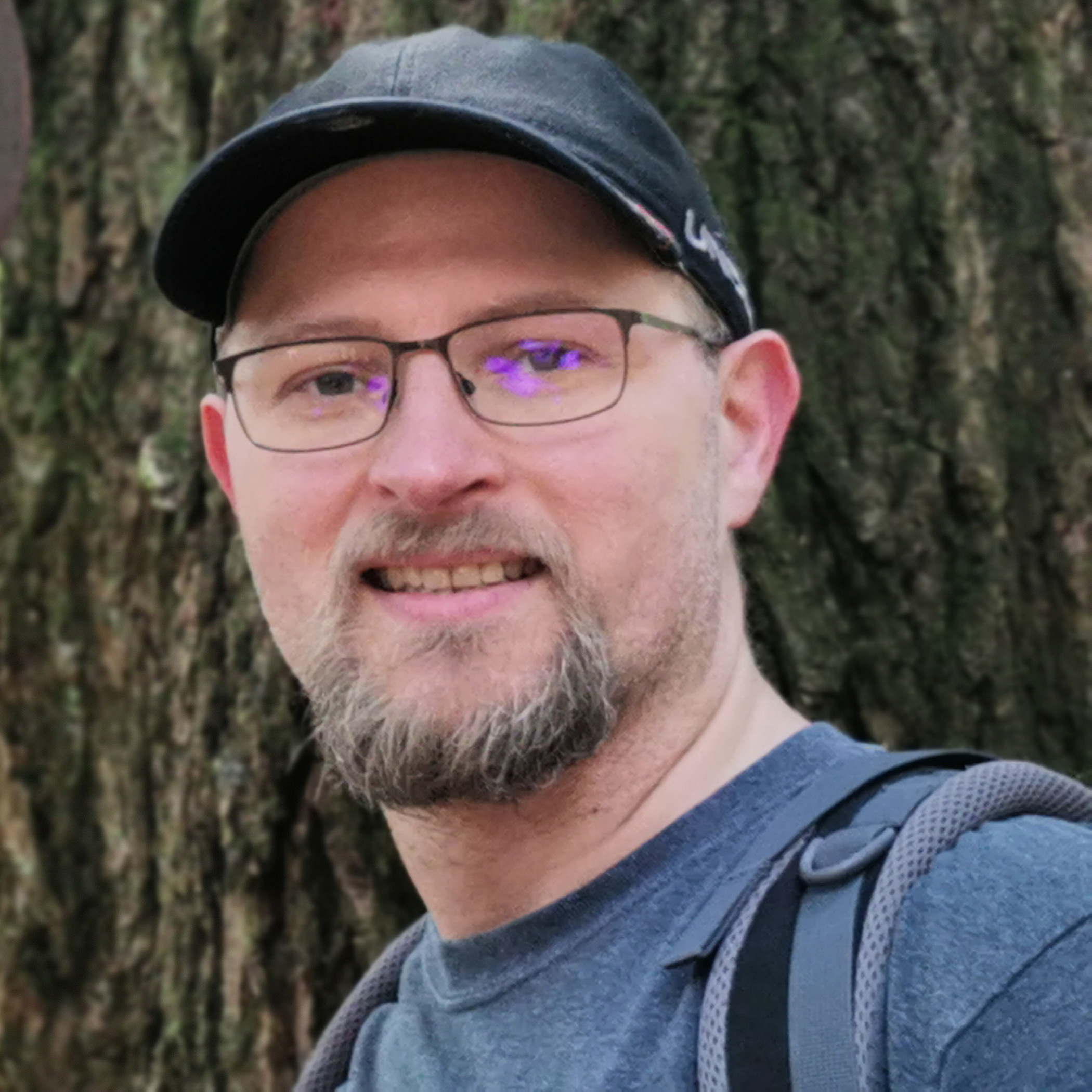
🎙 Does Massage Research Actually Work? (with Bodhi Haraldsson)
Bodhi Haraldsson is a registered massage therapist, researcher, and self-described “pracademic” who has spent over 25 years bridging the gap between clinical practice and scientific inquiry. He joins Whitney on The Thinking Practitioner to talk about one of the most important — and most misunderstood — questions in our profession: what does the research actually tell us about massage therapy?
Bodhi’s journey into research began at McMaster University — the birthplace of evidence-based practice — where he joined the Cochrane Cervical Overview Group and helped author a landmark systematic review on massage for mechanical neck disorders. That review, first published in 2006 and later in Spine, analyzed thousands of studies down to just 14 qualifying trials — and found that most of the evidence was limited or unclear. Nearly 20 years later, a 2024 update reached essentially the same conclusions.
But this isn’t a discouraging story. It’s a call to understand what research can and can’t tell us — and why that matters for every practitioner. Bodhi and Whitney explore why absence of evidence is not evidence of absence, why no single study can capture the complexity of clinical practice, and how evidence-based practice isn’t about recipes or checklists — it’s about better understanding what we do and why.
✨ Topics discussed include: Whitney and Bodhi walk through the Cochrane review process, the state of massage research, and what individual practitioners can take away from the evidence conversation.
• What a “pracademic” is — and why massage needs more of them
• How the Cochrane Cervical Overview Group conducted its systematic review of massage for neck pain
• Starting with thousands of studies and ending with 14 qualifying trials — and why
• Levels of evidence: from strong to limited to unclear
• Why the 2024 update reached essentially the same conclusions as the 2006 original
• The research gap: why massage lags behind physiotherapy and chiropractic in building a cohesive evidence base
• The “lineage model” of massage education vs. academic training
• Mechanical effects, neurological effects, contextual effects — and why we need all the pieces of the puzzle
• Publication bias: why negative findings rarely get published and how trial registries help
• Absence of evidence is not evidence of absence — what that really means for practice
• How research changed Bodhi’s own clinical work: always asking “how and why?”
✨ Resources:
• Cochrane Review — Massage for Mechanical Neck Disorders (2006): https://www.cochranelibrary.com/cdsr/doi/10.1002/14651858.CD004871/full
• Ezzo, Haraldsson et al. — “Massage for Mechanical Neck Disorders: A Systematic Review,” Spine, 2007: https://pubmed.ncbi.nlm.nih.gov/17268268/
• Cochrane Review update — Massage for Neck Pain (2024): https://pubmed.ncbi.nlm.nih.gov/38415786/
• Connect with Bodhi Haraldsson on LinkedIn and Facebook
🌱 Sponsor Offers:
• Jane – Practice management for health and wellness practitioners. Try it free for one month with code THINKING1MO at https://a-t.tv/jane
• ABMP – Save $24 on new membership at https://abmp.com/thinking
• Books of Discovery – Save 15% with code thinking at https://booksofdiscovery.com/
• Advanced-Trainings – Try one month free of the A-T Subscription at https://a-t.tv/subscriptions/ with code thinking
• Academy of Clinical Massage – Grab Whitney’s free Assessment Cheat Sheet at https://academyofclinicalmassage.com/cheatsheet
✨ Watch the video / connect with us:
• YouTube: https://www.youtube.com/@AdvancedTrainings/podcasts
• Til Luchau – https://advanced-trainings.com | https://facebook.com/advancedtrainings | https://instagram.com/til.luchau
📧 Email us: info@thethinkingpractitioner.com
The Thinking Practitioner Podcast is intended for professional practitioners of manual and movement therapies — bodywork, massage therapy, structural integration, physical therapy, osteopathy, and similar professions. It is not medical or treatment advice.
Full Transcript (click me!)
The Thinking Practitioner Podcast:
Episode 166: Does Research Support What We Do? (with Bodhi Haraldsson)
Whitney Lowe
Hello everyone, and we are excited to welcome Jane is a new sponsor of the Thinking Practitioner podcast. If you know us, you know we’re selective about who we partner with. We want sponsors whose values align with ours and who genuinely serve this community, and Jane certainly fits that bill. They are a practice management platform built specifically for health and wellness practitioners, simple enough for solo practitioners, but powerful enough for clinics and groups. What really caught our attention is Jane’s reputation for customer service, real humans available by phone, email or chat, even on Saturdays. That kind of support is increasingly rare and says a lot about the company. If you’re looking to simplify the business side of your practice, check them out a-t.tv/jane and Thinking Practitioner, listeners can get a free first month by entering the code thinking1mo. at checkout. All right, welcome everyone. Glad to have you here on the thinking practitioner. This is Whitney Lowe. We’re glad to have you here today. I’m very pleased to be joined by my colleague Bodhi Harralsson, who has navigated the fascinating and often challenging spaces where clinical practice and experience meets rigorous scientific inquiry. And we’re going to get into some of those fascinating aspects of this a bit. Bodhi’s career began in the high stakes environments from the Sports Association of West Reykjavik in Iceland. I want to hear some more about that too, to the NFLI Rehabilitation Hospital, where he was immersed in complex injury management and also served as a clinical professor and department head at the Canadian Therapeutic College. So Bodhi, welcome to the Thinking Practitioner. Great to have you here.
Bodhi Haraldsson
Thank you for having me. I’m looking forward to this discussion. Yeah.
Whitney Lowe
So we’re going to get into some specifics, mainly about some of the clinical and research work that you’ve done, especially with the Cochrane Collaboration. But I want to kind of back up a little bit. You’ve had some really fascinating sort of entry points into what we’re doing in the massage world here. And you’ve This is an interesting word you had said. You had described your career as pracademic journey. Tell me a little bit about what that is, how you got into doing what you’re doing. What does that? What does that mean? And how does that relate to your work?
Bodhi Haraldsson
Yeah, so pracademic is sort of a term that I found two years back, and not sure where it originated from, but it sort of describes a person that does both research and practices. And in my case, before I started research, I had no university education around research I was I was guided through and taught by mentors that did have that master’s degrees, PhDs, people that were in my group. And so that’s sort of where, why I chose that term is I like that description of how I started that. And my my foray into research was back in 2001 and I was living in Hamilton, Ontario. And Hamilton, Ontario has McMaster University, and sort of the birthplace of evidence based practice Sackett and those guys were stationed there, or worked there at the hospital. And so the group I joined was a called cervical overview group, or it was a part of the crocking collaboration. And they were looking at various manual therapies, exercise therapies for mechanical neck disorders. That’s where I started, and I was mentored through there, mainly by physiotherapist named Anita Gross that taught at the university. Yeah, that’s how I started, and that’s why I like that term.
Whitney Lowe
Yeah, I’m curious to know, because we don’t hear, at least, I haven’t heard a whole lot about the massage world in Iceland. And I’m curious about, like, what was your training like? Is that where you did your initial massage training? Was there before you went to Canada?
Bodhi Haraldsson
No, I trained in Ontario, okay, 1991 Canadian College of Massage and Hydrotherapy. That was the first college, Canadian college of massage therapy started back in the 40s or 50s, and then I worked in Canada for a year or two, and then move back home for a couple of years, and that’s where I was working at those institutions.
Whitney Lowe
Yeah, and you are now out in British Columbia, yeah, right.
Bodhi Haraldsson
You see I move around a lot.
Whitney Lowe
Well, that’s, let’s you get an experience of massage in a lot of different places. So that’s always fascinating. Always fascinating to have those different things. So tell me a little bit more about your I’m curious, from your perspective on this sort of sort of dichotomy that we see sometimes between research and clinical practice, there’s, you know, a lot of people who are deeply immersed in research
only and seem to not really understand, sometimes, how that really translates into clinical practice, and some of the clinical practitioners you know, sometimes, you know, feel like researchers don’t really know what’s going on in the real world. So what’s you know by bridging those two gaps? What’s your sort of experience or view on that transition between those two?
Bodhi Haraldsson
Yeah, research. Needs practitioners to inform what what needs to be researched, how it’s done and the implications for for practitioners, and then vice versa. Practitioners need research to inform their practice and what they do and how they do things. So to me, there needs to be the symbiotic relationship between the two. Without one, it becomes skewed and imbalanced. And so you need the two factors always working together. And from my point of view, when I started with the cervical or via group during the Cochrane Systematic Reviews, it was looking at the clinical implications or clinical applicability of the findings that the research had what We were looking at, so the one of the things that we started doing fairly quickly was looking at, how did they describe the techniques in the papers, and so were they describing just the names and the routines that they had, or were they actually describing how you used your hands, the depth that you had, which parts were You were you on and and what kind of training did the therapist have, etc, etc. So that’s where my clinical experience helped inform the reviews that we were working on. The second one was the type of interventions, or massage interventions, that we were looking at, we initially or decided on that we were going to keep a really broad spectrum of hands on massage therapies and not limit anything outside of what’s considered energy manipulation, energy therapies. And so we had a term or described all soft tissue, hands on approaches that used hand, elbows, forearms and feet, to work on, on on the neck. So we were wanting to catch as many types and many forms of massage as possible. And primarily because we didn’t know, and we still don’t know, which one of them is better than the other and if there is indeed such a thing, which I tend to think there is, not just based on the research and this both in massage and manual therapies, make quite clear. So yeah, so that’s where having a practitioner in a review like that is super important, so you get the practitioner lens on that.
Whitney Lowe
Yeah, I know one of the common critiques that we hear about a lot of massage and manual therapy research is that it has a tendency a lot of times not to reflect the way things are really done in clinical practice. And you know, some of the studies will tend to study things that are relatively easy to measure, but maybe not necessarily the way that people will tend to actually practice when they’re doing these things and combining all different types of techniques and methodologies and things like that. And I’m curious like, what your sort of take is on that now, having looked at this in so much more detail about when you look at something like, you know, the treatment of neck pain, and as you noted, it’s hard to say is there an ideal technique, because one person doing, you know, what we may call, let’s say you know, myofascial release, or whatever one person doing it may. Have a very different outcome than a different person doing it, because it’s so incredibly difficult to standardize the experience of what people will had. So how do you feel? I mean, how do you think that we can best navigate that process in constructing research designs in the future for trying to determine effectiveness?
Bodhi Haraldsson
Yeah, so research, each research paper, can only really answer one question, to be good, solid, have good, solid, reliable outcomes. And so the way I look at research is like it’s one it’s a big puzzle, and you need many different pieces to answer the questions that you have in the clinical environment. And so when there’s a paper that comes out and says, I did x and we had y outcome, that is only one piece of the overall puzzle that we need. So no single trial is going to include all the complexities of the clinical environment. Yeah, but we need you know 20 different papers or 20 different types of pieces fitted together to inform what our clinical decisions are based on Yeah, and that’s one of the things that drives me nuts, is when I see one paper come out and people cling on that, and that’s like, Oh, this is the answer, or, you know, this is going to help us, or, you know, this is it didn’t, didn’t say anything that we wanted to say. So it’s a bad paper, but it’s, it’s all pieces of the puzzle. Yeah, and you’re right. You know, a good research paper has to be fairly focused to get statistical strength and power enough to be able to say that it’s what it’s looking at is most likely true. Yeah, and
Whitney Lowe
we’re going to get into this in a bit more detail as we talk a little bit more about your work with the Cochrane Collaboration. But for those people, we have a lot of folks listening to the podcast who, again, have been trained in massage school but never had academic training, traditional academic training, understanding and sort of, you know, digesting and consuming research to sort of recognize this, can you just kind of give us a real quick run through of the importance of different levels of evidence, like, why is one research paper that maybe is a subjective report, maybe not as valid as something like a systematic review? And what that is,
Bodhi Haraldsson
yeah, so a systematic view what it does, it looks at or has a question. So you have to have, just like with research papers, like an individual primary research, you need to have a fairly focused question. So in the case of what we were doing is massage effective for mechanical neck disorders and and then you have to sort of focus on the type of papers that are going to be included in that. And then, as far as you know, you want to throw a white net to catch as many papers into it, and then you bring that all together, and you synthesize that information. And so you’re, rather than just looking at one or two papers that are supportive or one or two papers that are not supportive, or or, you know, those kind of debates that are happening, you’re looking at the entire literature around that question that you have, and then you you look at the validity of each of those papers and or reliability of each of those papers. And so you had tend to have levels of evidence from strong, moderate, limited, unclear and no evidence. So those are sort of the five major levels that we tend to work with. So let’s say a strong level of evidence is consistent findings and multiple high quality randomized control trials, whereas Limited is like a single low quality RCT. And so the more, the stronger the RCTs, the higher, the more replication you’ve had, the higher the level and levels of evidence becomes, because it becomes more reliable, meaning that it’s less of a chance that it’s going to be proven wrong, yeah, or shown to be not true. So in massage therapy, the literature review that we did, we had most of the papers were, were limited to unclear, yeah.
Whitney Lowe
Well, yeah, if you will talk about that for a moment again. Actually, before we get there, if you will, I want, I’d like you to sort of talk a little bit about the whole Cochrane Collaboration and the process there, because a lot of folks don’t know what that is. So maybe share with us a little bit about what is a Cochrane Review, what is the collaboration about? And then we’ll get into some of the specifics of that one particular Cochrane review that you all did on the neck pain. So give us a sort of the comprehensive overview what that whole system is about. Yeah.
Bodhi Haraldsson
So Cochrane Reviews came from a challenge from a medical doctor named Archie Cochrane around when the evidence based practice movement started in the late 80s, early 90s, and the challenge was to exactly what I was saying earlier, is that we need to synthesize the evidence that we have so we know where we stand. We know what level of evidence and what reliability validity that we have in the research are looking at. And so this collaboration group started to look at, how do we, how do we collect the do these reviews? How do we methodologically do them so they’re strong and valid themselves? Because just like original research or primary research, you need to have validity in your systems, in your methodology and and so the Cochrane Review develop systematic review guidelines about how you you do it, the steps you take, how You look at at the information within the papers and the biases and issues that are coming up, statistical knowledge that comes out of them. How do you how do you interpret that? And you have to do it all very clearly. And in the hacker review, you have to publish your before. Before you start, you have to actually publish how you’re going to do it. Yeah, you have to put that down on paper. So when you go through with it, you can actually follow it and say, okay, yeah, they actually did what they said they were going to do. And, and that methodology can be critiqued prior to not just by your team, but by other teams, and, and so then you get into doing your systematic review, and that’s how validity and reliability becomes much stronger. And so the Cochrane review right now, Cochrane Collaboration, they do intervention reviews, so that’s what I did, and then they have diagnostic accuracy reviews, and they also have prognostic reviews for different conditions, and so they’re sort of very clinically directed, clinically oriented as far as what they’re what they look at when then you have other groups such as JBI or Joanna Briggs Institute, which is a much they throw a much wider net of different types of reviews. So systematic review is only one type. You know, you can have narrative reviews. You can have reviews that look at textual evidence, which is evidence that has does not come from research. So it’s, that’s your textbooks, your your the knowledge that we have. So there’s, there’s other types of reviews out there, mixed, mixed methods, qualitative reviews, quantitative reviews. Quantitative reviews is what the Cochrane Review Group is all about. So, yeah, it’s been, it’s a large world. Yeah.
Whitney Lowe
And just to get sort of a grasp of the numbers you if you can recall, because I didn’t note that you had mentioned something about this, that the number of studies that you all started with when you were doing this Cochrane review on neck pain, massage for neck pain, the number of studies that you started with, a number that you actually ended up including in the review was very, very different. What were those? What were those numbers?
Whitney Lowe
So clearly, a lot of calling out of things that just didn’t sort of meet that, that rigorous criteria for what you’re trying to to identify, right? I’m curious now too. I mean, this has been one again. This came out in 2007 is that right?
Bodhi Haraldsson
So we ended up with, if I remember correctly, 14 trials that that we analyzed out of 1000s. And so the reason for that is when you when you start your search, you you put your major terms that you’re looking for, like massage, and then we had various definitions or terminal. View that we used under the heading of massage, mechanical neck disorders or neck pain, and then an RCT. So you would put those into a search field, or Boolean search, and you would look for all the papers that come up with that. And then you have to look at, do they fit the question that we’re asking, and so are they an actual RC randomized control trial, or RCT? What were their randomization mechanisms? Did they look at mechanical neck disorders, and we defined that as neck disorders that were not related to pathologies or fractures, neck disorders of headaches, neck disorders with radicular symptoms, Whiplash associated disorders and degenerative disc disease. So those were included population. Then we looked at the interventions. Did they fit the interventions that we wanted and and lastly, the outcomes, did they fit the outcomes that we were looking at? We looked at pain function and pain patient satisfaction. And so once you whittled all of that down, we ended up with a number correctly. Yeah.
Bodhi Haraldsson
So this is in 2006 and 7. ,
Whitney Lowe
2006 and 7. So that was came out as the Cochrane Review, and then was later published in the journal spine. Is that correct? Yes, yeah. So this has been now almost 20 years since that was done. I’m curious for your take on like, what do you think we have learned as a field, both practitioners and researchers in that time about how to best attempt to evaluate the effectiveness of massage and manual therapy, because it seems so difficult to measure. I mean, like we’ve said, you know one person doing I mean, you can just name a particular type of very simple technique, but it seems that the practitioner performing it seems to have a whole lot to do with whether or not that is as effective as it might be between two different people. So what have we learned about how to construct more effective research in those last couple of decades.
Bodhi Haraldsson
Well, we learned plots. The question is, have we applied it? Yeah, and that’s, that’s the biggest question. And interestingly, the group that I published with, you know, the cervical review group, has published another review back in 2020 24 and essentially the same conclusions. And that’s 20 years, almost 20 years difference. And so that’s that is a problem, yeah, and that is a problem that shows that as a field, we really don’t have a good direction and cohesiveness around our research activities and and sort of the research agenda that is out there. Now, I know the MPF and the Massage Foundation has has published research agendas, but that is only one organization. All the organizations would need to accept that worked with it and promote it and work to improve the research generation in our field. The other problem is, massage is not just done by massage therapist, and you know the around the world, it’s done by various different professionals in various different ways. You know, they’re they’re in their in their institutions, or in their professions, in their countries, and they often repeat the same mistakes that have been pointed out many, many, many times before. And and that is the the biggest issue manual therapy, or manipulative therapies, as done by chiros and physios, generally osteopaths,
they’ve done a lot better job of of coming, sort of coming together and putting out statements about improving. Doing research and what needs to be improved, and the definitions, etc, etc, there’s a lot more activity around that, and cohesiveness around that, even though you know the parallel physio manipulations tend to clash on the clinical level or professional level, sometimes the researchers tend to work
Whitney Lowe
better together. Yeah, I have often, you know, pondered about this of just, you know, the fact that we don’t really, in the massage world, don’t really emerge from an academic training environment to the same degree that those other manual therapy professions do, there’s a whole lot more rigorous academic base to their work. And as many of us have noted over the years, a lot of massage education has really evolved out of sort of a lineage model of education of you know, like this person taught that person, and that person taught their person, and they started a school, and everybody you know goes back to the primary authority being the person who started the school, as opposed to, you know, a comprehensive research base. And I it seems like that, that lack of an academic background means that there’s not as many people in our field who understand or the process of constructing research nor applying it to those degrees, so it makes it a whole lot harder for
Bodhi Haraldsson
us to perform that It sure does.
Whitney Lowe
You had also mentioned, you know, some of the difficulties that we have of, you know, this sort of silo mentality. And, you know, I think what you were noting too, that there’s so many different ways that massage is done by so many different professions, you know, and there’s not, it’s not like you can just say there’s a there’s a single way it is applied. But much of the stuff that we’ve seen in the last several years, especially, a lot of the stuff coming out about the psychosocial impacts and effects of the client therapist relationship and that interaction process being so critical to what happens with outcomes here. How do we how do we measure that kind of thing? Any do you think we’ve gotten any closer to capabilities of finding more beneficial ways to to demonstrate the effectiveness and measure the effectiveness of massage in any of these environments?
Bodhi Haraldsson
Yeah, that’s a complex question. Multi, multi answers to that, to the question. So can we measure that? Yes, we can. There’s been a lot of work around the contextual effects of of therapies, and not just manual therapies or massage therapies, but the various and human interaction with another human really, and and so there are ways to study that in the clinical environment. There are ways to study the patient preferences in the clinical environment. There are questionnaires for that. There are, you know, ways to piece that out. And so you can, we can absolutely do that and and we need to acknowledge in the mechanistic or the mechanism discussions and research that we, that we do or are done on massage, that component absolutely has to be recognized and included. You can’t do that in every single study, you know, like I said before, you have to have do multiple different types of settings to figure all that out. But that discussion absolutely has to be in there, because, you know, we have mechanical effects on the tissues, and that’s been shown. We have neurological effects. We have effect on the brain. I actually, I just posted yesterday on Facebook about the review that was done on on massage and it affects on the brain and how it induces relaxation, reduces pain, and can actually change, help change the brain’s reaction to that. So looking at again, we need to look at all the literature, all the papers that are out there on the contextual effects in the clinical environment, the patient believes the mechanical effects. And then there’s a lot of really good research now on just the effects of touch on on the person. Yeah, and, and, and so. So all the debates about what are we doing mechanically to the person it needs to be more of a holistic approach to how we view what we do. Yeah, and when I came out of school back in 1993 you know, we all the only massage therapy textbook that we had was a book called tidys massage and rehabilitation. And that was an old physiotherapy book from like, 1960s Yeah. And you know, the that this is what we were taught, you know, you increase blood flow, you you friction, you know, came from the SI reacts, groups, you the adhesion component thing didn’t, had didn’t, hadn’t come about At that point, we were taught about trigger points, and that was, that was about it, yeah, yeah, as far as what we did or what we thought we did right, and so we’ve come a long way. The research is there. The main issue is, is, is uptake and acceptance at right point? Really? Yeah, I
Whitney Lowe
want to look at that aspect of a set of acceptance a little bit further, because, you know, as as many massage practitioners attempt to work in greater collaboration with other health care professionals, be it in, you know, physiotherapy clinics or with chiropractors or whoever other health care professionals are they’re often asked, you know, what is sort of like the the research evidence about massage and effectiveness, or does it just, you know, pamper people and make them feel good? And one of the challenges of things that you noted is that, you know, a lot of the research studies have not been able to provide a really good, strong research base of evidence for why those things happen. But you also noted a particularly important thing about the absence of evidence does not equal evidence of absence. And can you explain that a little bit in terms of, you know, how we interpret that, and what does that mean, as we’re talking to other healthcare professionals. Yeah.
Bodhi Haraldsson
So just to back up a little bit, you sort of mentioned, when we’re working with other health professionals and we’re asked how things work, we actually have a fairly decent understanding of how massage therapy works, or multiple ways that it could work affect the patient actually, let me rephrase it that way, what we are needing more of is effectiveness research that shows that these ways that we potentially could affect the person in front of us on Our table has a clinical relevant effect on on that person, so it has enough impact that actually changes what’s happened. And so we have the mechanistic, or mechanical, or, yeah, let’s say mechanistic of research, and then we have effectiveness research. And so those are not the same thing and are quite are both needed and quite different. And so we need more of the effectiveness research to be integrated better into larger healthcare teams and to be accepted into the larger healthcare teams. And that’s actually how one of the reasons I became really interested in research was my work with at the rehab hospital in Iceland, working with doctors, working with physios, working with OTS. There was a lot of discussions, a lot of back and forth, why should this person get a massage therapy? And why should you not? And that really got my got my brain going on that. And I started going to University Hospital library, digging up as what I could that was, that was my initial exposure to that. And so that is where massage therapy needs to focus on and to be integrated into the fields. Now as far as evidence of absence is not evidence of no effect is absolutely true. So just because we we can’t find evidence to support what we’re doing doesn’t mean that what we’re doing is is not effective. It just that we can’t. Show that because the individual clinical interactions with with patients, you have a lot of different reasons why that patient may be getting better in your care. One of them is it could be just they would have naturally be gotten, gotten better at that point. Yeah, most people tend to seek help when they’re when their pain or their injury is at its peak, and then, you know, if you think of a bell curve, you know, they’re at the top and they’re going to be going downwards anyway, yeah. And so that’s one of the big things that we need to be aware of as clinicians. Just because we see these effects in the clinic doesn’t mean that they’re necessarily happening for the reasons we think they’re happening.
Whitney Lowe
Yeah, couple of research things I just want to touch base with you about also, you know, the you know, mentioning that they the evidence that you found through the Cochrane review and the other methodologies that we’ve explored and looked at over the years have not given us a really strong base of good evidence of what we’re doing, of the effectiveness of what we’re doing, but as you noted, it is also important that it all it has not also demonstrated that it is not effective, and there is another step in that process which shows that this is actually not effective. But I want to talk for just a second about and get your take on this, about research publication bias, because this is another thing that I think we’ve run across in a number of different fields, which is that it’s a whole lot harder to get an article published in a journal that shows negative results than it is to get one published that shows positive results. So that seems to generate an inherent sort of bias in the literature about determining what is actually ineffective. What’s your take on that? And also, do you think that maybe some of that might be shifting and changing now, because the capability to publish articles, for example, in open source journals on the web and other places where they don’t have to rely on on acceptance into print journals might make some of those kinds of things a little bit more accessible?
Bodhi Haraldsson
Yeah, no, publication bias is always been, been an issue, and definitely is worth noting. And does that affect the quality of the research out there? Yes, you know, there’s been studies that have looked at you know that the negative papers are generally not published because it’s not a big enough splash. You know, people are not attracted to read it if it’s negative, etc. So that is their way to work around that, and the best avenue that we have right now to work around that is, is that researchers have to pre publish their methodology prior to doing it. So just like Cochrane Review did, that we have to publish our methodology for our systematic review before we we do it same with with primary research papers, is and there are repositories or or or organizations that where you can register your trial prior To where you say exactly what you’re going to do, and how are you going to do it. And that’s one of the reasons, or one of the ways we’ve, we’ve been able to look at this publication bias, is we look at those registries and say, Okay, how many of these actually published what they said they were going to do, or just published at all, yeah, or did they just drop it right? And so that is the best way to to fight that issue. And then, you know the other one is, is, like you said, yeah, there are lots of journals now where you can publish and that are not the high index journals side will reject anything that is not sexy for for their readers. So, you know, that’s that’s a great thing, yet at the same time, it creates other issues. Yeah, the other issues is paper mills. You know, paper, starting up a journal, putting together an editorial board, and then just pushing through anything you want to for, sometimes for a fee, large fee, right? Or, you know, you and your buddies, this is what you want to do. Yeah. And so that has issues too, and this is actually where systematic reviews come into play, is that they by looking at everything that’s out there, and the method, methodology that they look, that they used, and did they pre register their trials and their biases? Yeah. This is the beauty of the systematic reviews, is that it looks at all that it tells us all those things, right? And so, yes, publication bias an issue. Yes, there are solutions. Yes, there are problems. And I think systematic reviews are one of the solutions.
Whitney Lowe
Yeah, I was thinking, as you mentioned this too, that we did an episode here on thinking practitioner a couple weeks practitioner a couple of weeks ago about AI and its influence in the massage world. And I do remember hearing this. This was shortly after ChatGPT had first come out in November of ’22 about some article that got published in the in a medical journal. And I guess that somehow or other, it got past the editorial review process. It even said in this, in the the text of the article, regenerate response, and it would clearly, the whole article clearly had been written by ChatGBT, and they had not even taken out, you know, there was little pieces of threads in there. So I’m sure that has influenced a lot of what you know is, is harder to scrutinize, to with some of the the publications and things that come out these days.
Bodhi Haraldsson
Oh, absolutely. And, you know, it’s, it’s the old adage, you know, anything humans touch, right? There’s gonna be a problem. You know, whether that is the whether that’s in the clinic room, whether that is in the journal, whether that is in, you know, any other endeavors that humans do, there’s going to be problems. There’s going to be biases. Yeah, there’s going to be issues and and I think the main thing is, with all of this, is we need to recognize the biases, recognize the problem, both within ourselves and in the larger community.
Whitney Lowe
Yeah. So as we kind of wrap up here, I want to, I kind of want to take this back to personal level for just a moment, because a lot of people have a difficult time kind of getting like, Why does all this matter to me and my practice and everything like that. And for you as a clinician and researcher, somebody who’s really been deeply enmeshed in both of those, I’m curious to hear, how did that experience of your diving incredibly deep into the whole research analysis process and then the writing and the process of putting together that kind of thing, how has that changed the way you would potentially work with clients, or the actual day to day practice activities. In what way has that kind of shifted or changed anything for you?
Bodhi Haraldsson
Yeah, oh, has it affected me? It’s been, it’s been, what, 25 years now, since I sort of started that journey. And the questions that I always ask is, how and why? You know that is, that is the tip of, tip of my tongue all the time is when I’m working with a patient. How am I affecting them, and why am I affecting them? And then, you know, we sort of, you can go back to the what we discussed earlier, about the various processes that are needed, and being humble to what you see in the clinic room celebrating the successes and celebrating the failures, and learning from them, and being able to look at the research that is out there and saying, Okay, what did I do that that is different from it? Why is what I’m doing, showing different results, and looking at that the entire gamut of what we talked about with mechanisms and effectiveness and being able to apply that in the clinic room, and this is one of the reasons why I’ve become have been huge promoter, promoter of evidence based practice. And it’s because of the tools that it gives you, yeah, and the tools that I’m using in my clinical the tools of understanding research and how it applies in my in my office, and vice versa. And that’s really where evidence based practices. It’s not about recipes, it’s not about following checklists. It’s not about limiting what you do. It’s understanding, having a better understanding of the levels of evidence that you have, that you’re working with, the type of papers that you’re working with. You. And how that meshes with the patient in the clinic room. Yeah, so it’s a it. The journey has strengthened my resolve and belief in that evidence based practice is really where what we need as a profession, because it doesn’t limit us, it doesn’t exclude anything. It just helps us understand.
Whitney Lowe
Yeah, so I think, you know, we we’ve got a long way to go in those directions, but I’m so appreciative of the work that you’ve done, and you and your colleagues have done over the years of trying to bring this to the attention of a lot of massage practitioners, because, like we said, so many of the folks in our world don’t really have a strong background in reading and analyzing and looking at these things, and it really is helpful to have people doing quality work here that can help sort of bring it to the the table for everybody else to kind of understand and recognize how that can benefit them. So thank you from all of us for the wonderful work that you did on that process.
Bodhi Haraldsson
Welcome, and it’s my pleasure. I love doing it right.
Whitney Lowe
Good buddy, if people wanted to connect with you, ask questions or anything like that, how would they reach out and connect with you?
Bodhi Haraldsson
Well, the two main social media that I use is Facebook and LinkedIn. So you just search my name, Bodie haraldson, B, O, D, H, I haroldson with 2s because I’m Icelandic and yeah, so you’ll find me there.
Whitney Lowe
All right, that sounds good. Well, thanks again, so much for joining us here on the thinking practitioner day, and we’ll continue along the way with this fascinating research journey in the future. I hope.
Bodhi Haraldsson
Thank you for having me, and I really enjoyed it,
Whitney Lowe
great, good. And thanks everyone else for joining us here. And note, we also like to thank Books of Discovery, who has been a part of the massage therapy and body work world for over 25 years. Nearly 3000 schools around the globe teach with their textbooks, e textbooks and digital resources, and we know books of discovery likes to say that Learning Adventures start here, and they find that same spirit here on the Thinking Practitioner podcast, and are proud to support our work, knowing that we share the mission to bring the massage and bodywork community thought provoking and enlivening content that advances our profession. Instructors of manual therapy education programs can request complimentary copies of Books of Discovery’s, textbooks to review for use in their programs. Listeners can explore their collection of learning resources for anatomy, pathology, kinesiology, physiology, ethics and business mastery at booksofdiscovery.com where you as a Thinking Practitioner listener can save 15% by entering “thinking” at checkout. And again, we would like to say thanks to all of our listeners and to our sponsors. You can stop by our sites for the video, show notes, transcripts and any extras. You can find that over on my site at AcademyofClinicalmassage.com and over on Til’s site at Advanced-Trainings.com. Til is still out of the country and will be joining us again here shortly. We want to hear from you with any ideas that you have or input about the show. So email us at info@thethinkingpractitioner.com, or look for us on social media and YouTube. I am at Whitney Lowe – my name, and you can find Til under his name Til Luchau, also on social media channels there as well. We really appreciate it if you would rate us on Spotify or Apple podcast, as it does help other people find the show. So please take a few seconds to do that. Thanks again, as always, for listening and sharing, and we hope to see you again in the next episode.
Huge thanks to our founding sponsors:

Live Workshop Schedule
Stay Up to Date
…with the Latest Episode, News & Updates
Get our free Techniques e-Letter
You’ll occasionally receive the latest schedule updates, tips, secrets, offers, resources, and more. Check out our ironclad privacy and SMS policies. You can unsubscribe/stop at any time.
This Month’s Free Online Course
Our gift to you. Includes CE, Certificate, and Extras.
Follow Us
Join us on FaceBook, Instagram, Twitter and YouTube for information, resources, videos, and upcoming courses!
0 Comments