
The Thinking Practitioner Podcast
w/ Til Luchau & Whitney Lowe
Episode 169: Exploring Anterior Neck Work (with Walt Fritz)
Transcript | Subscribe | Comments | ⭑⭑⭑⭑⭑
Or, listen and subscribe on Apple Podcasts, Spotify, wherever you get your podcasts!
🎁 Scroll down for the full video and transcript!
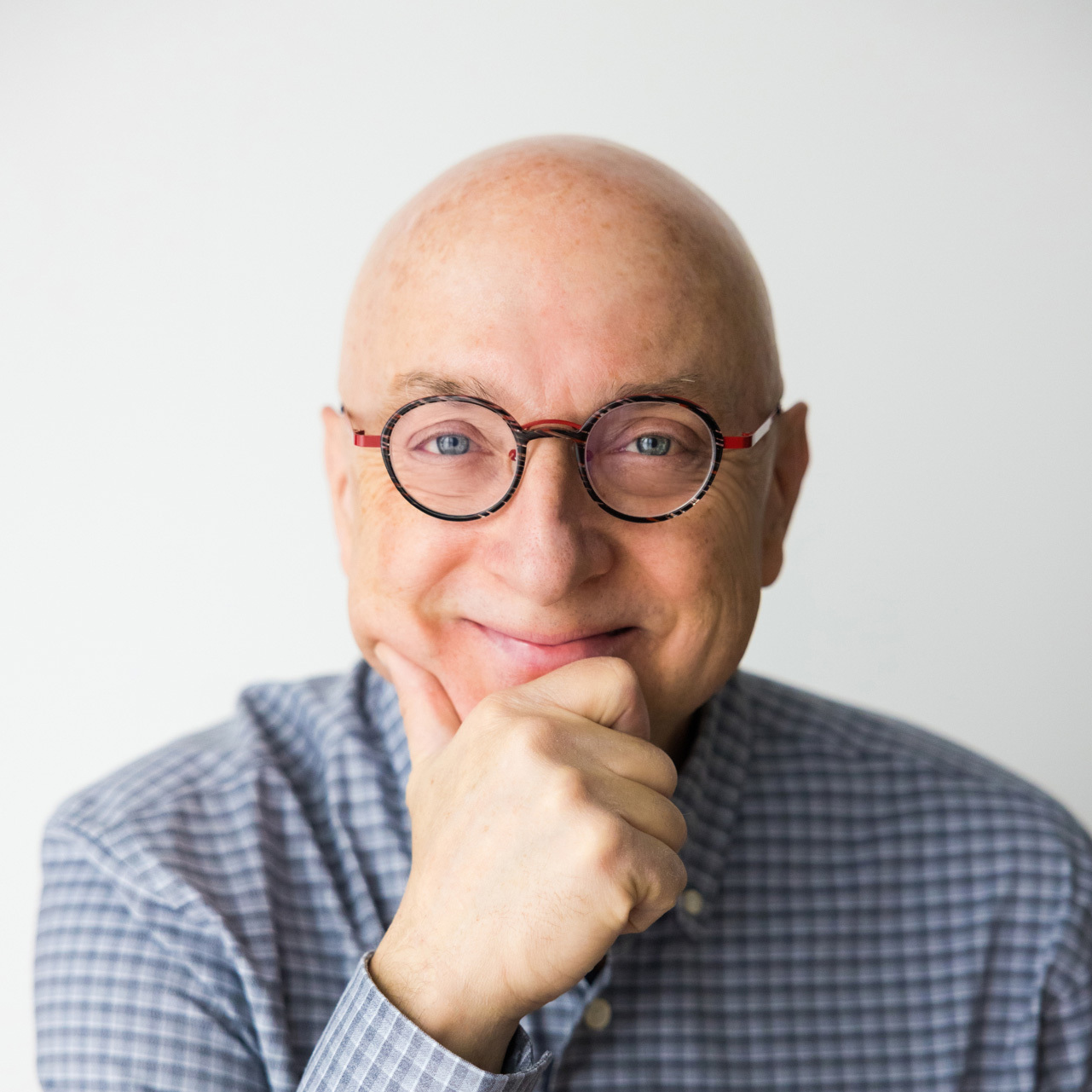
Walt Fritz is a physical therapist who has been in practice since 1985 and has spent the last 30 years evolving from a traditional myofascial release (MFR) background into a collaborative, patient-led approach to manual therapy. He returns to The Thinking Practitioner to talk to Whitney about one of the most intimidating regions for manual therapists: the anterior neck.
Walt shares his transition from the “clinician-as-expert” model to one rooted in shared decision-making, where the patient’s input on pressure, direction, and duration isn’t just welcomed—it’s the primary driver of the intervention. They discuss the “metatherapy” of the therapeutic relationship, the physiological realities of treating deep neck structures, and how to safely navigate the “danger triangle” of the throat to help patients with voice and swallowing disorders.
✨ Topics discussed include:
- Walt’s “Counter-Culture” Evolution: Moving from the myofascial release “rabbit hole” to a more generalized, neurocentric manual therapy model.
- The Clinician-as-Expert vs. Shared Decision-Making: Why we should stop pretending we know exactly what a patient is feeling.
- Metatherapy & Carl Rogers: How the relationship and context of the treatment can be as important (or more so) than the technique itself.
- Navigating the Anterior Neck: Understanding the anatomy of the “danger triangle,” including the carotid sheath, jugular vein, and vagus nerve.
- Treatment for Voice and Swallowing: How manual therapy can assist with dysphagia (swallowing disorders) and globus pharyngeus (the sensation of a lump in the throat).
- The “Emergency Exit Strategy”: Empowering patients with the ability to stop or modify treatment at any second to ensure safety and comfort.
- Platysma: The Forgotten Muscle: Why superficial structures deserve more love in our clinical assessments.
- The Problem with High-Force Interventions: A critique of aggressive MFR techniques and the importance of patient-led pressure.
✨ Resources:
- Walt Fritz’s Website: WaltFritz.com
- Leah Helou (University of Pittsburgh): Research on “Metatherapy”
- Carl Rogers (1957): Landmark paper on the necessary and sufficient conditions of therapeutic change
- Freedom to Learn: Book by Carl Rogers
- Harry von Piekartz: Research and texts on craniofacial pain
- Cochrane Review: Massage for Mechanical Neck Disorders
- Walt’s Google Drive folder with key papers
🌱 Sponsor Offers:
- Deep Roots Massage & Bodywork: Save 10% on upcoming classes in Keene, NH, with code THINKING at deeprootsmb.com
- Jane App — Practice management built for health and wellness practitioners. Thinking Practitioner listeners get a free first month; enter code THINKING1MO at checkout: https://a-t.tv/jane
- ABMP — Associated Bodywork & Massage Professionals. Thinking Practitioner listeners save at https://www.abmp.com/thinking
- Books of Discovery — Explore their collection at https://www.booksofdiscovery.com and save 15% with code thinking
- Academy of Clinical Massage — Grab Whitney’s free Assessment Cheat Sheet at academyofclinicalmassage.com/cheatsheet
- Advanced-Trainings — Try one month free of Til Luchau’s A-T Subscription with code thinking: https://a-t.tv/subscriptions/
✨ Watch the video / connect with us:
- YouTube: The Thinking Practitioner Playlist
- Til Luchau: Advanced-Trainings.com | Instagram
📧 Email us: info@thethinkingpractitioner.com
The Thinking Practitioner Podcast is intended for professional practitioners of manual and movement therapies — bodywork, massage therapy, structural integration, physical therapy, osteopathy, and similar professions. It is not medical or treatment advice.


Full Transcript (click me!)
The Thinking Practitioner Podcast:
Episode 169: Exploring Anterior Neck Work (with Walt Fritz)
Whitney Lowe
Welcome to the Thinking Practitioner
Til Luchau
A podcast where we dig into the fascinating issues, conditions and quandaries in the massage and manual therapy world
Whitney Lowe
I’m Whitney Lowe
Til Luchau
and I’m Til Luchau.
Whitney Lowe
Hello everyone, and welcome to the Thinking Practitioner podcast, which is proudly supported by ABMP, the Associated Bodywork and Massage Professionals, the premier association for dedicated massage and bodywork practitioners like you. When you join ABMP, you’re not just getting industry leading liability insurance, you’re getting practical resources designed to support your career, from free top tier continuing education and quick reference apps like Pocket Pathology and Five Minute Muscles. ABMP equips you with the tools you need to be successful in your practice. ABMP is committed to elevating the profession with expert voices, fresh perspectives and invaluable insights through their CE courses, the ABMP Podcast and Massage and Bodywork Magazine, which does feature industry leaders like my co host Til and myself. So Thinking Practitioner listeners like you can get exclusive savings on ABMP at https://membership@abmp.com/thinking. So join the best and expect more from your professional association. Welcome everyone to thinking practitioner, super delighted and excited here to have my colleague and friend, Walt Fritz, joining us again today. Walt, welcome back to the Thinking Practitioners. You’ve been with us before. It’s great to have you back.
Walt Fritz
Yeah, thanks for having me. We met in person. What like a decade ago when we were co presenting at a class up in Winnipeg.
Whitney Lowe
I think, I think that’s right, yep, yep, yeah. So, yeah, so a long time, yeah, indeed. We had some interesting discussions with you last time, but I wanted to bring you back on again to dive deep into a topic that is, I know your specialty area, and something that there’s, I think, a pretty fair amount of uncertainty, fear, confusion and sort of challenges for people, and that is, in particular, anterior neck work, and working in this, this part of the body, which doesn’t get a whole lot of attention, but it is something that I know you have specialized in quite a bit. So for those folks who might not be as familiar with your work, tell us a little bit about your background and sort of like the kind of work that you’re doing.
Walt Fritz
Sure absolutely, I’m a physical therapist. Been one since 1985 holy cow, it’s a long time. And you know, I kind of got my feet wet, well, certainly in manual therapy at college, but in the very early 90s, I kind of went down the the myofascial release rabbit hole. And, you know, I really learned a lot from that. I learned a lot about about hands on work. I learned a lot about patient interaction. I also learned a lot about how to sort of run a seminar which which helped me later, later in life, you might say. And I, you know, for the last 30 years, I’ve been educate an educator at varying levels, first working for the John Barnes, the person who taught me this work, and then branching off on my own. I started, you know, sort of with a Myofascial release light version. When I started teaching this work, one might say, you know, there were a lot of parallels with how I learned this work and how others learned this work, but maybe without some of the things that really bothered me about that work, but over time, over education, over experience, as well as some pressure from a lot of my online colleagues who were trying to kick my butt to sort of leave that Myofascial release narrative behind. I finally did. And we just sort of, you know, generalize the name of my work to manual therapy instead of myofascial release, which, you know, manual therapy includes massage, includes myofascial release, trigger point, blah, blah, blah, everything else. Wasn’t until 2013 I totally because I have a big mouth on the internet. And I was talking about some some sort of comorbidities I was seeing with my patients. We’re working with the anterior cervical region, you know, on the front of the the transverse processes. It was something I learned back in the early to mid 90s. And with patients on my table, I they were starting to tell me things that I hadn’t learned before I hadn’t really paid much attention to before. Gosh, you know, whatever you just did that sort of replicates that feeling I get when, when I have a hard time getting a vitamin C capsule down, or a piece of white meat, chicken, those sorts of things, and some other, you know, unrelated complaints that I wasn’t used to as a physical therapist, so I started talking about that on the internet, and that got me an invitation to teach a one of class in 2013 I was invited, along with a physician from New York City, to teach a class for speech pathologist on manual therapy and myofascialis. And what it did Whitney, was really open the door for me. It opened the door for not just to see a new potential market, but also for a lot of personal growth. You know, through that process, I basically was able to pursue a master’s degree during covid, putting my entire curriculum under the academic lens, got a research paper published on the. Work that I use in my I guess I would call it my counterculture approach to mechanisms of actions, etc, etc. And I think now that’s what kind of makes me, makes me get up every morning. I really, I’m 66 now, and I feel like I’m I’m just starting another career, which is not a bad place to be right now.
Whitney Lowe
Yeah, I want to dive into that just a little bit more. I want to hear more about your counterculture approach before we get into talking about the anterior neck and, sort of your philosophical change around your work. Can you give us, maybe, like, a nutshell, capsule of that.
Walt Fritz
Absolutely, which means you want me to shorten it, right? Okay, I got your I would imagine it’s probably a bit more convoluted. And I, you know, I could, kind of, I can abbreviate it. I think everything that you and I basically are taught, and maybe that we teach, in a way, is elevating the therapist to be the clinician. Expert. Clinician is expert model is, sort of the biomedical model of people come to us because we are, we have an expertise in what we do, and you know what it works. That’s what all the evidence has been up for. You know, for the past decades and decades, that clinical expertise model. But I think there’s something missing when, the higher we go in training, the more I believe we have a tendency to sort of dismiss what the patient says, especially when it doesn’t align with our beliefs, right? People come in and say, you know, all sorts of things that weren’t in my training, and I don’t, I don’t believe them, and I think there’s a dismissive quality that we can have. And it’s not only that, no matter how much I know, I can never know what another person is feeling or fearing or hoping for. And I take a look at the evidence based model. There’s three basic tenets of the evidence based model, right? The research, the clinicians experience applying that research in that last circle, patient preferences and values. And I really struggle in professions that are sort of under that requirement of working from the evidence based model. I really struggle, especially in manual therapy engagements, to say, how is that given equal weighting with everything else? And I threw a lot of fumbling around. And finally, some really good research supports have come up with a shared decision making model where I recognize that I do know a lot, but my knowledge ends where the patients begin. And so my entire model is about elevating the patient’s input, things like how much pressure, things like how long to stay, what direction to go to, you know, all the things that we’re supposed to know what to do and how to do them, I try to get my patient to contribute.
Whitney Lowe
Yeah, critically important, I think. And I’m just curious too, this has been an issue or challenge, I think for many of us in the manual therapy world that over, especially if you’ve been around for a few decades, a lot of the stuff that we were taught early on has not held up so well to some of the research methodologies and the new things that have come out about the way things do work physiologically. So it sounds like you’ve, you’ve found a good way to navigate that, that shift or change, because I know it’s it’s a little difficult for some of us. I struggled with it a good bit. You know, when some of the newer information has continued to come out over the years is that really ran counter to the way I was taught to do things like it really requires a kind of a shift in mindset and a shift in framework. But it sounds like you found a good strategy for doing that.
Walt Fritz
There’s a and I hope you don’t mind me quoting some research here, because I think it’s salient to the things that we’re talking about here. There’s a PhD, SLP speech pathologist out of the University of Pittsburgh named Leah Halloo, who, I’ll say, gifted me an understanding of my work when we were talking on a zoom conference once, and she has created this concept of meta therapy. Meta therapy is basically the therapy is the technique that we use that we think is the instrument, instrument of change. But what she describes in a meta therapy model is it’s the it’s the context that we present that technique. It’s how we wrap it, how we envelop how we speak on it, how we react to it that. Well, I don’t want to overstate what she was saying, but in her words, can be as equal in terms of importance, and possibly even more importance than than the actual technique. And that’s what I’ve really taken to heart in my work. People come to my class thinking, Oh, I’m going to learn some nifty hands on skills, which, of course, they do, but I really challenge them in terms of applying those techniques from a shared decision making perspective, very strongly neurocentric driven, without necessarily being from pain science perspective, because I’m dealing with more a different set of conditions than traditional pain.
Whitney Lowe
Yeah, and we certainly have learned that that context is is critically important. And perhaps, you know, the, as you noted, maybe even the most important part of the therapeutic relationship there, in terms of making that happen. So the technique matters, but how, and the way in which you do that, and the way in which you convey that whole therapeutic relationship. Relationship is, is absolutely just as important, I think, in that process. If I
Walt Fritz
If I could throw one more quick paper in here, and it’s a really, really old one. The paper is older than me, Carl Rogers, presented in 1957 a couple of years before I was born. And he was basically, I love the story because I sort of read a side story about it, because essentially, it got him ostracized from his profession, which, okay, I got ostracized from the myofascial release profession. So, you know, already, I kind of like the story. But what he was saying in this paper, he presented at the conference that much like today, Whitney, where we think the choice of the correct modality is key to change back then, psychotherapists view the same thing. You know, if a person came in with a certain psychological disorder, well, you need to pick the right thing off the shelf to help the inner tail of this person. And what Rogers was saying is, the choice of modality matters less than a relationship that we build with a patient, yeah, and that, that narrative has been updated by a lot of different therapy, you know, therapies, physio, PT, sorry, massage, speech pathology, but it’s, it’s, I think it goes under appreciated that, yes, that relationship that’s so important.
Whitney Lowe
Yeah, I absolutely agree with you. You know, my background was in psychology, and I remember studying Carl Rogers in graduate school and learning that very thing, and we probably talked about that very paper, and I was deeply into reading a lot of his work, and it’s been interesting to watch that that very concept translate across multiple healthcare professions. I think that goes much beyond what happens just in psychology, but the therapeutic relationship is just critical across any delivery method. I think in the healthcare fields,
Walt Fritz
I do too, and I also think that it’s easy for therapists to feel insulted or challenged when somebody comes up with this sort of the meta that surrounds our work, right? Things that might be creating change, that don’t rely solely on what we view as our skill, you know, yeah. But yet the meta, you know, the therapeutic relationship, that’s a unique skill too, that we need to learn.
Whitney Lowe
Yeah. So I just before we jump into we do need to, kind of like move on to talking about anterior network here. But I do want to make one other quick comment here, possibly for our listeners. If you like reading older books, I have to just make a mention this book changed my life. It was a Carl Rogers book called freedom to learn. And one of the biggest messages that I got out of that was, and I read it at the time when I was in graduate school, and you know, it would sort of following along the process of just like, Well, you go to school, you do this degree, you pass this thing, and then you move on, you do these, these sort of set requirements, and school is where you do all this stuff. And that book was just an incredible liberating experience for me, because it’s the first time that I really realized no learning is at your own discretion, what you want to do, how you want to do it, the way in which you want to do it. And there’s all kinds of ways that you can really take yourself into so many different avenues and places. And we’ll just say, from a humorous I used that model and ideas to at that time to kind of, like, make reasons for, like, well, I don’t really care if I don’t make a great grade on this test, because if I really want to learn this stuff, I can learn it after the test is over too. So I was kind of my way out.
Walt Fritz
So probably not the best philosophy, I would say, actually.
Whitney Lowe
Yeah, right. So anyway, the preamble all this to talking about anterior network, I do want to kind of get into this, since this is your specialty here, I want to take some time to really, you know, utilize your expertise here. First off, I want to just kind of start with the big area that there’s a lot of uncertainty, fear concerns, and some really, I’ve seen, especially on social media, you know, dramatic protests about, don’t do in don’t touch anybody’s neck. You know, don’t touch this region. So there’s a lot of, what do we do here? Can we do anything sort of thing? So maybe let’s kind of start off with a bigger, 10,000 foot view of, like, what kind of things are the most important concerns about working in this area, in the anterior neck region for manual therapists, I think
Walt Fritz
it’s about having a clear understanding of the anatomy and the dangers inherent in that anatomy. You know the relationship of the carotid sheath, which arch is the jugular, the carotid and the vagus nerve, which seeks primarily, especially in the c5 area directly underneath, if you will, um the sternal co mastoid. And I this is going to sound horrible, um Whitney, but when I see some videos like on social media or YouTube, etc, people, you know, doing some super aggressive um SCM type work, I think maybe, well, maybe we ought to keep those danger thoughts in place, because I don’t know whether people really know what they’re getting into when they start grabbing hold of that SCM and pulling up, pulling down, wiggling from side to side, when such a potentially fragile and damaging type of structure is directly below it, the no go zone or the danger. A triangle, right? I’m not a massage therapist. I engage a lot of massage therapists at my seminars and online. And so I can only speculate, but I’m partially guessing. The reason for some of that is the limited number of hours that a lot of massage programs have to offer. They can only go so far in terms of teaching all of these this various red flags and how to treat in that area. You know, that would be some of my guess as to the why of it. Also when, when you get a new graduate, you don’t really know what they’re going to do. Sure we teach them a certain way, but what are they really going to do when they leave, you know, the school or your seminar or whatever? And I think that’s part of another reason why it might be, you know, cheat or taught as a no go zone. And, you know, they certainly can build anxiety, especially when they see somebody either in a class or on social media doing that work. Say, wait a minute. I thought we weren’t supposed to work there. I don’t really know. I’ve not talked to enough school owners to say, Do you basically instill in your in your students, that should never go there, or they should never go there until they have further training and for their experience, I’m not sure about that
Whitney Lowe
one, yeah, and that’s a tough one, I think especially, and again, I’ll speak from the perspective of massage therapy, because that’s the lens through which I view the majority of this process here is in massage education, one of the big challenges that I think a lot of times, many instructors may not have had a lot of experience working in this area, and so they’re necessarily not ready to convey a good, thorough understanding of these things to massage students. And we have this at least in the massage therapy world, and I think that’s true to some degree in other manual therapy approaches too, a super big challenge, which is that at entry level training, you are getting absolutely bombarded with information and content that you have to memorize and remember and all this kind of stuff and contextual things about like, where you know, what are baroreceptors, or what are other things like this in this area that we might need to be thinking About, some of that stuff might blip onto your radar screen for a minute, but it’s going to bounce off as soon as a test is over, or something like that, unless it’s something that’s strongly reinforced.
Walt Fritz
Yeah, you know. And I learned this work initially in terms of the retro laryngeal work, which is basically what we’re talking about here, or anterior cervical work, whatever you want to call it. I learned that back in the in the early 90s and Myofascial release. And you know, it was a technique for local pain. It was a technique for neck pain. It was a technique for radiculopathy type issues down the arm, in the chest, etc. It was taught to me as a gentle technique. But I think when we start using words without really a foundation. What does gentle mean? What? Every time I got it from people, even though, you know, they kind of repeated that mantra, this is really gentle. It’s like it felt far from gentle to me, and I used it in the way I was taught. And I don’t want to say aggressive, but it didn’t represent gentle to me. But over the decades, I kind of went against the culture and started really like lightening up considerably, to the point where sometimes people were wondering, Well, do you think you’re getting anything done? You’re not pushing that hard, and you and I, and hopefully your your audience knows that, that if you want to really make changes, or you want to get deep, you have to go aggressively. That those have pretty much been put to bed a lot of those theories, although patients love them, you know. And I just started using that work when I sort of migrated into the speech pathology field, because we’re able to lightly place our fingertips behind the larynx and affect the vocal folds. And it’s pretty cool work. We actually, there’s a there’s a procedure called fees, which is flexion, flexible endoscopic, something scope, where they basically go up your nose and down your throat, and they can see what’s happening
in the throat. And we’ve done a number of these videos where basically we’re recording what’s happened on the inside, and then I’m on the outside doing therapy. It’s really, really interesting work to see. Even with some gentle movement, gentle manual therapy, you can get the larynx, you can get the vocal folds, etc, etc, to to move in certain ways. Does that prove effect? No. But if the person is able to sense that movement, sense that awareness, to me, that’s a big driver of change. Yeah. Do you
Whitney Lowe
have any recommendations or suggestions for how to talk with the people that you’re working with to convince them, for example, if you’re working very lightly, and they think like, well, I hardly feel anything there. And we’ve talked about how critically important that whole contextual relationship is, of somebody feeling like you’re actually doing something that’s beneficial for them that is super powerful, but they also need to feel like something’s being done exactly. Yeah, any suggestions for ways to to encourage or let people know that you don’t have to be necessarily feeling a lot of pain or discomfort in order for something to work?
Walt Fritz
Well, I think first comes self reflection. Do you really believe that as a commission, right? Because I don’t know that all. Of our training actually teaches that, but I will get patients all the time, and because I use a strong questioning approach, I say, what do you feel? They’ll say, nothing. It’s like nothing. Do you feel my fingers on your neck? Okay, let’s start right there, right? Do you feel that I’m making pressure in there? Do you feel like my pressure is the same on both sides, or might it be different? And am I in my big thing Whitney is not just to treat what I think needs to be done, but my evaluation is directed toward connecting, replicating, or really doing something that’s really familiar to the patient. So if I’m in that space, I want to do something that replicates that Globus feeling the pressure in the throat. I want to do something which triggers the chronic cough, not to make them suffer, not to make them hurt, or anything like that, but for the sense of, oh, whatever you just did that feels relevant. And it’s I have my boundaries. I have pretty, pretty strong boundaries, but they’re not inflexible. I’m willing to work heavier than someone or than I typically want, if someone really seems to want it, as long as I don’t exceed what I think is a danger zone. And the same thing with going lighter, you know, some people simply benefit more and are more safer when you were using a lighter touch. I believe in letting the patient and myself together define pressures, direction, style, all those things, and it’s a lot of work, but I think it’s good work.
Whitney Lowe
Yeah, if let’s say we’re talking now to the person who maybe hasn’t done a whole lot of work in this area, is not terribly familiar with them. What are some of the primary red flags or contraindications or cautions that they want to be screening for or watching for to kind of be careful about,
Walt Fritz
yeah, you know, I can get into some some of the medical red flags, but two of my most important ones are, can the patient feel and can the patient communicate? And are they willing to communicate? Not the same as Can they communicate, right? Because if I have a patient who’s, and I think most of your listeners can relate to this, the patient who’s willing to bite on a stick right, bite on that stick and basically say, Oh, do what you need to do. I just want to get rid of this thing. I believe that heightens risk considerably, because they assume I’m an expert. They assume the pain or whatever it is they’re feeling must be what they’re supposed to be, and even beneficial. But is it? That’s why I don’t I don’t have a basket of stick when people walk in my office and say, I need you to communicate to me. And I think that’s hugely important. I think I drifted from your question. I don’t remember it exactly. Sorry about that.
Whitney Lowe
Yeah, yeah. We were just sort of like, we were getting into, like, what are some of the primary cautions, red flags and things, okay, got it.
Walt Fritz
We should and then be aware of, yeah, that ability to communicate and the willingness to communicate verbally and non verbally. To me, the non verbal communication is huge, as well as the ability to feel. Now, a lot of my patients, a lot of the patients of the patient, therapists I work with, had a modifications or diminishment in sensation due to fibrosis or stroke, etc. So that person might say, I can’t feel anything. Well, do you feel that I have my hand on you? Yeah, but it doesn’t feel the same, yeah. But do you feel that I have my hand there and try and develop a basic level of awareness? And sometimes they literally can’t, but typically they’ll be able to feel that something’s being done, especially with advanced fibrosis, secondary head and neck cancer. Right? The skin is thick and a sensate or minimally sensitive, sensitive. But typically there’ll be a some sense of, yeah, I guess I can feel a little something, maybe not on the surface, but as it affect deeper structure. Those are the kind of communication. But the aspects that I want to start with, you know, I’ve got a spreadsheet here that we’re going to have in the show notes. And I, what I did was I took a look at a couple, or just some of the papers that I used to to define my work, and looked at some of the the risk factors, and some of these risk factors for a cardiovascular event in terms of a carotid artery dissection, which it doesn’t necessarily mean a full tear, a disruption in the wall of the artery. You know, some of them are things that we’re seeing regularly, like migraines. Migraines is a moderate level of risk for cerebral artery injury, which is something that we need to know. There are connective tissue disorders which increase the person’s chance of more easy damage to the carotid artery or primary we’re, I’m concerned about the carotid and not the vertebral artery. Here. We’re not doing, you know, rotational end range manipulation or anything that where the vertebral vertebral artery would be more of a concern. But we’ve got, you know, we’ve got another thing you know, cholesterol levels, high high cholesterol, hypertension, current or past, smoke or history of alcohol use. These are all important aspects that I hope that you know your listeners are screening for, and the papers that we’re going to put up there in the show notes will help if you’re looking. For more information on that night. You know, even things like recent infection, granted, it’s a very low level of risk, but it does increase, increase the risk. So what do you do? You know, do you have the ability to clear these things with with the physician, and will their physician even know what you want to do to begin with? It Right? What kind of risks are involved. It’s, it’s, it’s not an easy process. Whitney and I think that it’s, it’s a lot of it becomes our own professional judgment in terms of, does this person show enough signs that I don’t want to do, I don’t want to do this technique, you know, dizziness, visual disturbance, family history, stroke. We got a lot of contraindications, or at least risk factors from very low to moderate type of risk factors.
Whitney Lowe
Yeah, one thing I want to kind of touch on here too. I know early on in my training, I was taking a blue this is a neuromuscular therapy class, and they were talking about treating whiplash injuries, and mentioned a technique that they were doing where you’re displacing the trachea to the side to get into treating the longest coli with manual therapy, fingertip kind of pressure that felt like really deep and potentially problematic stuff. And I was a little concerned about the way in which this was kind of being suggested. But are there ways to get to and or treat deep muscles like, you know, longest coli, which is basically lying against the anterior bodies of the vertebrate, critically important in many kind of conditions like whiplash injuries.
Walt Fritz
Are there ways to do it? Well, I guess it depends on on what you feel is necessary to make that contact to make that connection, do we literally need to be pressing through all the layers of soft tissue and actually engaging that muscle in order to have an effect? And I know that in massage training the muscle, the muscle model is a primary learning model. But you I know from you know, speaking with you Whitney, and reading some of your writing that you’re seeing that progression into a more neurocentric model. And and myself, I’m also going into the psychological, the behavior, the psychosocial aspects of this work, right? And I don’t care whether I’m actually affecting the longest coli or the anterior scale in etc. I care instead that I’m affecting I’m connecting with the person’s complaint concern, which might be the same thing, but it might be totally different. Yeah, when I take a look at that anatomy, I’m I am really reluctant to encourage people to start digging in there, whether it’s in that space right, the retro laryngo, the Antero cervical or in that region of sternal clidomastoid With such such delicate structure, yeah.
Whitney Lowe
And I think one of the reasons that we see some of those kinds of problems occur is, I think there are a lot of practitioners who kind of take a mindset or an approach from other types of major muscle injury, let’s say like, you know, muscle strains in superficial cervical muscles, or, you know, even your quadraceps, or your shoulder muscles or whatever, and look at how those muscles are injured and try to sort of translate that onto what’s going on with some of these very deep neck muscles. But there’s a an important physiological distinction there, which is these deep anterior neck muscles don’t operate the same way that many of those other larger muscles in other areas do, because they are much, much more highly innervated with proprioceptors and sensory information than some of the other large power muscles, and they’re not mechanically designed for power movement. So I think your, your whole idea about a neuro centric approach in there really makes a lot of sense, because you’re you’ve got something where you are trying to make a much more significant intervention that is going to be sort of neurologically mediated, then it will be with mechanical pressure more likely.
Walt Fritz
Yeah. And if we can kind of sometimes drift out of our own tunnel, and look at what other people are talking about and teaching right? Neurodynamic technique is certainly an accepted explanatory model for both pain and dysfunction as well as the relief of it, right? And there’s some really great text out there, certainly from the usual suspects, you know, David Butler, etc, but Harry von picoc has written a major book on craniosaccio pain, which is about treating from a neurodynamic lens instead of that muscle based lens or the fascia lens, right? In reality, are they all as separate? Can we decide today?
No, today, I’m just going to do neurodynamic tomorrow. I’m going to do trigger point the next day, right? Or, I believe there that’s truly impossible to really separate those we’re treating the human being, even though we’ve been taught it’s about the trigger point, or whatever, you know, whatever sort of pathology has been your mode of training.
Whitney Lowe
Yeah. So I think, and for many of us too, that whole we’re back to what we talked about too, about sort of that whole mindset. About the way in which we work, in the way in which we make different interventions, and they’re moving away from some of the much more mechanically driven concepts and models to a more neurologically immediate ones.
Walt Fritz
Yeah, yeah. I just released a quick little video on stretching, right, and I’ve had the paper now for years, and basically I remember back in PT school stretching. Why is it that when we stretch, we get more flexible? Seems like a pretty easy question to answer, but in this 2010 paper, which is I could easily share, they looked at all the popular theories on I lost my list because I just had it. But on creep, on neuromuscular changes, except in some of the fascia connected tissue changes, and all of them show little tidbits of promise, but none of them explain lasting change that we get when we stretch. So they move the explanation up to a more neurocentric explanation. That’s, you know, the way I dumb this down, not dumb it down. That sounds very dismissive, but simplify it for people, is essentially when, for instance, the hamstrings, you stretch your hamstring, and there’s that feeling. And some people Ooh, that hurts. I don’t like that. Other people are like, ooh, that hurts. I like that, right? But either way, there’s that sense of discomfort that is, I call it a warning shot to the brain. It’s like, don’t go for any further stupid. You’re going to hurt yourself. But over time, whether it’s over time, in a single session or multiple sessions, your brain, your nervous system, modifies the sensation to allow you to go further. And that, I think, is important work. And as long as we stay locked in our tissue of preference and training, we’re never going to be exposed to some of these other models that it’s wrong to say they’re better, yeah, if they might be able to provide a more broad and an overview of explaining both problems as well as solution than some of the single tissue stories do.
Whitney Lowe
Yeah, right. So I want to transition a little bit more into kind of your specialty area a little bit here. And you know, a lot of massage therapists or manual therapists might not realize that they can help with swallowing issues, often called dysphagia. What? What are some of the sort of common indicators that might point someone in the direction of recognizing that there’s a swallowing disorder there that that might need to be addressed.
Walt Fritz
Well, a lot of them. So I’m working vicariously through the speech pathologists and other professionals that I teach. I do see some of those patients here in my clinic. But, you know, there’s that saying Whitney, those who can’t comma teach, right? So there you go. But there, you know, a lot of times it comes after surgery, after injury, after vocal overuse. One of the big ones when it comes to dysphagia, especially with head neck cancer, is the secondary results of of the radiation and the surgery. But you’ve also got, like an ACDF right, an anterior cervical disc fusion, which is not an uncommon surgery
to walk into the massage therapist clinic, right? And one of the more common side effects of the ACDF treatment or intervention is dysphagia, right? So, and we’re talking about sort of working directly in that area behind the larynx, in front of the spine, gently, gently, gently. And it’s that, you know, those are some of the more common swallowing disorders. But then, yeah, I mean, again, I’m not an expert in this, but I know enough, just to sound like I know what I’m doing. But there’s also that sense of people who just have difficulty swallowing simple foods, right? It could be the dryness of white meat, chicken, or, like I originally said earlier, that big capsule, where they really have to work to get it down. There’s a lot of intervention strategies, from exercise, from positioning, from postural changes, and we’re just adding just another layer to those intervention options.
Whitney Lowe
I’ve encountered some discussion of this you know, people, when we talk about anterior neck or work or swallowing problems or whatever, people feeling that they’ve had, like a lump in their throat, yeah, and wanting to know, like, for example, a lot of people come in super scared, because they think, okay, now I’ve got cancer or something like that, you know. But sometimes there may be something very much non cancerous related to this. So, yeah, thoughts on that.
Walt Fritz
Yeah. And before I go into that question, I want to make it clear that I don’t think we should making some making assumptions whether something is soft tissue or not in an area that we really can’t know if somebody comes in with a new sense of Globus, right, that lump in the throat or voice, a new voice disorder, a new swallowing disorder. I sent them to their GP. I asked them to get to be seen by a laryngologist or an ENT get in there, take a look, scope them. Maybe they’ll do a barium swallow, that sort of thing, just to see what’s going on in there. Because oral cancers, laryngeal. And esophageal cancers are one of the more common cancers out there, and that’s the one thing that I would really suggest to your listeners, is don’t make assumption that it’s always soft tissue just because they’re coming to see us manual therapists. But Globus pharyngeus is the is the actual medical name. It’s often, you know, it’s often pretty common, and it’s often typically benign, but it’s the lump in the throat or feels like there’s sort of a foreign body without any true obstruction. When they go ahead and they look down the throat or do a fluoroscopy to watch the bolus of food go down, often, it’s caused by reflux, right? Gerd and as well, it’s the interesting piece of his anxiety and stress, right? Because think about it for a second, almost all of the laryngeal muscles are innervated from the motor section of the vagus nerve right now. You can’t, we can’t overstate what the vagus nerve is and isn’t doing, like a lot of people right now, in terms of, you know, the polyvagal theory, etc, but you got to realize that with anxiety and stress, all of that the musculature and the larynx kind of goes into that heightened tone of that sympathetic dominance. And globus is not an uncommon effect from that.
Whitney Lowe
And so kind of back to what we’re talking about with a neuro centric approach. And I’m not going to ask you to answer the question with the defendive but just like, what are currently, at least maybe your thoughts on what are real what are we really doing as we touch these areas? When we talk we, you know, we’ve sort of thrown around this term about a neuro centric approach, but can you kind of like, maybe encapsulate that a little bit about what do you think are the major physiological effects of what we’re doing as we’re touching gently and lightly in the area? Yeah, yeah.
Walt Fritz
You know, at the top of my Facebook personal page, I have a quote by Tommaso Jerry from 2019 and I don’t have in front of me, so I’m going to have to sort of paraphrase it. But basically, that touch, that manual therapy, is essentially another form of communication to the brain. It’s not all peripheral action, it’s it’s literally another kind of intervention that works with the whole person, not just what we think we’re doing out in the periphery. And I often will start with that explanation to people who are a little confused, like, wait a minute, isn’t the problem that there’s just too much muscle tension or scar tissue or something? And you know, I don’t want to totally dismiss them, because fracturing that therapeutic relationship is a danger that I don’t want to do, but I let them know that, yeah, you know, the simple story is, you’ve got too much muscle tension in your laryngeal region or the neck region, et cetera. But how that got there is it? Is it truly just the muscle decided to take the day off or a week off or a year off, right? Or are there higher centers that are controlling some of that muscle tension and pain or whatever are there? Are there psychosocial factors that are contributing, and I rely strongly on trying to roll all of those into assessment as well as treatment?
Whitney Lowe
Yeah, wonderful. Well, I want to come back to some of these things around treatment. Here we take a brief pause for a sponsor message and let everyone know we are glad to welcome deep roots, massage and bodywork in King New Hampshire as a new supporter of the thinking practitioner podcast, deep roots is a massage practice that’s expanding into continuing education for massage and bodywork professionals, and like us, they’re drawn to the art and science of evidence informed practice. They’ve built a reputation for hosting carefully curated hands on workshops with some of the fields leading instructors, and they keep class sizes small so you can actually get individualized attention and a substantive group experience that moves our practice forward. This year’s lineup includes advanced myofascial techniques for whiplash and acute injuries, visceral anatomy and manipulation, Thai massage, leg and knee foot master class with Til Luchau, co host partner here, and to see the full schedule and register, visit deeprootsmb.com, that is D, E, E P, R, O, O, T, S, M, B.com, and use the code thinking at checkout to save 10% on any of the upcoming classes. So Walt, I want to jump back for a second here to some of the treatment things that we were talking about, because we’ve sort of touched base a little bit on the difficulty of working in this area, because of the strong emotional components to a lot of people have fear and avoidance about things like having their neck touched or something like that. And sometimes, you know that can also be tied to fear of choking or things like that, any kind of suggestions or hints about the most important things to consider or be aware of with. Again, some of these things might come up when a person doesn’t say this at the initial outset, that there’s going to have a concern, but when you begin touching that area, something comes up for them that’s very powerful suggestions, or anything about working with that.
Walt Fritz
Well, the first thing I try and do is be very transparent, open communication, even things like, you know, before I might start to work in well, not just a delicate. Area, but any area, I believe in ensuring that the patient is in a position of power, and that could mean before they lay on my table, I sit on a lower stool, and we talk about what I what, you know, I envision possibly doing. I tell them the possible benefits and any possible negative side effects, and then I get permission to do that. And I don’t think we have to be
sitting our patient up every single time we switch techniques. But I really think that that that, you know, clear communication and permission based work, it’s really important. I also do a lot of my work, especially when I teach it. We do it from a seated position, because that more that better replicates like a singing disorder, a voice disorder, a swallowing disorder, so we put them in the in the position of the problem, and I think it makes it a little easier for people to basically make that connection. But I like working often from behind a patient, but I always do it in front of a mirror, the mirror, so yeah, the mirror so I can see their non verbals. But I think more importantly, the mirror is safe, so that they can see me, right, because I may be reflecting someone who’s has nothing to do with me and what’s going on right now. And I want to make sure that they really have that sense of safety. And I’m also really clear on, you know, in terms of, if you want me to stop, you know, you just, it might be verbal, it might be hand, you know, a hand signal. You do that and there’s no questions asked, and I will stop immediately. None of this. Oh, give me just one more minute. Yeah, and I got to just put a little bit of a sidebar in here. You know, last week, that abomination video came out with Leah and Ron’s. Are you familiar with that one? No, have you seen them? You know, the country singer that was being treated by a certain style of Myofascial release, which is Uber aggressive. And they literally had a second person had hold her head in position while she was laying on a massage table, while the therapist just rammed his finger into the pteropoid. And wow, you know, then he led, okay, I’m going to say this. He led her with questions about, you know, the emotion, because as soon as he took her hand out, she just started like sobbing. And you know, the whole narrative was, well, she’s sobbing because of all that tension that was released in all this past trauma. Okay, maybe, but you just beat the living hell out of her, right? And I know that that was an effective video for this particular person based on the hundreds of responses. And if you hadn’t seen it, Whitney, go just seek it out. It’s easy to find on YouTube. And I just think that that, unfortunately, sometimes patients get that idea in their head that, okay, the only way to get rid of this is to get rid of the emotions too. When we need to beat the crap out of person, it’s like, okay, I’m willing to flex into your direction if that’s what you want. But do you does it need to be so aggressive, and, you know, we’re dealing and, you know, kind of equate that to the guy. I opened my mouth and said, You shouldn’t be, you know, wagging people’s SCMs back and forth like that because of the underlying structure. And you know, they’re never taken with with a lot of appreciation, because you’re basically challenging their livelihood. But that’s okay. I think, I think I need to go out in that limb and say, You know what, I don’t think that’s safe, and I don’t think a lot of people
Whitney Lowe
think that’s safe. Yeah, so two things I want to touch on there. You brought up something really valuable. I remember learning this too, when I was first learning some intraoral TMJ work of having the client, you know, grasp my forearm and just instructing them at any point that you want this to stop, because your hands in their mouth, yeah, just squeeze my forearm. And you mentioned here too, like that sort of emergency exit sign or symbol. And then you again. It does not have to be verbal. It can be just something you set up at the beginning, but setting up something that is the safety, safety latch, if you will, of something can just be triggered, and immediately everything will cease.
Walt Fritz
I like to, and I know you had one more point on Whitney, but I like to do the opposite too, not just give them the ability to pull you out, but the ability to push you in. I love inviting my patient up, especially with pterygoid work and some of the other things right, because I was taught what level of pressure was
correct, but I know now that that’s not accurate, because I’ll never know what’s best for another person. So I strongly encourage my patient to put a hand or hands over my hand, and not just show me how hard you might like to go, but explore around with me. So they’re really trying to establish this, this brain centered connection to Ooh, right there. That’s that feeling I get when I’ve been talking all day in my jaw cramps, yeah, and again, it goes really back to shared decision making. And you know, even when I’m teaching my I don’t teach like whole body work and in a live setting. Right now, I have an online course, but I had the same type of process that let the patient help you, help them. In fact, I tell my patients I stand a better chance of helping you if you help me. Help you. Yeah. You know, that sinks in after a while, yeah.
Whitney Lowe
I wanted to backtrack for just a second about sem you mentioned in terms of treating that just because this is something that I think that a lot of people do get taught in school and their training programs of working that muscle because it is. Is superficial, yeah, easy to find and sort of easy to grasp. Are there any kind of recommendations or precautions or things that you can say, like, definitely be careful about doing this when you’re trying to work at Si, I know a lot of people will grasp it with sort of pincer grip between their fingers and try to just sort of sift it back and forth. But I’ve seen also people get kind of aggressive trying to grab it and, like, pull it way off the neck, and do some real kind of, just maybe overly excessive kinds of things with it. But any quick suggestions or ideas that you have about
Walt Fritz
You know, and I learned in physical therapy school, you know, that muscle based approach, as soon as I went to into MFR, we were kind of told that the muscles don’t matter. It’s the connective tissue that matters. So that gave me a little relief, and I didn’t have to remember all that stuff I learned in gross anatomy. Well, you do need to know it, right, but the specific. But I think that even though I don’t believe it’s just the fascia, right, I kind of still have a sense that is it really the muscle that we need to address specifically, and does it have to be that soft tissue manipulation type of work? And, you know, we do a fair amount of work where hands are over the SCM, but I teach nothing, and I almost never do anything that specifically isolates the SCM, because this is just a little pet peeve of mine. What happened to the tear or to the platysma? Why doesn’t platysma get any love at all. It sits right over the sternal caudal mastoid. And granted, it’s just a muscle of fascia cooperation. I get it, but we act like we can sort of park the waters like Moses and reach in and grab a tissue that we think is at fault and that we think we’re intervening without addressing the entire human being. So you know, in terms of your question, I’m sort of, I’m dancing around it because I don’t really teach, nor do a lot of specific muscle based stuff. Well, you know, I said pterygoid, but I like to say instead, Whitney, the region of the pterygoid, which gives us that impression that, okay, yeah, we that’s sort of our target. But realize the person’s problem may not be pterygoid based, or solely paragoid based.
Whitney Lowe
And I think that’s a wonderful way to frame some of this kind of stuff too, because, as we were noting, The the incredibly rich degree of proprioceptive information that’s coming from all these tissues in here means we don’t necessarily have to do a lot more vigorous types of things. And I think there’s even a significant benefit to, you know, other methodologies of doing things like, you know, movement enhancement and the neurological results of reciprocal inhibition and things like that that don’t require
manual pressure, squeezing or grasping, or certainly the forceful tissue manipulations that might be early dominant in these sort of muscle or connective tissue led paradigms.
Walt Fritz
Yeah, and it’s neat on some of you know, there’s a number of educators who I’m seeing sort of broaden their open their lens up to in terms of including movement, including exercise as a part of the intervention. And I know sometimes, you know, you got to be careful with the massage field, depending on the state. Are they allowed to do exercise? Et cetera, et cetera. But I use exercise not to build strengths per se. I use exercise to build context, right, whether it’s through the manual therapy, whether it’s the movement or whether it’s the blend of the two. Are we doing something now that captures your attention. Are we doing something now that feels useful? And that’s one of my favorite questions to ask my patient, and a lot of times they’re they’re not very well equipped to answer that. I don’t know if it feels helpful, right, but again, I’m fighting a system that has been around for a long time, that works, right? That approach works, but I think we can do better.
Whitney Lowe
Yeah, keep learning it, keep exploring and keep pushing the envelopes of those things. I certainly agree with you there. Tell me a little bit about I know you have really examined and sort of perused lots of the research around some of these kinds of things. Where, where are we currently in our understanding of manual therapy for speech and swallowing disorders? What kind of where is it lacking? Where is it showing promise? What kinds of things are out there right now?
Walt Fritz
Well, historically, laryngeal manipulation was what it was called, was introduced to the speech pathologist by a physician in 1980 and can
Whitney Lowe
I pause for just a second? Can we, yeah, maybe you’ve used that term a couple times. Can we define that a little more? What are people talking about? Laryngeal manipulation?
Walt Fritz
Laryngeal manipulation is essentially taking hold of the thyroid cartilage, and traditionally, there’s a bit of massage that’s done in that region to try and help break the tone. And then they’ll do a fairly I’m going to use the word assertive, which is not quite as nasty sounding as aggressive. They’ll do assertive lateral movements fairly quickly. Every time I’ve had it done by in an expert. It felt way too strong for me. But basically, they have a person with muscle tension. Dysphonia, a voice disorder. Hoarseness is a simple name for it. And. Do that laryngeal manipulation, and then they’ll grasp the larynx, the thyroid cards, and they’ll pull it downward, and then they’ll try to get the person to speak more clearly. And that’s that’s what laryngeal manipulation is. And essentially, people are still doing it the same way they did back in 1980 and again, don’t get me wrong, it’s been shown in the research to be quite effective, not just for helping with muscle tension, dysphonia, but muscle tension, dysphagia, and all sorts of other, you know, laryngeal as well as some related issues. But all I do and I teach laryngeal manipulation, but I teach it from the lens of shared decision making, instead from clinician as expert, which is how I learned it when I took it from a an osteopath over in the UK. Very muscle driven, very
okay. You sit here while I treat you model, and I, you know, the work can be effective, but we can add a lot of layers to that.
Whitney Lowe
Yeah, yeah. So as we kind of wrap up here, this just, I mean, there’s lots of things that we could go into here, and I do think that there’s tremendous potential here, but also lots of fear. I know I had heard something that was on social media a while back after the result of some there was a lawsuit or something like that about something that had happened, adverse event from this, and somebody prominent educator, was advocating we shouldn’t do any anterior network. Why are we doing anything in this region? Because it’s problematic. And it seems like there’s, there’s sort of some pendulum swings on both sides of like being too aggressive in there, or like not doing
Walt Fritz
anything at all. Don’t do anything at all yet. And I’ve sort of had some gentle run ins with some of those educators and other people online. And, you know, I there is no answer to it. Everybody’s going to have their core belief. But you know, we’re doing that work on a daily basis. And now, you know how it is Whitney, you teach a lot of 1000s of people, and then they sort of spread that the pebble in the Poh thing, and they’re doing it with a lot of people. There’s risk in everything we do, walking in the room carries potential risk, and that’s I will, I will put it on my gravestone, share decision making, improve safety, yeah, because you’re essentially getting them to tell you what they think, what they feel. And that’s not always easy, but I think it’s
Whitney Lowe
worth it, yeah? So if, if you can leave us with some looking down the future, sort of looking down the road, anything that you can say would be like, This is where we really should go with our sort of educational strategies on how to teach this stuff, or how to practice it more effectively, or how to be better clinicians doing this, any kind of like tips or hints you can leave us with there, yeah, I think it
Walt Fritz
would be important on the part of educators, you know, school educators, especially, to let them know that it’s not a absolute, dualistic yes or no, that there’s a lot of people who use these sorts of works safely and effectively, but it might be something and, you know, I hate to sort of like, lean back on go get some more training, but I think it’s important. I think it’s important that we really understand the anatomy, the physiology and the potential red flags, but also we need to understand that, you know what? I need my patient to tell me what’s going on. And I think you’re involved with the massage school in Seneca Falls, right?
Whitney Lowe
Seneca Miller, oh, yeah, yeah, yeah. I remember the town that, but
Walt Fritz
yeah, Yap and I get to go there once a year and kind of give my four hour talk on this. And that’s a lot of what we talk about is not necessarily the technique, but sort of the art of the meta that surrounds the work. And I think that is a really important one for people to think about, is, are you getting those effects solely because you’re able to find and destroy that trigger point. Okay, partially, but there’s so many other factors involved, and I think the more your listeners can learn about those other factors, I think the better therapists they’ll become. Yeah, wonderful.
Whitney Lowe
Yeah. So Walter. I could go on for hours and hours about this, discussing this with you, but it absolutely always a joy to have these kind of conversations. I want to thank you again, so much for sharing some some time with us and our listeners today. Where can people find out more about your work, the things that you’re doing, classes and the resources and things that you have?
Walt Fritz
Yeah, it’s basically, well, fritz.com, pretty easy to get to. And, you know, of course, there’s course listings and things like that. But I also believe in sharing a lot when it comes to maybe not the nitty gritty of how to learn an entire technique right from somebody’s website, because I think there’s context lost there, but a lot of instructional videos and a lot of other resources there too, that I’ll let your your listeners to go explore if they want. Because, as an aside that we really didn’t get into, a lot of massage therapists are working with vocal performers, whether it’s adjunctive work or whether it’s primary work. And I think that that’s a it’s a really interesting sort of niche, especially when you’re in Nashville or LA or something, and you get, you know, a lot of business, and that’s the kind of massage therapist often that I’ll see, maybe a little less so with swallowing concerns, but definitely with voice,
Whitney Lowe
wonderful. That sounds excellent. Well, thanks again, so much for those resources, and we will look forward to maybe continue our discussion and doing some other things on down the road with you as well. So again, thanks so much for your time today, for sharing your expertise and knowledge with our audience.
Walt Fritz
My pleasure. Whitney, nice to see you again. Yeah, good.
Whitney Lowe
And for everyone else too, we’re also let you know we are excited to welcome Jane as a new sponsor for the Thinking Practitioner. If you know us, you know that we’re selective about who we partner with, and we want sponsors whose values really align with ours and genuinely serve this community. And Jane certainly fits that bill. They are a practice management platform built specifically for health and wellness practitioners, simple enough for solo practitioners, but powerful enough for clinics and groups. And what really caught our attention is Jane’s reputation for customer service. They are real humans, available by phone, email or chat, even on Saturdays, and that kind of support is increasingly rare, and it says a lot about the company. So if you are looking to simplify the business side of your practice, check them out a-t.tv/jane, again, that’s a dash t.tv/jane and Thinking Practitioner, listeners can get a free first month by entering the code thinking1mo at checkout. So again, everyone, thanks so much for joining us today. You can stop by our sites for the video show notes and any extras. And Walt has mentioned a few other resources, a wealth of things that we’ll put in the show notes. So make sure you have links to those things as well. When you can find this over on our site at academyofclinicalmassage.com and then over on til’s site at Advanced-Trainings.com. And til should be back with us in the next episode. He’s been traveling abroad quite a bit here, so we’re looking forward to having joined back up with our conversations here shortly. Do remember, we want to hear from you. So any ideas that you have or input about the show, you can email us at info, at the thinking practitioner.com, or look for us on social media and YouTube. You can find us under our names, my name Whitney Lowe and then Til Luchau for him as well. We would really appreciate it if you could just take a brief moment and rate us on Spotify or Apple podcast. Those podcast platforms really do help get people to learn new things about the show. So if you can, please just take a few moments to do that. Thanks again, as always, for listening and share the word, tell a friend, and we’ll see you in our next episode. And Walt, thanks again so much for being here today. You’re welcome.
Huge thanks to our founding sponsors:

Live Workshop Schedule
Stay Up to Date
…with the Latest Episode, News & Updates
Get our free Techniques e-Letter
You’ll occasionally receive the latest schedule updates, tips, secrets, offers, resources, and more. Check out our ironclad privacy and SMS policies. You can unsubscribe/stop at any time.
This Month’s Free Online Course
Our gift to you. Includes CE, Certificate, and Extras.
Follow Us
Join us on FaceBook, Instagram, Twitter and YouTube for information, resources, videos, and upcoming courses!
1 Comment
Submit a Comment
You must be logged in to post a comment.
wonderful podcast. Love the idea of having a client squeeze their therapist’s arm to communicate the amount of pressure they would like to feel! Also, looking forward to the October class with Til in Keene