
The Thinking Practitioner Podcast
w/ Til Luchau & Whitney Lowe
Episode 178: Menopause, Pain, and Bodywork (with Ruth Werner)
Transcript | Subscribe | Comments | ⭑⭑⭑⭑⭑
Or, listen and subscribe on Apple Podcasts, Spotify, wherever you get your podcasts!
🎁 Scroll down for the full video and transcript!
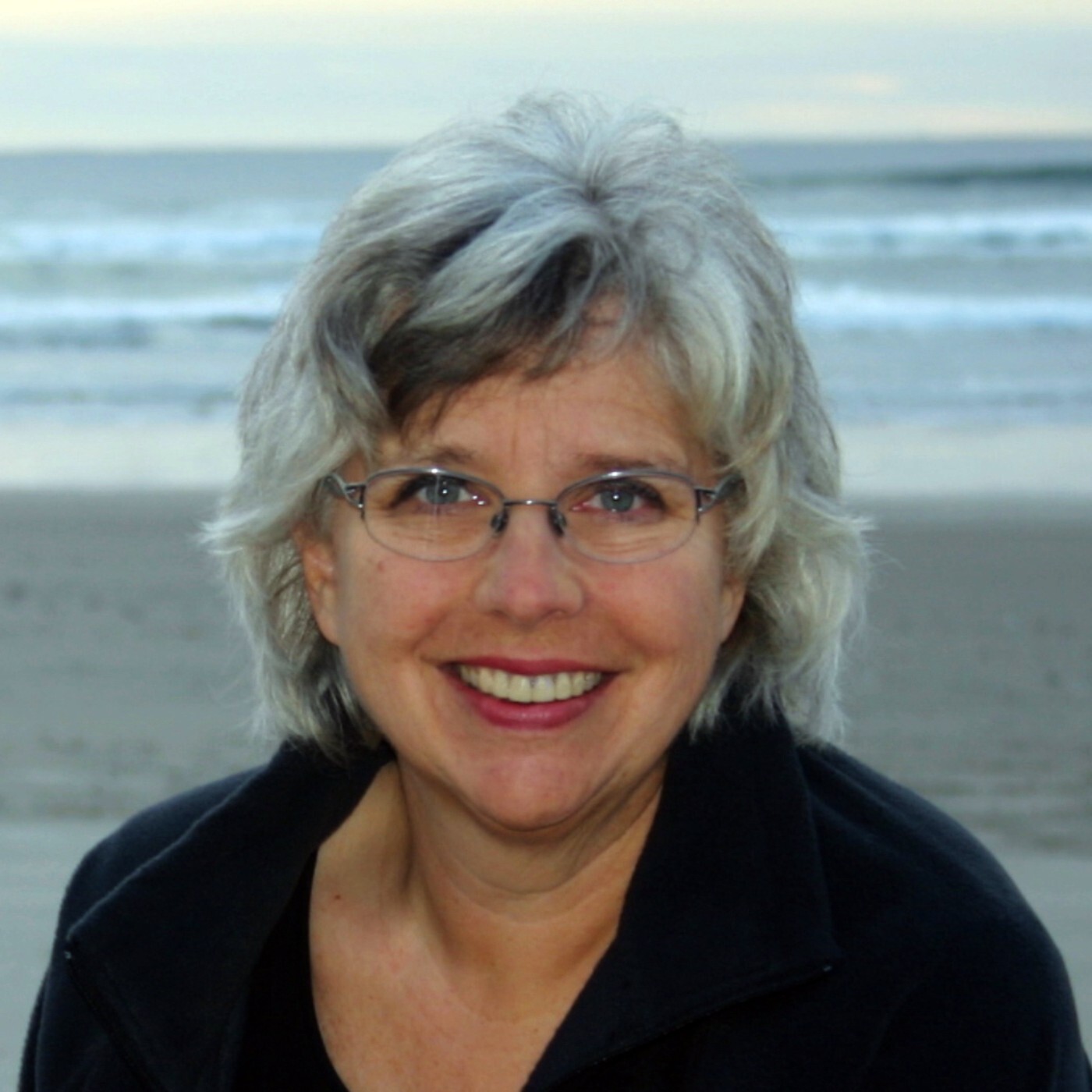
🎙 Menopause, Pain, and Bodywork (with Ruth Werner)
What if midlife achiness isn’t simply aging—and isn’t necessarily an injury that needs fixing?
Menopause can affect far more than temperature. As hormones shift, sleep, mood, cognition, bone and cardiovascular health, pain, and tissue tolerance may all change. Yet most hands-on practitioners received little or no training about what this means for the people on their tables—or for practitioners going through menopause themselves.
Pathology specialist Ruth Werner joins Til and Whitney to separate what we know from what we merely assume. They explore why hot flashes remain surprisingly mysterious, how declining estrogen may intersect with inflammation and musculoskeletal pain, and whether naming a “musculoskeletal syndrome of menopause” improves recognition or risks turning menopause into a catch-all explanation for midlife symptoms.
Most importantly, they bring the conversation into the treatment room: adjusting expectations, avoiding unnecessary overwork, accounting for medications and longer-term health changes, and recognizing that listening and thoughtful support may be as valuable as anything we do with our hands. They also make room for menopause as more than loss or disruption—for many, it can be a passage into greater maturity, clarity, creativity, and freedom from others’ expectations.
✨ We talk about:
• Why menopause is a normal transition, not a disease—and why its effects can still be profoundly disruptive
• Perimenopause versus menopause, and why the transition can affect decades of a person’s life
• What may be happening during a hot flash—and how much remains unknown
• The difficult overlap between menopause, aging, pain, and injury
• Estrogen’s possible roles in inflammation and musculoskeletal health
• The promise and limitations of the term “musculoskeletal syndrome of menopause”
• Practical session considerations: temperature, osteoporosis, cardiovascular health, medications, and tissue sensitivity
• Why changing our expectations may matter more than trying to “correct” hormonal effects
• Listening, validation, and the therapeutic alliance when clients feel dismissed elsewhere
• Menopause as a potentially powerful, creative, and liberating stage of life.
🎓 Continue with the complete course:
This episode offers a useful overview and key takeaways. Ruth’s complete 85-minute course, Menopause for Bodyworkers, goes deeper into the physiology, symptoms, treatment options, research, and hands-on implications. It includes the full presentation and discussion, course handout, quiz, and one continuing-education credit. Purchase it individually—or access it at no additional cost with an Advanced-Trainings subscription—at https://advanced-trainings.com.
✨ Resources:
• Ruth Werner’s courses, writing, and resources: https://ruthwerner.com
• I Have a Client Who… Pathology Conversations with Ruth Werner: https://ruthwerner.com/podcast/
• Vonda Wright and colleagues, “The Musculoskeletal Syndrome of Menopause”: https://doi.org/10.1080/13697137.2024.2380363
• Advanced-Trainings courses and subscription library: https://advanced-trainings.com
🌱 Sponsor Offers:
• Jane – Try it free for one month with code THINKING1MO at https://a-t.tv/jane
• ABMP – Save on new membership at https://abmp.com/thinking
• Books of Discovery – Save 15% with code thinking at https://booksofdiscovery.com
• Advanced-Trainings – Try one month free of the A-T Subscription with code thinking at https://a-t.tv/subscriptions
• Academy of Clinical Massage – Grab Whitney’s free Assessment Cheat Sheet at https://academyofclinicalmassage.com/cheatsheet
✨ Watch the video / connect with us:
• YouTube: https://www.youtube.com/@AdvancedTrainings/podcasts
• Whitney Lowe – https://academyofclinicalmassage.com | https://facebook.com/WhitneyLowe | https://twitter.com/whitneylowe
• Til Luchau – https://advanced-trainings.com | https://facebook.com/advancedtrainings | https://instagram.com/til.luchau
📧 Email us: info@thethinkingpractitioner.com
The Thinking Practitioner Podcast is intended for professional practitioners of manual and movement therapies — bodywork, massage therapy, structural integration, physical therapy, osteopathy, and similar professions. It is not medical or treatment advice. Rolfing® is a registered service mark of the Dr. Ida Rolf Institute®.


Full Transcript (click me!)
The Thinking Practitioner Podcast:
Episode 178: Menopause, Pain, and Bodywork (with Ruth Werner)
Til Luchau 00:00
If someone’s going through big hormonal changes, their tissues are going to respond differently, and my expectations are going to be appropriate. And if they have pain or discomfort, I’m going to factor in the hormonal changes as a possible cause.
Whitney Lowe 00:12
Welcome to the Thinking Practitioner Podcast,
Til Luchau 00:15
a podcast where we dig into the fascinating issues, conditions, and quandaries in the massage and manual therapy world today.
Whitney Lowe 00:22
I’m Whitney Lowe,
Til Luchau 00:23
and I’m Til Luchau.
Whitney Lowe 00:24
Welcome to the Thinking Practitioner.
Til Luchau 00:28
Why do some people become markedly achier during menopause, and what should bodyworkers understand about how to help that? Today, we’re with pathology specialist Ruth Werner, who’s going to help us look beyond the hot flashes at the much bigger picture, and our opening sponsor. We’re proudly supported by ABMP – Associated BodyWork and Massage Professionals, the premier association for dedicated massage and body work practitioners like you. When you join ABMP, you’re not just getting industry leading liability insurance; you’re gaining practical resources designed to support your career, from free top-tier continuing education and quick reference apps like Pocket Pathology and Five Minute Muscles, ABMP equips you with the tools you need to succeed and grow your practice.
Whitney Lowe 01:14
And ABMP is committed to elevating the profession with expert voices, fresh perspectives, and invaluable insights through their CE courses, the ABMP podcast, Massage and Body Work Magazine, featuring industry leaders like myself, my co-host Til, and our guest Ruth Werner today. So, Thinking Practitioner listeners like you can get exclusive savings on ABMP memberships at abnp.com forward slash thinking. So, join the best and expect more from your professional association.
Til Luchau 01:45
That was Whitney Lowe. I’m Til Luchau, and we’re really excited to be joined by our friend Ruth Werner, author of A Massage Therapist’s Guide to Pathology and one of our profession’s clearest translators of complex pathology into practical treatment room decisions. It’s good to have you back, Ruth.
Ruth Werner 02:01
Wow, Til, that’s a great tagline. I I appreciate that. Thank you very much. It’s always a pleasure to work with both of you. And this is a topic I’ve been delaying for as long as possible because it is so very very complex. So I really appreciate the the the accountability of your inviting me to share this with you because it’s past time.
Til Luchau 02:29
Well, I appreciate you saying yes because it’s normal – It’s not pathology. It can involve all kinds of stuff: pain, disrupted sleep, hot flashes, mood, cognitive changes, long-term changes in bone, muscle, cardiovascular health. We’re learning a lot about the involvement with pain, and yet a lot of practitioners, myself included, got very little training about it and understand less than we could. So, my basic question is, what do I need to understand about menopause, both as a male, but also as a practitioner, as a bodyworker, and as a human being? So you’re gonna, before I turn that over to you, we’re gonna be recording your full course on menopause, a brand new course, and Whitney and I are gonna be asking questions and adding comments as we go. Lucky us! What a benefit to doing this job. And so, listeners, if you’re listening to this as a podcast episode, we’ll be drawing from a larger conversation to give you a useful overview and some key takeaways for your practice in the podcast itself. But if you want to go deeper, the complete course will be available for purchase or free for subscribers at advanced-trainings.com.com. So Ruth, before you begin, what what made you want body workers to understand menopause better?
Ruth Werner 03:52
It’s a it’s an interesting question, Til, because we don’t have a lot of great information about why bodyworkers might want to understand menopause better, we are just beginning to lift the lid on the overlap between the changes associated with aging and menopause in females and the onset of new sort of musculoskeletal symptoms, but that goes hand in hand with a whole slew of other hormonal shifts and changes, and and to try to understand the interface between these things, and then adding body work on top, it is a it is a multi layered cake that we don’t and we don’t know what’s in the deeper
layers, so I’m delighted that we’re having this conversation. And I want to point out, you know, that that, and I’ll get into the statistics when we when we sort of start the whole the whole conversation. A little more than half of your clients. Depending on who who you you know specialize with, will probably go through perimenopause and menopause, and maybe it’s it’s as important to point out that you know this is a female led profession, and consequently, you know way more than half of all massage therapists will be going through menopause, and this has repercussions on our ability to maintain a healthy practice. And frankly, this is an idea that has just popped into my head. It’s like here’s another reason massage therapists need to know about menopause: is because we’re going to go through it, and it has repercussions in terms of our muscle and joint health, and our temperature regulation, and our mental stability, and the way we are caregivers in our society, you know, all of these things are going to play into choices about giving and receiving massage.
Til Luchau 06:02
Well, and as a as a guy, it’s I’m so glad to have a chance to talk with you about this because it’s also an unknown. I mean, every one of us is related at least to a woman, if we’re not a woman ourselves, and we have the chance to understand and work with and find ways to support each other through the changes in life, including this one. I’m looking forward to learning more.
Ruth Werner 06:28
Absolutely true, and so I’m glad that you that you opened this up. I would love to see this become more of a general conversation in the world, in in the same way that other things around women’s health is finally beginning to move the needle, just a little bit,
Whitney Lowe 06:48
long overdue. Yeah, yes, it’s
Til Luchau 06:50
great.
Ruth Werner 06:51
The first thing I want to say as we dive into our undertaking of the topic of menopause is: here’s what menopause isn’t. It isn’t a disease. It’s a condition that changes the way we function, but it is not a disease. And so, to medicalize it, or to and to assume, you know, I am letting my bias peek right through here, right? But to assume that this is something that must be treated with medicine, I believe, from my own point of point of bias, is does doesn’t serve all of the people, and we’ll come back to that as we go.
Til Luchau 07:33
Let’s bookmark that because I think that has some implications for the way we think about our work too.
Ruth Werner 07:38
Yes,
Til Luchau 07:39
I want to get to that. Yeah,
Ruth Werner 07:40
Good, thanks. So on this slide, there’s a there’s a little graphic that is a uterus with a pause button on the top of it, and I ran into this. I had not seen this before. I started looking for images for this slideshow, and I realized, oh yeah, that’s a pause button, menopause. Aha ha ha ha ha! But it’s not really menopause. It is meno stop, right? The word menopause means periods have stopped. It is a completely normal and natural process. It’s going to affect about 51% of the population, and in that process, it causes some symptoms. Sometimes those symptoms are really severe and debilitating, and and certainly deserve being addressed. Sometimes those symptoms are not such a big deal and don’t need to be addressed medically. And maybe the the point I want to keep emphasizing is is menopause is not a one size fits all kind of situation. It does change some of the ways our bodies function, and in those changes, it does raise the risk for some longer-term diseases and conditions that are diseases and conditions that we, you know, that that accompany aging. And what’s really interesting, especially with what’s happened with life expectancy, is that a person who goes through menopause, who lives long enough, who lives into their 40s, and goes through menopause will probably live with the effects of menopause for up to 40% of their life? I, you know, I I did a little bit of digging into life expectancy just for this part, and you know, until we had the widespread availability of clean water and some other interventions, life expectancy in general was pretty low. It was in the 40s, but that’s mainly because of high infant mortality rates. For people who made it through toddlerhood, life expectancy was into the younger to mid 60s until we started making some pretty major medical breakthroughs. Now life expectancy is into the mid to upper 70s for men, and the you know upper 70s to low 80s for women, and that means that a person who goes through menopause can expect to live. For almost half their life, in a peri or postmenopausal state, and it is fabulously understudied. Right, so the first international congress on the science of menopause was in 1976. All right, so here’s a definition and a few statistics. Menopause is is identified when menstruation completely stops. Menopause can be induced, for instance, if a person needs to have their ovaries removed because of cancer or disease or scarring or you know cysts that are out of control. That can induce premature menopause, but the main part of our conversation is going to be menopause that occurs on a natural cycle, and it is not identified until a full year after the last menstrual period. So the period, the the the time when symptom, the onset of symptoms up to a year after the last menstrual period, we call this perimenopause. So, for natural menopause, this process begins somewhere between the mid 40s to the mid 50s. The statistical average in the United States is that a person is finished with menopause in terms of being the possibility of fertility around age 51. Some of the symptoms of perimenopause, especially the hot flashes, can persist for years. And I will tell you because I am highly suggestable that as I was preparing our information, I re-experienced some hot flashes, and it was not pleasant. So with age, and one of the one of the big brick walls I ended up banging my head against a lot in preparing this presentation was what’s the difference between regular old aging and the effects of menopause? And I am not convinced that there is a difference between those things, but people who you know experts in menopause discuss them as two different issues, and that makes me a little itchy.
Til Luchau 07:40
You’re saying when you put up the set of things that happen with normal ages and the set of things that happen with menopause, there’s a whole lot of overlap. Maybe.
Ruth Werner 11:39
An enormous amount of overlap, but okay, we’ll get back to that when we start talking about the musculoskeletal stuff because there’s stuff there. There’s stuff in there I want to really wrestle with a little bit.
Til Luchau 12:26
Great.
Ruth Werner 12:26
So what we see is with age, ovaries deplete. Right, they lose follicles. They’ve used up a bunch of eggs. We don’t just ripen one egg per month. We ripen multiple eggs per month, and over time, the follicles sort of just don’t function anymore, and consequently, we have a reduced production of estradiol and a bunch of other chemicals. And what happens with a negative feedback loop is that if one, you know, secretion goes low, then the signal to to let go to the signal to secrete that secretion Gets louder, and consequently, follicle-stimulating hormone tends to go up much higher during the onset of perimenopause. And what I learned interestingly is that it stays high really for the rest of a person’s life. And this is a you know this marks a significant disruption of that HPO axis. Also, and I understand this less well, the balance between testosterone, because females also secrete testosterone, and estrogen is lost, and testosterone begins to become a little more dominant. And one of you know among those consequences are some of the things that we see with aging females, which is acne and facial hair and body hair and thinning hair on the scalp, which is just a really super duper thing. It’s you know socially, this is considered, you know, facial hair, but less scalp hair for females is considered not acceptable. So, when we have these hormonal shifts, and we’re secreting a bunch more FSH and a lot less estrogen and a lot less progesterone, a number of things happen. But I will be very, very honest with you. To my understanding, we still don’t always get the complete sequelae from these hormonal shifts to these changes in physical experience, and to understand these sequeli requires a boatload of chemistry. And I’m, you know, I’m just not, I’m not going to go there. When you say we
Til Luchau 14:41
don’t get them, mean people don’t experience them, or we don’t understand.
Ruth Werner 14:44
No we don’t. We don’t understand them.
Til Luchau 14:46
Gotcha.
Ruth Werner 14:46
For instance, in answer to a question that you sent me ahead of time, when I tried to figure out what’s what is a hot flash, what’s really going on there, we have some guesses,
Til Luchau 14:55
right? We
Ruth Werner 14:56
don’t really know, and this is you. At least partly, an artifact of the fact that we have only been really studying menopause for about 50 years, and it just makes me want to bang my head against the wall. But okay, so there are three sort of major domains for the early signs and symptoms of perimenopause, right? That time between when we, when when our hormone secretion fluctuates, and sometimes it’ll be a normal or really high level of estrogen, and sometimes it’ll be really low, and the FSH is trying to respond. So among these three major domains, we have what are called the vasomotor or climacteric symptoms, and we see somewhere between 75 and 80% of all people going through menopause experience these these symptoms, these hot flashes when they happen at night. We call them night sweats, and I have a little tangent slide to to discuss that. When that happens, in addition, you know, we have a rapidly beating heart and vasodilation in the skull, and that’s migraines. There are things that make hot flashes worse, including alcohol, smoking, stress. I remember three or four years in a row, the act of doing my taxes would knock me out because of hot flashes, and also physical activity. And another domain of the signs and symptoms of perimenopause are the genitourinary symptoms or syndromes of menopause, including the thinning of the vaginal mucosa, painful sex, reduced sex drive, urinary frequency, bladder irritation, and UTI. All right, UTI, urinary tract infection, and then there are you know the panoply of mental and mood symptoms, including brain fog, which is the thing that a lot of people, including me, found the most troublesome, the most irritating, the most debilitating in some ways, anxiety, depression, problems with concentration, irritability, insomnia-that goes along with the night sweats. All of these things sort of build on each other and can make each other worse. But those are the three sort of recognized major domains of the of the signs and symptoms of perimenopause. And then there’s a whole slew of others that we’ll get to in a second, but you you know we we wanted to take a little closer look at hot flashes, and so in this slide I say 75% of people, and the other slide I said 80% of people. It sort of depends on who you’re reading at the moment. A lot of people find that their hot flashes persist long after other signs and symptoms of menopause are over. We think maybe they have to do with fluctuating hormones, and you know this is a quote from a paper: a drop in estrogen changes how the hypothalamus perceives temperature, but we don’t really know, and that’s just really irritating. And the main thing that happens with a hot flash is a very sudden onset of heat, sweat, especially on the neck, the chest, the face. To me, it feels enormously like a hypoglycemic episode. And if you’ve ever had that, you know what that’s like. You break into a cold sweat. You’re shaky. Noises sound weird. Things are, you know, things are really, really offset. Rapid heartbeat followed by chills can be very severe. If a person is losing sleep because of night sweats, that leads to a whole list of other problems that go along. And I want to point out with this picture, which is a really great picture of a person having a hot flash. Thank you, Canva. Her feet are freezing. That was that was the big thing that I that I remember dealing with. Is I’d be sitting here at my desk, absolutely drenched in sweat, and my feet would be like blocks of ice, and it was it was special. I don’t miss that. And oh, look, joint and muscle pain and injuries. Now, you know we’re going to spend a little more time on this in in a few minutes. But is the joint pain and injuries is this related to aging?
Ruth Werner 19:22
Is this related to menopause? Is there a difference between those things? We know that menopausal and postmenopausal people experience more joint and muscle pain and more injuries than people who have, you know, premenopausal levels of estrogen. Could this be related to chronic inflammatory pathways? Probably. Estrogen is protective against inflammation for some types of tissues. Does that mean we should all rush out and supplement estrogen, and we’ll all live forever? And when you say chronic
Til Luchau 20:02
inflammatory pathways, you mean pre-existing things that might be independent of menopause, that come to the fore because of the diminished anti-inflammatory effect of the falling estrogen.
Ruth Werner 20:13
Yeah, that’s probably the case, Til. Yeah, and we can talk more about that in a bit. You You know the the whole. I’ve I know that inflammation is a particular topic of interest for you and me and Whitney and many many others. It is a huge mystery and so complicated and and very difficult to make declarative sentence about it. Estrogen has a role in inflammation. Is the role of estrogen and inflammation bigger than the role of the gut microbiome? Is it bigger than the role of insulin resistance? Is it, you know, there are so many other things that are all happening at the same time, and yet we get some surprising results when we consider that estrogen might be part of this with musculoskeletal injury, and we’ll get to that in a little while. All right, so let’s talk about the musculoskeletal syndrome of menopause. So, in in preparing this, Til sent me some podcasts, and they are in our in our resources for this class. And one of the podcasts was and was a quite a long interview between a doctor who specializes in working with people in menopause and a doctor who is more aligned with orthopedics, and who had coined this term and done some really groundbreaking research, but having she was at that time of the podcast was having a great deal of trouble finding someone who would publish it, and then later you know was was able to get it published. But that again speaks to the obstacles we have in getting in being listened to in this medical community,
Til Luchau 22:04
you’re not saying her name. Can we say her name?
Ruth Werner 22:06
Sure, but Dr. Vonda
Til Luchau 22:07
Vonda Wright, Dr. Vonda Wright was the again. She coined this term, the musculoskeptal syndrome, menopause, and made a pretty thorough case for it. But yeah, as you said, was
Ruth Werner 22:17
did you say thorough
Ruth Werner 22:18
or feral?
Til Luchau 22:20
Thorough,
Ruth Werner 22:22
because I would go with feral as well.
Til Luchau 22:24
Also, but and runs into controversy, saying, “Is this really qualifies a syndrome, or is this just aging? For example, as those kind of questions come up.
Ruth Werner 22:34
So let’s talk now, finally, about what this means for choices in body work. There are some really predictable things that we can do to to make sure that our work is as safe and as effective as possible. The first one is don’t overheat the room; that won’t help her. Let’s be aware of the possibility of cardiovascular disease and osteoporosis, and that your client may be dealing with meds to manage these risks, and those meds may have side effects. So while you are establishing your goals for working together, we want to you know make sure that any side effects related to their medications are are addressed. And of course, by the time someone gets into their 40 s, 50 s, 60 s, they probably have a list of underlying conditions as well, and you know we need to account for all of those. So when we think about ways we can be the most useful to people who are experiencing menopause as a whole body issue, as opposed to a specific pain issue, right? But a whole body experience. Think about what your clients are going through at this stage in their life, and the value of listening, and the and the value of the therapeutic alliance. Because I can almost guarantee that this client is not getting great support from the rest of her healthcare providers. People in our in this demographic are often dismissed, and so if a person goes to see her GP about tendon pain and she’s in the middle of menopause but she’s not on hormone replacement therapy, that is not that is not a strategy her doctor is likely to recommend because it’s so understudied. It’s a very, very specialized, tiny little niche. People going through this, females going through this. You know, we’re no longer fertile. We’re no longer attractive by societal standards. We’re growing facial hair. Our head hair is falling out. This, you know, this loss of a part of a part of an essential part of identity-it’s a big, big change. This body is changing so quickly. Until you and I were talking about this the other day, as we age, and I’m way postmenopausal. Thank you, but I’m real. You know, we we are now realizing we’re waking up in a slightly different body every single day, and that rapidity of change can be scary, especially when it affects our mental state and our cognition. Economic stressors and missed work because of the symptoms of perimenopause, and a really interesting phenomenon. Again, totally underaddressed, is that this is the sandwich generation. These are the people who are taking care of both adolescents going through rapid hormonal changes and aging parents, and that is just a whole lot of caregiving for someone who needs a lot of care and you know and sensitivity at the same time, menopause introduces whole new freedoms. No more worrying about birth control. No more, you know. Often people are entering a time in their life where money is a little easier. The the the not having to appear in a certain kind of way in society lifts a lot of burdens. It it can be great, and I really want to emphasize that.
Til Luchau 26:05
Me too. Let’s take a little time with that because, again, I hear the women in my life talking about it as not just a loss, which it is, or disruption, but it’s also a passage into maturity or a deepening sense of womanhood, greater clarity about who they are, reordering priorities, much
Ruth Werner 26:24
less dependence on other people’s opinions.
Til Luchau 26:26
Reordering, yeah, reordering priorities away from the expectations of other people, the demands that shaped their earlier life. Again, I don’t want to romanticize that at all, or even generalize it because people are so different. But I’m glad we were mentioning this. We’re making room for it.
Ruth Werner 26:39
Well, and I would love, you know, if we have listeners who are in the middle of this, and have lost that perspective, because that’s what happens when we’re in a lot of distress. Is we lose perspective. That is awesome on this side. It’s fantastic. People take you more seriously if you are, you know, if you’re spending time with the right people, it’s easier to be ignored by the people you want to be ignored by, and it’s yeah, it can be it can be a wonderful and very powerful and creative time.
Til Luchau 27:13
So thank you for helping us see the the physiology, the things we should be careful about, and see the the person that’s going through this, and to understand how we can even be of even more help. Again, we’re gonna we’re gonna publish this conversation, the full course with a quiz and CE certificate and handout and all that stuff is a complete course in our website advanced-trainings.com would be part of our subscription where you can access it for free there too. Do check out Ruth’s offerings. We’ll put those in the show notes as well as well as the other things we’ve mentioned along the way. I want to thank our closing sponsor. You’ve heard us talk about Jane before, and we keep mentioning them for a reason. We’re selective about who we partner with, we want sponsors whose values align with ours and who are who can genuinely serve this community. Jane fits that bill. They’re a practice management platform built specifically for health and wellness practitioners, simple enough for solo practitioners, but powerful enough for clinics and groups.
Whitney Lowe 28:19
And what really caught our attention with Jane with their reputation for customer service, real humans available by phone, email, or chat, even on Saturdays. That kind of support is increasingly rare, and it says a lot about the company. So, if you’re looking to simplify the business side of your practice, check them out at a-t.tv/jane. Again, that is a dash t.tv/jane and Thinking Practitioner listeners can get a free first month by entering the code Thinking1mo. That’s like a month Thinking1mo at checkout. And we want to say thank you again to all of our listeners and to our sponsors. You can stop by our sites for the video, show notes, transcripts, and any extras, and you can find that over on my site at academyofclinicalmassage.com. Til for you. Where can people find you there?
Til Luchau 29:09
Advanced-trainings.com. That’s where you’ll find all the references, all the links to the things we’ve talked about, the transcript, etc. We want to hear from you about your ideas or input about the show, about today’s or any others or future shows, email us at info@thethinkingpractitioner.com or look for us on social media and YouTube under our names. My name is Til Luchau. What is your name, Whitney?
Whitney Lowe 29:33
Today, my name is Whitney Lowe. You can find me over there as well, and we would really appreciate it if you would rate us on Spotify or Apple Podcasts, as it helps other people find the show. So please take a few seconds to do that. And thanks again, as always, for sharing the word and tell a friend. And we’d like to say also a special thank you again to Ruth for this extended deep dive that we took today into menopause. This was really fascinating and super informative. So Ruth, thanks again for being with us today.
Ruth Werner 30:00
Thanks, Whitney. Great to see you. Thanks, Til. Great to see you.
Huge thanks to our sponsors:


Live Workshop Schedule
Stay Up to Date
…with the Latest Episode, News & Updates
Get our free Techniques e-Letter
You’ll occasionally receive the latest schedule updates, tips, secrets, offers, resources, and more. Check out our ironclad privacy and SMS policies. You can unsubscribe/stop at any time.
This Month’s Free Online Course
Our gift to you. Includes CE, Certificate, and Extras.
Follow Us
Join us on FaceBook, Instagram, Twitter and YouTube for information, resources, videos, and upcoming courses!
0 Comments