
The Thinking Practitioner Podcast
w/ Til Luchau & Whitney Lowe
Episode 174: How to Bend Time (with Til Luchau & Whitney Lowe)
Transcript | Subscribe | Comments | ⭑⭑⭑⭑⭑
Or, listen and subscribe on Apple Podcasts, Spotify, wherever you get your podcasts!
🎁 Scroll down for the full video and transcript!
🎙 How to Bend Time (with Til Luchau & Whitney Lowe)
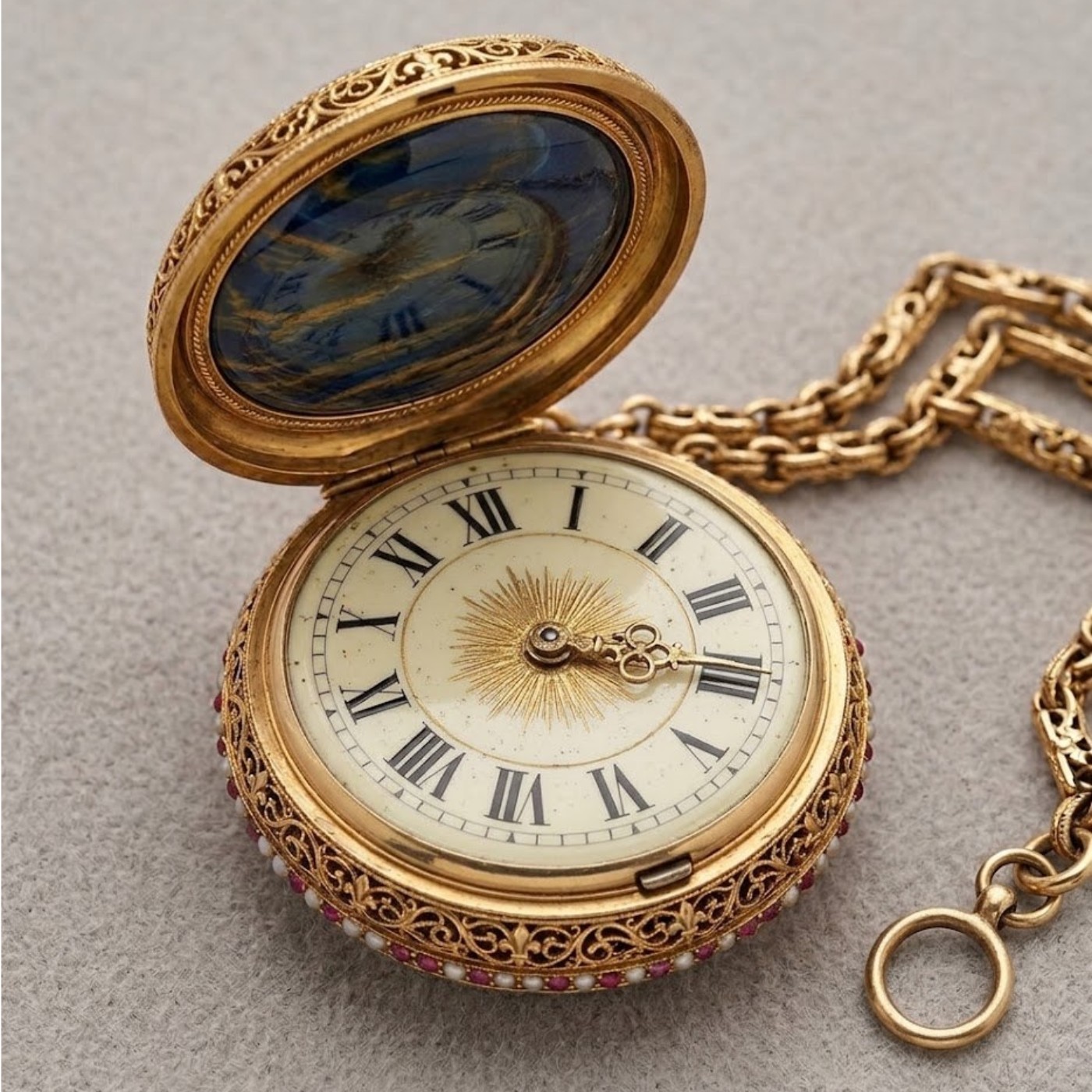
There’s a moment in many good sessions when the clock stops mattering — breathing deepens, your hands settle, and time itself seems to change. Til recently wrote about this as “bending time,” and here he and Whitney explore it as a practical, therapeutic part of hands-on work. They get into how time perception is tied to body state, attention, and interoception; how the practitioner’s own state sets the tempo; and how to work slowly without losing focus, while still respecting the real limits of a 30-, 60-, or 90-minute session.
✨ Topics:
• What that timeless shift feels like from the practitioner’s side
• Why the practitioner often enters the state first — and how the client entrains to it
• Timelessness vs. clock-watching: why it’s not the same as zoning out or falling asleep
• Interoception, age, and “clock speed”: why our sense of duration is so elastic
• Meeting clients at their rhythm before inviting a shift (follow, follow, lead)
• Jan Sultan’s “most important move in Rolfing” — keeping the big-picture overview
• Landing the plane: giving clients a heads-up to ease the transition out
• Slow doesn’t mean vague: clearer attention, better timing, realistic plans
• Presence and compassion as part of skill — and the people hardest to love
• A this-week experiment: pause and feel your own body before you touch
✨ Resources:
• Til Luchau, “Bending Time: The Therapeutic Power of Timelessness,” Massage & Bodywork magazine (Somatic Edge column) — https://www.abmp.com/massage-and-bodywork-magazine/issues/summer-2026/bending-time
• Marc Wittmann, “The Inner Experience of Time,” Philosophical Transactions of the Royal Society B (2009)
• E. P. Thompson, “Time, Work-Discipline, and Industrial Capitalism,” Past & Present (1967)
• Fantastic Voyage (1966) — the “miniature journey inside the body” film referenced in the episode
🌱 Sponsor Offers:
• Jane – Try the Jane practice management app free for one month with code THINKING1MO at https://a-t.tv/jane
• Deep Roots Massage & Bodywork – Save 10% on continuing education with code THINKING at https://deeprootsmb.com
• ABMP – Save $24 on new membership at https://abmp.com/thinking
• Books of Discovery – Save 15% with code thinking at https://booksofdiscovery.com/
• Advanced-Trainings – Try one month free of the A-T Subscription with code thinking at https://a-t.tv/subscriptions/
• Academy of Clinical Massage – Grab Whitney’s free Assessment Cheat Sheet at https://academyofclinicalmassage.com/cheatsheet
✨ Watch the video / connect with us:
• Til Luchau – https://advanced-trainings.com | https://facebook.com/advancedtrainings | https://instagram.com/til.luchau | https://www.youtube.com/@AdvancedTrainings/podcasts
📧 Email us: info@thethinkingpractitioner.com
The Thinking Practitioner Podcast is intended for professional practitioners of manual and movement therapies — bodywork, massage therapy, structural integration, physical therapy, osteopathy, and similar professions. It is not medical or treatment advice. Rolfing® is a registered trademark of the Dr. Ida Rolf Institute.

Full Transcript (click me!)
The Thinking Practitioner Podcast:
Episode 174: How to Bend Time (with Til Luchau & Whitney Lowe)
Welcome to the Thinking Practitioner podcast,
Til Luchau
a podcast where we dig into the fascinating issues, conditions, and quandaries in the massage and manual therapy world today.
Whitney Lowe
I’m Whitney Lowe
Til Luchau
and I’m Til Luchau. Welcome
Whitney Lowe
to The Thinking Practitioner. Hello, everyone, and you’ve heard us talk about Jane before, and we keep mentioning them for a reason. We are selective about who we partner with, and we want sponsors whose values align with ours and who genuinely serve this community. Jane certainly fits that bill. They’re a practice management platform built specifically for health and wellness practitioners, simple enough for solo practitioners, but powerful enough for clinics and groups.
Til Luchau
What really caught our attention was Jane’s reputation for customer service, real humans available by phone, email, or chat, even on Saturdays. That kind of supports increasingly rare, and it says a lot about a company. If you’re looking to simplify the business side of your practice, check them out at a-t.tv/jane and thinking practitioner listeners can get a free month by entering the code thinking1mo, that’s thinking1mo at checkout.
Whitney Lowe
And we’re also happy to have Deep Roots Massage and Body Work in Keene, New Hampshire, back with us on The Thinking Practitioner. Deep Roots is a massage practice that’s expanding into continuing education for massage and body work professionals, and like us, they’re drawn to the art and science of evidence-informed practice. They’ve built a reputation for hosting carefully curated, hands-on workshops with some of the field’s leading instructors, like my partner Til, and they keep class sizes small, so you actually get individualized attention and the kind of substantive group discussion that moves your practice forward.
Til Luchau
This year’s lineup includes Advanced Myofascial Techniques for whiplash and acute injuries with Chris Pohowsky, visceral anatomy and manipulation Thai massage, and a Leg, Knee and Foot master class with myself this fall to see the full schedule and to register, visit DeepRootsmb.com that’s DeepRoots M like Massage B like Body work.com and use the code Thinking at checkout to save 10% on any upcoming workshop. How are you doing, Whitney?
Whitney Lowe
Doing well, sir. How are you doing today on this mid summer day in middle of June?
Til Luchau
I’m, I’m happy to be here with you. It’s got an interesting topic today. Yeah, I wanted to talk about, well, a particular session I did where I something I wrote about this in article, but something like 20 minutes into the session it felt like the background music changed in the room, things just kind of slowed down and opened up, and I relaxed, my clients – my client’s breathing changed. It’s almost like the light got a little more golden, and it seemed like time stopped.
Whitney Lowe
Yeah,
Til Luchau
and I had this insight, I had this thought, like this is the state I love working in, but it’s also itself, it’s pretty important, valuable, and probably therapeutic.
Whitney Lowe
Yeah, I mean, I was fascinated by this when you wrote about it, and I have had that kind of feeling at different times before. You know, it happens a lot in sessions when you just kind of get into a zone, sort of about it. So, we haven’t sort of talked about it directly, but you actually kind of named it a little bit here, so I like that as well.
Til Luchau
Well, it made me realize that, yeah, we don’t talk about it a lot, at least in our technically focused discussions, but it’s the context for a lot of the state change, attention change, perception change, including perception of pain. The benefit we provide has to do with the way our clients experience the time that’s going by.
Whitney Lowe
So well, let’s let’s get into that a little bit. And so you kind of, you sort of alluded to this earlier about the moment that the clock stops mattering, and so, what does that act? What does that feel like from the practitioner’s side, from, you know, your body attention, your, your, where your head, your goes, where your attentions focus, what your, what your hands are feeling and doing at that time, the
Til Luchau
actual feeling of that timeless shift. I described it a little bit. It was like the music changed, or the chord shifted to a more interesting one, or the light shifted, but it’s, it’s probably more tangibly a shift into my own bodily experience. It’s a shift into my own into internal somatic universe, where my attention in my touch and my own body, which extends through my touch, my awareness extends through my touch into my client’s internal universe as well, that becomes foreground. All of a sudden, I’m in, I’m inside that state.
Whitney Lowe
I want to kind of like go back to what you were talking about, of this, this one particular session that caught your attention. What was it? What do you think sort of made that shift happen? Kind of like what sort of brought about that sort of shifting of all those different things coming together? Was it the unique connection between you and that particular client, or what was it, other things that were happening for you in your life that day? What can you put a finger on? What was really the catalyst for that?
Til Luchau
There’s, I think, there’s a lot of ingredients in the recipe, and certainly the client’s receptivity, or their responsiveness to what was happening, was part of it, but I think looking back on that, I think a lot of it was my willingness to slow down. I think that, that I probably started it. I don’t know for sure, but as I’ve been playing with it more intentionally since then, it’s me that can initiate that from the practitioner’s
side. Yeah, and there’s a, there is a skill or a method involved, sometimes. Sometimes it’s magic, just happens, and we’re a while, the time’s up. We didn’t even realize where it went. I can’t believe it’s all over.
Whitney Lowe
Yeah,
Til Luchau
but the, the ingredients in that that I have control of include my own autonomic pace, like, how quickly am I going inside, and often, especially if I had a full client day, or any kind of full day that just lands me in this session really clocked up, really moving. It’s a conscious shift that I have to do to really actually recalibrate to slow down to tune in to that body state that is great to work in.
Whitney Lowe
I want to kind of expand on that idea that you mentioned about the, you know, the client often saying I can’t believe that was an hour of the sort of what came up for me when I read that was sort of two different thoughts. One is the situations that I’ve been in, where there was the client just really went somewhere for that hour in a really sort of magical transformation process of psychosomatic exploration that was really an interesting thing for them, and then other times I’ve had clients say something like, because I know they fell asleep in the middle of the session, and they were like, really bummed that they missed the experience, like, oh no, my hour was over, I missed some important things because I was out of it.
Til Luchau
That’s different, right? That zoning out or going to sleep and missing the session is different than, like, wow, I was so richly present, so much in the experience that time just kind of warped and compressed and changed or expanded or became irrelevant. Yeah, that’s pretty different than sleeping through a session.
Whitney Lowe
I want to ask your opinion about this a little bit too, because this is something else that came up for me when I read the article of the way in which you’re describing this whole idea of just getting super connected with what’s happening there and sort of letting the clock not be your driver is a way to really get deeply, I think, enmeshed with the magical experience that happens with the two people are in the treatment room working together, and yet we still do have to force ourselves to at the same time pay attention to that clock, because we’ve probably scheduled appointments to end at a particular time, and somebody else is coming in afterwards, and so how do you kind of balance those things of letting yourself just really get drawn into what’s happening, and not, you know, zero in on the clock, but also I’m assuming kind of have to keep your mind halfway at least on this, because you have to, you know, you’ve got other people coming in afterwards.
Til Luchau
That makes me think of a couple things. One is one of my teachers and mentors, Jan Sultan, at the Rolf Institute, who was actually a guest here on the show at some point, but at some point he said to the class, at least half seriously, he said the most important move in Rolfing was this, looking at his watch, he said that that’s what in his point he was making is it keeps us grounded in the set of goals we have to understand how much is still possible. It keeps some sort of executive functioning or overview of what needs to be done.
Whitney Lowe
Yeah,
Til Luchau
and that was actually really useful and important for me to hear at that time in my own work, because that overview is important.
Whitney Lowe
Mm.
Til Luchau
And in this timeless state we can just be crawling like an ant over the territory and miss that big picture view,
Whitney Lowe
yeah.
Til Luchau
So time awareness is part of that, but I think at least now 40 something years after starting this path, both are possible.
Whitney Lowe
Yeah,
Til Luchau
doesn’t have to be either one, or if I can, at least I can shuttle back and forth often enough to keep both perspectives through the session,
Whitney Lowe
And I think some of that too may differ with different types of practitioners, because I know you know there are practitioners who are just personality and person wise, they’re the kind of people who are like, they sort of show up when they show up, and they’ll do things, and they say they’re gonna be at five, and you know, it’s 630 and they, they come around like, oh yeah, now I’m here, kind of thing, and like, and I am completely the opposite, like, if I’m five minutes late for meeting with somebody, I’m already, my anxiety levels are high, and so I’m, I’m one of those people who’s really time-tied, or have
Til Luchau
I ever logged in to our calls before? You have to think about it, yeah, right. So, no, you’re there waiting for me, so maybe this is good that you and I are having this discussion as representatives of these different points of view, perhaps.
Whitney Lowe
right. So, but they’re all, they’re just different, different strategies, so you know, so, so, anyway, different
Til Luchau
strategies, different styles, there’s big cultural differences too, about,
Whitney Lowe
yeah,
Til Luchau
The way we think about time and punctuality, and there’s that, there’s like, okay, so are we on time or is time symbolic? And then there’s also like clock speed, just the speed that we run at inside to different people’s nervous systems run a different race, and that’s not separate from our cultural context. Like traveling in Asia, like I was earlier in the year, things really slowed down for me, and I was able just to follow my rhythm. Came back here to Boulder, Colorado, which is not the highest stress place by any means, but I really felt the Boulder bustle again. I’ve just like, everyone’s got a schedule, everything’s on schedule, people are packing their days, people, there’s traffic, people are getting around and doing stuff, and so that’s a different context, right there, that people are coming in with.
Whitney Lowe
You know, I have often remarked about this, and I don’t know, this is probably this is probably just a lot in my head, but you know, when I travel around doing workshops, and I go to the East Coast, where there is a much higher population density, and it just feels like culturally the pace of life is a lot faster. I get this sort of, sort of wound up tension about time and getting things, and all this kind of stuff. And then going home, flying on the airplane, about the time I get right over your house, basically right over the Rocky Mountains. Yeah, by the time I crossed the Rocky Mountains on the way back to Oregon, I’m kind of like, kind of like, settle down and relax and breathe a little bit there. So
Til Luchau
There’s that’s the stereotypical clashed East West Coast, yeah. And I remember actually teaching a class one time about communication, it was the Rolf Institute years ago, and I was making the point that we needed to attune with our client, and I was giving some example, and there was a guy there from New York in the class who said that would the way you’re talking right now would just drive me friggin crazy, and so we actually role played it a little bit, but I remember it was made it really clear we got to meet people where they’re at.
Whitney Lowe
Yeah, so
Til Luchau
if I come in moving at one mile per hour to my client who’s going 100 we’re going to miss and we’re not going to get aligned
Whitney Lowe
Right.
Til Luchau
So there is this kind of follow-follow lead rhythm that, yeah, that we do as as a tuners, as people that get attuned to what’s happening, and then can invite things into new directions, like often I will need to meet my clients at whatever rate or rhythm that they’re at before we can have any kind of shift.
Whitney Lowe
So when you talk about that place of meeting your clients with what’s going on there, you know you had sort of mentioned sometimes you feel like you might enter that sort of time warp first before the client does, and can I’m curious about a couple things. How did you sort of discover that? And then also, like, how do you know if, like, the client is in that place? I mean, is this something that you’re talking with them about, or what kind of is the indicator?
Til Luchau
I’m not opposed to talking about it at all, but I’m not typically narrating or inviting or giving verbal instructions. I, how did I come to that? Boy, I don’t know. I just started asking that question you asked, like, how did this happen?
Whitney Lowe
Yeah,
Til Luchau
and what, what influence do I have over it happening, because some of it’s just circumstance, serendipity. Magic, whatever the availability of both of us and the specialness of the moment, but there there’s a lot I can do to make that more likely, and I do think it’s that that process of attuning, getting connected, or getting on the same wavelength, rhythm, set of goals, whatever, and then once we’re flowing, then, like, we do in a good dance or a good conversation, one of us shifts, the other goes with us. Yeah, and so I experiment with being the one who shifts.
Whitney Lowe
Yeah,
Til Luchau
and you’re right, I do need to track, is that person still with me? And I do that through, like, are we breathing a similar rates? Those are the analytical pieces, you know, are they are they relaxed, are they are they expansive, or are they fidgeting, or eyes moving, or the breathing at different rate? All those kind of autonomic signs are the tangible ways to track that.
Whitney Lowe
Yeah,
Til Luchau
but there’s an empathetic thing that we do too, just through our hands, or through the presence in the room, where we can, we can feel, or intuit, or guess about the level of connection we had with our clients too, hopefully we have that by now.
Whitney Lowe
And I want to follow up on that a little bit too, in terms of what you were talking about that you feel, because you know I was, I’m curious, like what what you feel while you’re you’re working there, and one of the things that really piqued my curiosity when I read your article, too, was the discussion about interoception being related to time, and I was wondering, maybe you can elaborate on that just a little bit, and sort of like give us a narrative of what you feel, and how does, how does that feeling in your body relate to that connection?
Til Luchau
This is the idea that interception, our inner experience, shapes our perception of time, as does the context, as does our emotional state. There’s lots of things that basically our age is a big one. I’ll just
take a little tangent here for a second. Interesting research study, I’ll have to look up the reference, but the method was basically a group of volunteers stopping people on the street and saying, would you be willing to take a minute for a research project with me? Why would you please tell me when one minute has elapsed? We’re just going to stand here, tell me when one minute has gone by. That was the method, and what they did then is they correlated it with people’s age or circumstances to see what were the factors in the differences that people had in thinking a minute had gone by, and there were big differences, and it turns out that age was the biggest factor, that the older you were, the longer you waited before you said a minute had gone by, and I forget the breakpoint, but at some point people were saying, younger people were saying, after 45 seconds, let’s say, oh, that’s a minute, while the over 50s were saying they’d wait a minute and a half and then go, oh yeah, that’s a minute that’s gone by, uh huh, so they’re interesting, yeah, there’s an internal perception of time that changes as we age too,
Whitney Lowe
yeah,
Til Luchau
theory there that that’s just clock speed, just we, our cognition is moving slower as age, and so that kind of ticking of our brain is what one of the things that gives us a sense of time, and that’s not unrelated to the interception question, too, is like, How do we feel our bodies, how accurately, and how pleasantly or unpleasantly do we feel our body that influences our sense of duration too.
Whitney Lowe
You know, taking that sort of idea of the span of time with with people of different ages. I remember talking with, I can’t remember who I was talking, I think I was talking with my parents about this at one time, and we were saying, talking about how time passes at such different paces, seemingly when you’re at different ages, and that’s like, well, think of it in terms of a relative term, when you’re six years old, three years is half of your life, when you’re 63, years is.. I don’t want to try to do the math here, but it ain’t much, no, yeah,
Til Luchau
right, it’s a tiny bit, yeah, it’s a sliver, yeah, there’s that, that’s the proportionality too,
Whitney Lowe
yeah,
Til Luchau
but the internal body state of our time perception is really fascinating, and I give some references in the article, but also make the point that because we work and we change people’s internal body state all the time, we are changing their sense of time, time duration, the sense of pace. We’re typically getting people into their bodies or relieving pain that is just pulling their focus and helping have a more expansive focus into their bodies, and that by itself typically slows down the perception of time, makes you stand and draw out.
Whitney Lowe
Yeah,
Til Luchau
it’s different. I should make this distinction too. Time slowing down is different than like staring at the clock and waiting for the session to end. That seems like time has really slowed down.
Whitney Lowe
Yeah,
Til Luchau
this is when this, when we. Getting to the state that you and I are talking about, more of this flow state. It’s like time doesn’t even matter, it’s not even relevant.
Whitney Lowe
Yeah, that’s kind of what I was thinking, is like it becomes less and less relevant. Yeah,
Til Luchau
and it’s, and it’s almost timeless. It’s almost like the clock is not moving, and yet, wow, now we’re at the end. Yeah, it’s different than that, watching every second tick and waiting for the next, yeah, very different than that.
Whitney Lowe
Let me ask this: in terms of, you know, that let’s say, you know, you’re in a session, and you’re, you get into that particular zone, and you are sort of in that sort of timeless place, but you happen to look up at the clock and realize it’s almost time to finish. Do you ever feel like you’re having to sort of jerk or pull yourself out of that place because you’re getting to the, you know, the structural end of that session, but you’re not ready to leave yet.
Til Luchau
Totally, I mean, but yeah, I try sometimes. It’s a jerk, especially if the clock has gone past the time, or my next client’s knocking at the door, that’s kind of a jerk. Yeah, but no, I think that’s part of that split awareness. I think it is learning to keep an eye occasionally on the clock, so that I can prepare myself and prepare my client for that transition too.
Whitney Lowe
Yeah,
Til Luchau
and it’s so simple, and many people do it, but it’s the ones that don’t, I would really suggest this: start giving your client a heads up that you got x number of minutes left. Five minutes is great, depending on what you want to do to wrap things up. Maybe it’s 10 minutes, maybe it’s two minutes, but to start recruiting them in that process of feeling complete,
Whitney Lowe
yeah,
Til Luchau
is really powerful. And you do that just by letting them know that now we’re in the completion phase.
Whitney Lowe
Yeah,
Til Luchau
and then you can either have a conversation about what’s needed or allow them to start to resurface or come back into ordinary awareness, whatever it
Whitney Lowe
I was thinking about this in terms of other healthcare professions too, and just the sort of interesting sort of fascination and dichotomy of comparing different therapeutic environments and how time goes by, for example, you can definitely get into that place of losing time and really sort of getting away from this when you’re getting massage, I don’t see that happening in the dentist chair, you know, very often, but you know, I hear of this oftentimes, you know, with people that say are in psychotherapy or counseling session, and they’re just.. it took them 45 minutes to get to a place of really feeling comfortable to let go of something or really explore something in greater detail with their therapist that they’re working with, and then all of a sudden you know time is kind of going, getting up or something like that, but yeah, it is interesting in those different kinds of environments,
Til Luchau
totally different, and I hear from people in a conventional medical setting that they’re jealous of the time we get to spend with patients or clients, absolutely extended time, and that allows for different depth of interaction and effectiveness in our interventions, but yeah, there’s maybe there’s different goals. I mean, the dentist wants to fill the tooth,
Til Luchau
yeah, and so, and it doesn’t want to ignore. Typically, good dentists don’t want to ignore the state that the client’s in by any means, but in our work, at least in the way I think about what I do, what I teach, the state change is part of the goal. There is a, there’s a different relationship I want people to have with their sensation in their bodies as the result of their time together and so paying attention to how the perception of time, and how time is being tracked is a really important entryway into that state change for me. Yeah,
Whitney Lowe
This is kind of like a separate side note, but I do think this is interesting when we talk about, like, sort of what you mentioned, too, with other health professionals, saying that they, you know, envy the ability that we have to spend so much time with our, our clients. I do think that’s one of the other things too that has made some of the integration into the healthcare system, like with something you know is structured as insurance reimbursement. One of the things that the insurance companies don’t like about what we do is because people really want to spend more time getting this kind of treatment, because it is so beneficial for them, but I think their fear is that people will overuse those services because they don’t get that anywhere else in the healthcare system.
Til Luchau
Well, insurance systems, healthcare systems, us practitioners, we need to pay attention to costs and benefits, right? Need to do some sort of analysis or measuring of that in order for it to be sustainable. If we’re just totally ignoring the amount of cost we incur to give what we provide, then yeah, that’s not going to last forever.
Til Luchau
but yeah, of course, the. Criticism of our healthcare system in the US is that that’s way out of proportion, that that’s really skewed.
Til Luchau
and so it becomes only about measuring, and you get down to increments, and that’s one of the really difficult things about working in that system, to become so quantitative, and it’s so much pressure to get the most, you know, results in the shortest period of time,
Til Luchau
There’s, there’s something, though, even in that context, even a 1510 minute session context, that is, I think, is possible, at least sometimes, and at least in theory, yeah, that is a sense of slowing down, a sense of letting go of time, and all it takes is a moment, all it takes is a breath or two, really. In some, in some ways, having more time makes it more likely, but the essence of getting timeless doesn’t take very long at all.
Whitney Lowe
Yeah,
Til Luchau
says that sense of getting connected and then making a shift.
Til Luchau
And even tiny pauses are beneficial, great for the autonomic system, especially in this pain, discomfort, or stress.
Whitney Lowe
Let me ask, if you have maybe some advice for our listeners in terms of this, and this would especially be applicable, I think, to those people who maybe have not been practicing for as long and are still trying to find that rhythm of what, how, how things work with them in the treatment room, there’s often a difficulty in making the plan of how you want to accomplish all the things that you want to accomplish in a particular session with your client, and let’s say you get into this place of really, you know, losing the clock and just getting so focused on what’s going on, because there’s this thing happening in this person’s shoulder and their back, and you just sort of dive into, and you feel like you’re living inside their body with your hands as you manipulate the tissue, and all of a sudden you realize, oh, you know,
I’m not going to be able to get to the other things that they really wanted me to work on. Do you have any advice for, like, how to kind of deal with that situation.
Til Luchau
Well, I’m just thinking of my own pathway through my different influences and trainings. I started at the Esalen Institute and learned craniosacral work first, which was very timeless and state driven. We really went into inner space, in a sense, and then at some point I also trained in Esalen massage, which was very intuitive, flowing, very focused on experience, and then left there to go to the Rolf Institute, where again Jan Sultansing, the most important move in Rolfing, looking at your watch, not that that’s really endemic of all rolfers are really key there, but that culture clash between let’s follow the moment and give it all the time it needs, on one hand, and let’s keep the big picture to make sure we have time for the goals we want to set, a kind of overview on the other. It’s really crucial, crucial to be able to do both of those things. Yeah, and they’re hard to do at the same time, and there’s skill, I think, in making a plan that does allow some spaciousness. Maybe it’s that, maybe that’s the main thing, is to learn how to be realistic in our ambitions, like how much can we do in a session, and that’s that comes with experience, that comes with models that allow you to think it through, that comes with, you know, the kind of stuff you teach, the concept I teach, where we’re really zeroing in on the most likely things that are going to make a difference, and then our constant reassessing process, so that we can have that willingness to shift the plan if need be, spending more or less time as needed.
Til Luchau
does that, does that get there? Yeah,
Whitney Lowe
I think so. I think absolutely. Yeah, so you know, you talk about kind of oftentimes, too, this whole process of of slowing down and kind of listening more attentively to what’s going on. So, how does this kind of translate? Is this is really just, you know, people may think, like, how do I really does slowing down mean just like work slower, or what is the sort of slowing and listening more kind of like, what does that really mean, and how do you encourage the development to listen and let time be less a driver for for you as you’re working,
Til Luchau
that’s a great question. I think it’s what is it like 18 seconds the length of time before a conventional medical practitioner typically interrupts the patient, right?
Til Luchau
Something like that. So, a lot of it is just
Whitney Lowe
let me interrupt you for a second about that.
Til Luchau
How long was that? That was just two seconds. So, if some of this is not interrupting, some of us is listening. Yeah, really finding what rhythm the client has, and that doesn’t mean letting them run on anddo all the talking and spend the whole session, you know, narrating, but there is a sense of a breathing of an inhale. And exhale interruption, a lot of times, is not breathing together, it’s somebody taking a quick gasp, interrupt the other one before they say the next thing, so it’s like a competing in the in the inhale next breath, so really getting into breath awareness can do a lot to helping slow things down or helping get attuned. It also makes me think about that last point you made, too, that there it isn’t. It isn’t about letting go of a plan. Maybe it’s about planning more skillfully, or planning more spaciously, or planning more realistically. Yeah, we know, and I’ll do this in my trainings at different times. Here’s the, here’s the things you can do to prepare to get ready to do the work. Here’s what your main goal is, and here’s what you’re going to do to finish it up. You think you’ll find out when you get there, but here’s what you think. And just that kind of framing in advance of the session. How do I want to get ready? What do I want to do? And then, how am I going to find my way out? Can really give a map that allows you to slow down, allows you to get simple and get focused on what the most impactful thing is going to be.
Whitney Lowe
So let’s kind of look at a few other facets of this and sort of explore a little bit more about, like, some of the.. I’d like to know, maybe some, some of the challenges that you have had, like maybe client situations that might be more challenging to get into that place, like maybe this is, you know, the client that’s not kind of connecting with you that day, or maybe there’s something really going on for them that’s just not allowing you to get, and then you, you’re sort of in this place of like this is not going to be greater, like I want this to be over sooner. How do we not convey that feeling sense that we have if we’re not able to connect into that place with them?
Til Luchau
Okay, so let me see if I understand there’s a client that I’m not able to connect with, and I’d like it to be over sooner. How do I deal with that?
Whitney Lowe
Yeah,
Til Luchau
that’s tough. I’m going to brainstorm. I can’t say that I know the answer or have a recipe for that.
Til Luchau
but one of the things I first think about is like what is available in this situation that is in fact, nourishing to me.
Whitney Lowe
Yeah,
Til Luchau
it’s kind of sounds kind of selfish, or like it’s all about me. But at that point, I’m, if I understand your scenario right, I’m running on empty a little bit. I’m having to make some effort to even finish out this time with this person. Yeah, so like, I might cast a wider net about what could charge my batteries, and maybe it’s as simple as, like, the light coming in the window. I just really want to enjoy the dust motes floating in that light that’s coming in the window as I work on them. Or maybe it’s the way their hair falls as they’re lying on the sheet there. Maybe I can enjoy that a little bit. Or maybe it’s just the richness of actual sensation of touching, because that’s there’s always information there, or maybe it’s as simple as my own breath, but I think I think it’s looking for some sensory experience that nourishes me, charges my batteries, and allows me to be more present. Yeah, person,
Til Luchau
maybe. What do you think? You probably, yeah,
Whitney Lowe
I think that’s definitely kind of spot on, and I would say, you know, I tried to do a lot of the same types of thing. For me, again, this is sort of the framework of my just mental state of where I go. Oftentimes, is I will often try to sort of sort of dive deeper down into like what’s really going on there underneath my fingers and hands, and go into a place of what was that Disney movie about the Incredible Journey or Incredible Voyage or something like that. Oh, you’re
Til Luchau
talking about like when we were kids.
Whitney Lowe
Yeah,
Til Luchau
This is like a submarine that went inside the body, exactly. Yeah, miniaturized. That’s right, you’re doing your sessions. That’s so cool.
Whitney Lowe
I try to get into that place of just thinking I’m going along these pathways, and where does this connect to this, and that sort of thing.
Til Luchau
Yes, and
Whitney Lowe
then the other part of that is, and then I think I may have mentioned the story on our show at some point in the past. I heard an interview one time with James Taylor, singer songwriter, and the interviewer asked him, don’t you ever get tired of singing those same songs every night, over and over again, and he said, “Yeah, of course, I do. And then I look out in the audience, and I see these people out there, and realize that they have waited, you know, some of them decades or years and years for their lifetime to be able to hear me sing these songs, and so I’m going to go out there and just sort of tune into everything I can about giving them that experience that they really are able to walk away with, that I thought that’s really, that’s really inspiring, and like this is relational to us in body work too, is like I may be having one of those days and just like oh, here’s this client, I’m just like I’m really not into this, and they’ve been waiting on Friday. The afternoon, and they have been waiting all month to come in and see me to get some change in their life experience, and I owe it to them to give them everything I have, as much as I can. So I just, I try to tap into that, that energy to be inspirational enough to to keep it going, and really, and that has numerous times helped me kind of shift my mindset and really be able to get into it in a better way.
Til Luchau
I love it. I love it. That’s like, yeah, how can I really sing to them in this moment, because their attention is different. It’s not their fifth session of the day, right? And how could I be just as present with them as they are for me?
Whitney Lowe
So that’s one where you know we’re sort of not well, maybe not directing that as much as they are really kind of directing that experience, and we need to kind of like say, like, okay, let’s let’s get on board with this with this show, and come together and make a great performance of this 60 minutes that we have together. Yeah, so
Til Luchau
have you seen just as we start to wrap it up here, have you seen pain symptoms issues that shift when the client’s urgency changes or their angular time sensitives,
Whitney Lowe
I think. So, and again, I would have to say that I’m probably not as tuned into recognizing when they have an experience of that time since shifting until we get through and they talk about what has happened and what their experience has been, and like I will talk to them and ask them, like, you know, what were you feeling this time, or how did this, you know, resonate with your whatever, or or sometimes they’ll say something, we’re in the midst of doing some, some piece of work, and they’ll say something, but I think a lot of it will will come at later points, and then we can sort of take that and explore, like, how can we extend this outside of the treatment room, so you can, you know, find a way to tap into that, that you know, interoceptive experience again, without having to wait until you come see me again next time.
Til Luchau
It’s nice.
Whitney Lowe
Yeah,
Til Luchau
yeah.
Whitney Lowe
And I think, too, and I’m curious, I’d love to hear your sort of take on this, I have said this to massage students over and over again, and this is one of the hardest things I think to convey in learning how to
be an exceptional clinical practitioner, because you just look at the map of curriculum design and what’s out there on CE courses, and all this kind of stuff, and everything is, is really about, you know, techniques and knowledge and content, and things that we have to put into our heads and translate into things that we’ll do with our hands, but you know, at the end of the day, what really matters the most, I think, in these clinical encounters is this client-therapist relationship that we have with people, and what I have often said to people, and this is just, again, this is for me, as an educator, super frustrating, because I have not found, like, the easy way to talk to students about this, but it really matters to do some work on yourself to be super effective, the most effective in that treatment room, and that often means you know, whatever is your particular path of doing that, but finding ways to connect with being able to tap into what your experience is about, what your senses are telling you, what your, you know, your intuition is focusing on where your compassion sits, and all those kinds of things that are just the intangibles, so really difficult to tap into.
Til Luchau
When you say work on ourselves, you’re talking about our side of the therapeutic relationship. Yeah, how do we get in touch with our own intuition or passion or attention. Where do I get distracted? Where do I get restless?
Whitney Lowe
Yeah,
Til Luchau
intolerant.
Whitney Lowe
Yeah, and you know, just a story again, just to illustrate this sort of thing for me, was this was early on, probably maybe early 1990s when I was working at the orthopedic clinic back in Emory in Atlanta, and one of the physical therapists said something to me one day that just like made my jaw drop, and I was working with one of her patients who was just classically what you would say is a difficult person to work with, she was somebody who was dealing with a chronic pain condition, she was not highly compliant with a lot of the exercise regimens that they were giving her, and she was complaining a lot about her life and everything else that was going on, and nothing was seeming to work, as and just, it just that tough situation, and there’s all kinds of reasons, I know a whole lot more now. Than I did, then, about why this, you know, probably wasn’t working, but anyway, she was, you know, referred on to massage to see if that could help her, and I think a lot of it was just kind of like, I don’t want to have to deal with this person, go send them to the massage guy, sort of thing, and I, or it’s this is an interesting topic, maybe for another time, but the idea that massage is a passive treatment that someone doesn’t have to participate in for their to be benefit, the illusion, let’s say, yeah, that way, and so she’s not participating, listen to the passive guy, right, yeah, yeah, and anyway, I was starting working, I started working with this woman, I ended up working with her for quite a while, and but she said to me one day, this PT said to me, when I like, how can you touch her, and I’m like, oh my god, that’s a lot of what’s wrong with our healthcare system right there, and I’m thinking this is from a physical therapist, you know, saying this, and like, we have to, we have to be able to get outside of ourselves and recognize the different places that people are coming from in their lives, and be compassionate about this, and I know my ability to work with her was enhanced because of my time spent focused on working on myself and learning compassion and recognizing how to recognize other people’s challenges and difficulties, and all those kinds of things too, and that you know those kind of things are just absolutely essential, I think, and super hard to teach and recognize for a lot of people as well.
Til Luchau
Whitney, you’re just making me think about what we do as training and loving people. Got to say, you just made that case for me in a really beautiful way, and I’m thinking how important that is, that ability to be with someone, attend to them, and open to them in a compassionate way, so you send essence of love, but also how that’s, we get better at that of time, and how helpful it is to, you know, I can love anyone for an hour at a time.
Til Luchau
How important it is to have these boundaries of time endurance and structures that we have that allow us to really be there for someone,
Whitney Lowe
and I think a really just as a quick little thing to remember, and I heard this phrase, and I’m sure you’ve heard this a dozen times before too, and I just, I really connected with this and love this idea of like when I have those sessions with somebody who might be, you know, difficult or challenging to work with. I remember this phrase, essentially saying, you know, sometimes the people who really, who are hard to love, are the ones who need it the most. And I think that oftentimes, boy, man, in our health care system is certainly true. A lot of people who have been dismissed and sort of put aside from from our whole system are the ones who need that kind of intense care for us the most. There we are doing a work. So, what else? What do we not touch on here about time and anything else? From there’s a lot
Til Luchau
we could talk about. I mean, we could do some summary takeaways just to wrap it up, and then, and then, and then think about some of these things for other episodes. I’m actually getting ideas already. Yeah, do you want a few takeaways?
Whitney Lowe
Let’s hear some. What are the key things?
Til Luchau
Pace isn’t just style, everyone has a particular style or rhythm, but it’s, it is actually a therapeutic intervention that we can do intentionally, we can change, and we can shift, and it involves both matching and shifting. I didn’t, we didn’t mention motor neurons, and that kind of neurological entrainment that happens, but that’s a big part of that syncing up that we do.
Til Luchau
When someone’s really in their body, people around them, especially in a quiet environment, like a, like a body work office, will start to entrain to that automatically.
Whitney Lowe
Yeah,
Til Luchau
and slow doesn’t mean just more vague, it means actually being clearer, like being inclusive in our attention, having better timing, being more responsive, being more intentional. It doesn’t mean just like letting go of all plans, means being willing to change plans and being willing to adapt, but sometimes it means being really skillful about what is the most important thing we want to do today.
Whitney Lowe
I think just, you know, from a, from a just completely sort of different take from, but from a tissue palpatory standpoint, that idea too, like you know, moving through something quickly, you may rush over a subtle sensation of something in your client’s body that really is calling for more attention, but you don’t feel that because you ran over it too fast, and so that sense of slowing down and letting yourself like really dive into places and explore things with greater depth and curiosity, just that intense palpatory curiosity, you know, if you will, about what’s going on. In these different places,
Til Luchau
I still, I’m still smiling about your incredible voyage analogy, getting miniature and going inside the client’s body. Yeah, that’s such a great process, such a great image to use. Like, I’m exploring.
Whitney Lowe
Was that the name of it? Was it, was it Incredible Journey or Incredible Voyager? We’ll have to look that up and see what that was. Yeah, something like that. Link in
Til Luchau
the show notes that made an impression on me, that that movie as a kid, that’s like the 60s or something.
Whitney Lowe
Wow.
Til Luchau
So there’s also the idea that, as a summary point, that, and I hear this from people all the time, they want to be able to produce results that last their clients, they don’t want to just do temporary fixes, and yet slowing someone down, it is by nature temporary, because we’re going to speed up again, but we’re constantly teaching each other’s nervous systems through these experiences, and we’re giving people the experience of being able to go at a different pace or relate to their sensation or their pain in a different, perhaps more spacious way.
Til Luchau
that we do learn from and does produce lasting change. It’s like everything’s temporary, especially tissue effects, but learning has the potential to be some of the most lasting change that we can invite,
Whitney Lowe
So let’s just say, for example, we want to maybe leave people with something that they can try or do for this week’s sessions, or something like that. What’s what’s something that we can kind of like encourage, like a little activity of, of maybe let’s say getting off the clock a little bit and finding a way to to get into that zone or get into that place with your work. I
Til Luchau
go back to some of the first training I had and I forget to do it sometimes, and I see in my classes and trainings, I see a lot of us forgetting to do it or not taking time for it, and that is to simply pause before we start touching, actually take a moment to come into our own felt experience to really listen to a couple of the ticks of that internal clock. Take stock of where we are, those classic things we do: feel your feet, get in touch with your breath, open up your awareness into the room. Those things do, they wake up our perceptive system, so that we can track what’s happening, and they start that process of embodiment that our clients are going to join us in.
Til Luchau
and then I guess if you want to do a second thing, you’d be do that again during the session, so that you’re really listening to yourself in the moment as you’re working as well.
Whitney Lowe
Great ideas, great examples, and great suggestions. And I want to thank you for putting together that article again. This is in Massage and Body Work magazine. If you want to read the original article, and can we link to that in the show now? Yes, building to that.
Til Luchau
Anybody can read it. Massage and BodyWork is kind enough to make their articles available to everybody, so we’ll put a note in there. It’s in their latest issue, I think. By the time this episode drops, it will be published. If not, it will be shortly, but yeah, we’ll put a link to that.
Whitney Lowe
All right. Well, I really enjoyed exploring this concept of time. It’s something I hadn’t really, you know, given a whole lot of in-depth exploration to, so I really enjoyed the article, and it made me think a lot about that, and also reflect on those kinds of times when I’ve, when I’ve been in that place, and I think I think a lot of the work is more effective and more transformational for for people when you can kind of entrain with each other, you and the client to get to get into that place, so it’s something I think we can certainly encourage people to try to work towards.
Til Luchau
Thanks Whitney, Thanks for your willingness to spend time with us. Yes, I really enjoyed it myself.
Whitney Lowe
Yeah,
Til Luchau
so wrapping up today’s in-house sponsor is Advanced-Trainings that’s my company here. But are you ready to take your skills to the next level? Come visit us at Advanced-trainings.com We have innovative, self-paced programs ranging from one hour certificate courses on the most common client complaints to our comprehensive CAMT Certification program. We offer life-changing practice-changing learning events with industry-leading instructors and a supportive learning community that will take your work to another level. Plus, for a limited time, thinking practitioner listeners like you can enjoy a special offer. Sign up today at Advanced-trainings.com and get a month free of our amazing at subscription, explore our extensive libraries of courses, cancel anytime, and keep your credits all from just $20 a month, with the first month free. For listeners, enter Thinking Subscriber, that’s ThinkingSubscriber at checkout for this limited time offer. Plus, it’s not too late to join us in one of our amazing retreats like our walking workshop in the Camino de Santiago, or our trips to Puerto Rico, and we’ll be back in Thailand at some point as well. Go check out our list of retreats and trainings on our site, Advanced-trainings.com
Whitney Lowe
All right, that sounds good. And we would like to say thank you to all of our listeners, and to our sponsors. You can stop by our sites for videos, show notes, transcripts, and any extras. You can find that over on my site at AcademyofClinicalmassage.com Until for you, where can people find that
Til Luchau
in this advanced-trainings.com We want to hear your ideas. How do you slow time? What do you think of that? What are the challenges to that? What are the successes? Let us know, we’d love hearing from you. Look, just email us at info@thethinking practitioner.com or look for us on social media and YouTube under our names. My name Til Luchau. Whitney. What is your name?
Whitney Lowe
My name is Whitney Lowe. You can find me over there on the social channels as well, and we would also really appreciate it if you would take a moment just to rate us on your podcast app of choice, Spotify, Apple Podcast, or wherever it is that you’re listening. It really does help other people find the show, so that we can keep going with this. And please take a few seconds to do it. And thanks, as always, for sharing the word, telling a friend. And we look forward to spending some time with you in our next episode as well. Thanks, Whitney. It’s been a pleasure. All right. Sounds good. Bend time in the meantime. In the meantime, all right. Take care. Okay.
Bye.
Huge thanks to our sponsors:



Live Workshop Schedule
Stay Up to Date
…with the Latest Episode, News & Updates
Get our free Techniques e-Letter
You’ll occasionally receive the latest schedule updates, tips, secrets, offers, resources, and more. Check out our ironclad privacy and SMS policies. You can unsubscribe/stop at any time.
This Month’s Free Online Course
Our gift to you. Includes CE, Certificate, and Extras.
Follow Us
Join us on FaceBook, Instagram, Twitter and YouTube for information, resources, videos, and upcoming courses!
0 Comments