
The Thinking Practitioner Podcast
w/ Til Luchau & Whitney Lowe
Thinking Practitioner Podcast, Ep 181: What Clients Actually Value (with Til Luchau & Whitney Lowe)
Transcript | Subscribe | Comments | ⭑⭑⭑⭑⭑
Or, listen and subscribe on Apple Podcasts, Spotify, wherever you get your podcasts!
🎁 Scroll down for the full video and transcript!
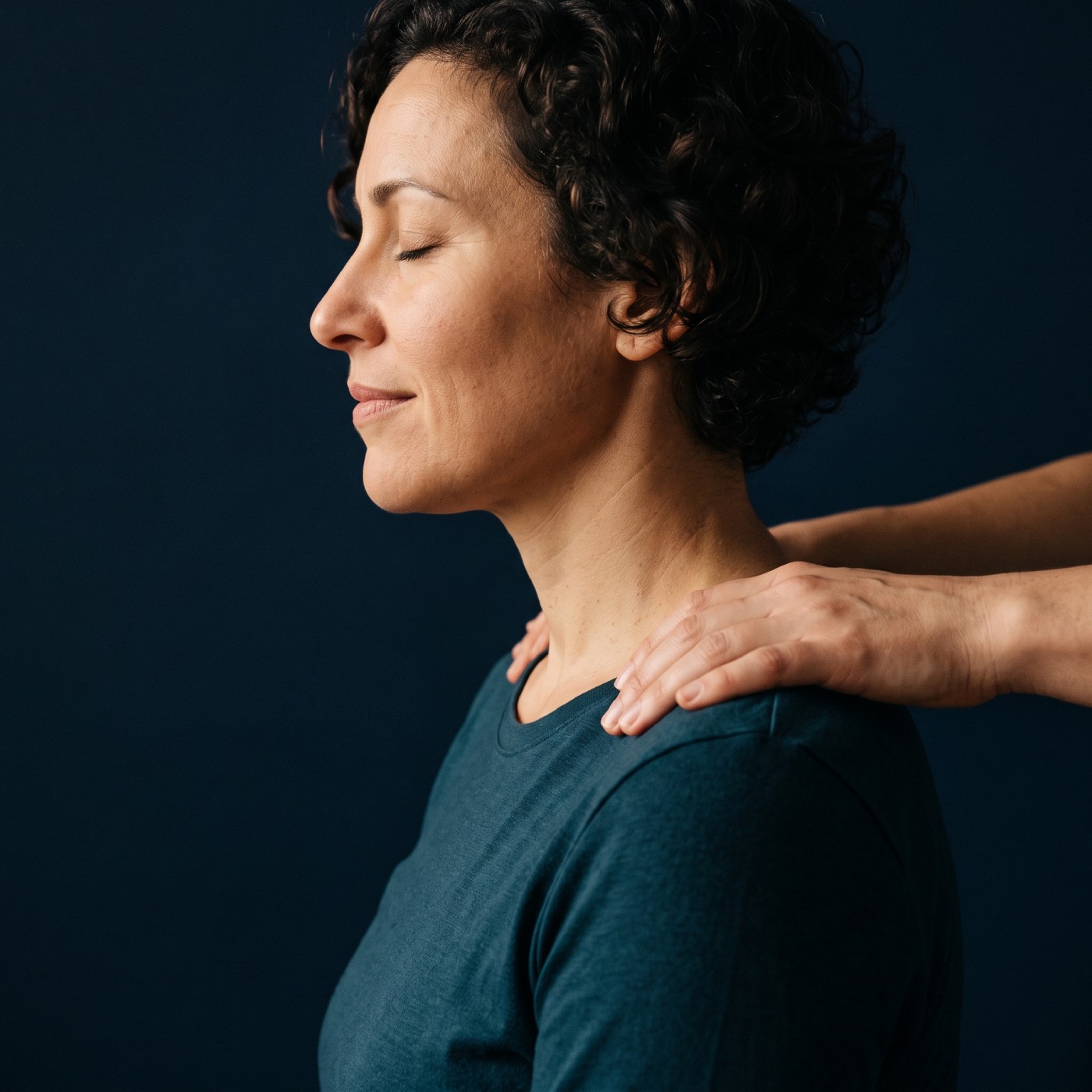
🎙 What Clients Actually Value (with Whitney Lowe & Til Luchau)
Can a session be worthwhile even when the client’s pain score doesn’t change?
Most of us judge our work by what’s easiest to measure: the pain scale, range of motion, how the technique went. But when a new review of 15 qualitative studies looked at what patients actually got from massage, osteopathic, and craniosacral work, they described much more—better sleep, less fatigue and anxiety, a sense of safety and belonging, and a changed relationship with their own bodies.
Whitney and Til explore what shapes those experiences, why the evidence on technique versus relationship is more mixed than either camp might like, and what it all means in the treatment room.
✨ We talk about:
• The details clients notice: being heard, time to talk, choices, temperature, lighting
• When a client wants deeper pressure than you think is wise
• Technique, relationship, or both? What therapeutic alliance research does and doesn’t show
• Why a technique isn’t a pill
• Pain versus distress: supporting the person when the number won’t change
• Better questions than “How’s the pressure?”—and what to do with “fine”
• A session arc: what would make it useful, feedback during, and “what’s different?” after
✨ And tell us what happened: ask one client what they value most about your sessions. Email us — we’d love to hear it.
✨ Resources:
• Zhang et al., “Patients’ experiences and perceived outcomes of manual therapy,” Frontiers in Pain Research, 2026: https://doi.org/10.3389/fpain.2026.1767395
• Michael Balint, The Doctor, His Patient and the Illness (1957)
🌱 Sponsor Offers:
• Jane – Try it free for one month with code THINKING1MO at https://a-t.tv/jane
• ABMP – Save on new membership at https://abmp.com/thinking
• Books of Discovery – Save 15% with code thinking at https://booksofdiscovery.com
• Advanced-Trainings – Try one month free of the A-T Subscription with code thinking at https://a-t.tv/subscriptions
• Academy of Clinical Massage – Grab Whitney’s free Assessment Cheat Sheet at https://academyofclinicalmassage.com/cheatsheet
✨ Watch the video / connect with us:
• YouTube: https://www.youtube.com/@AdvancedTrainings/podcasts
• Whitney Lowe – https://academyofclinicalmassage.com | https://facebook.com/WhitneyLowe | https://twitter.com/whitneylowe
• Til Luchau – https://advanced-trainings.com | https://facebook.com/advancedtrainings | https://instagram.com/til.luchau
📧 Email us: info@thethinkingpractitioner.com
The Thinking Practitioner Podcast is intended for professional practitioners of manual and movement therapies — bodywork, massage therapy, structural integration, physical therapy, osteopathy, and similar professions. It is not medical or treatment advice.


Full Transcript (click me!)
The Thinking Practitioner Podcast:
Episode 181: What Clients Actually Value (with Til Luchau & Whitney Lowe)
Whitney Lowe 00:01
Welcome to the Thinking Practitioner Podcast,
Til Luchau 00:03
a podcast where we dig into the fascinating issues, conditions, and quandaries in the massage and manual therapy world today.
Whitney Lowe 00:10
I’m Whitney Lowe,
Til Luchau 00:11
and I’m Til Luchau. Welcome to
Whitney Lowe 00:13
the Thinking Practitioner.
Til Luchau 00:16
The Thinking Practitioner Podcast is proudly supported by ABMP Associated Bodywork and Massage Professionals, the premier association for dedicated massage and body work practitioners like you. When you join ABMP, you’re not just getting industry-leading liability insurance; you’re gaining practical resources designed to support your career, from free top-tier continuing education and quick reference apps like Pocket Pathology and Five Minute Muscles, ABMP equips you with the tools you need to succeed and grow your practice.
Whitney Lowe 00:48
And ABMP is committed to elevating the profession with expert voices, fresh perspectives, and valuable insights through their CE courses, the ABMP podcast, and Massage and BodyWork Magazine, which features industry leaders like my co-host Til and myself, thinking practitioner listeners like you can get exclusive savings on ABMP membership at abmp.com/thinking. So join the best and expect more from your professional association.
Til Luchau 01:17
Our other sponsor for today-you’ve heard us talk about Jane before, and we keep mentioning them for a reason. We’re selective about who we partner with. We want sponsors whose values align with ours and who genuinely serve this professional community. Jane fits the bill. There are practice management platforms built specifically for health and wellness practitioners, simple enough for solo practitioners, but powerful enough for clinics and groups,
Whitney Lowe 01:42
and what really caught our attention is Jane’s reputation for customer service-real humans available by phone, email, or chat, even on Saturdays, and that kind of support is increasingly rare. And it says a lot about the company. So, if you’re looking to simplify business side of your practice, check them out at a t.tv. slash Jane. That’s a-t.tv/jane. And Thinking Practitioner listeners can get a free first month by entering the code thinking1mo. That’s thinking onemo at checkout. All right. So good afternoon, sir. How are you doing today?
Til Luchau 02:22
Good afternoon, very well. How about yourself, Whitney?
Whitney Lowe 02:25
Doing well, also.
Til Luchau 02:27
And we have an interesting topic to talk about today. Shall I cue it up for
Whitney Lowe 02:32
us? Yeah. Where are we going today?
Til Luchau 02:34
This was inspired by a recent review that came out. We’ll talk more about that in a minute. But I want to lead off with a question for you, our audience listeners. Think about a practitioner whose treatment really helped you, some sort of health practitioner. It could be a body worker, could be something else, but the treatment really helped you as a receiver. And think about what stands out in that, what they did, how their touch felt, if touch was part of it, or how you felt with them personally. So really get that in your mind. That’s going to help us in our conversation. And then another added dimension to this is, could a session be worthwhile, even if your pain score didn’t change? Let’s say you went to a session for a pain issue, even if that pain score didn’t change, you still give it the same number at the end of it. Could that session still be worthwhile? And what else would make the session worth it, even if that numerical score didn’t change. So the question here is, what what do we get from the whole encounter with our practitioners, and does it match the way we think about what we’re doing? Does it match where our attention is and what we think we’re providing? The question of what our clients find valuable is the background question here.
Whitney Lowe 04:01
Yeah, maybe for you, I’m going to ask if you ever ever had a client value something about your work that maybe you hadn’t realized was important.
Til Luchau 04:12
So many times, and probably much more than I realized, but I do recall clients coming back and commenting on something that I hadn’t even thought about so much, or this the classic scenario where I think I really do a great session, and the client’s like, okay, see you later, or I was like, I didn’t do too well today, and they’re like, wow, that was the best session ever for sure. That’s going on, and it’s, but the question you’re asking, like, did they value something about my work that I hadn’t realized was important? Makes me think of the classic story told in my structural integration subculture about Peter Melchoir, and maybe I even told it on this podcast before, where after years of working with a senior client, a woman who’s in the last part of her life, he felt like he was taking her money because he just kept doing you know a session every week and didn’t know how he was helping her. And Rolfing, in particular didn’t really doesn’t really have that model of like a continuous thing you do,
Whitney Lowe 05:17
yeah,
Til Luchau 05:17
and session thing you’re done. So he felt a little bad, and he thought, “I better let her go. I’m not really helping her. But he smart enough to start the conversation, and it’s like, “Rose, what, what do you get out of our sessions together? And the story goes that she said, “Okay, Peter, you might think it’s because you’re a great rolfer, but for me, once a week, I’m not afraid to die.
Whitney Lowe 05:45
Hmm. Interesting.
Til Luchau 05:47
Yes. End of the story. He goes, “Yeah, okay. What do you want to work on today? Right. Like we don’t know how this lands for people. I mean, that’s it. May be like not afraid to die, or it may be a time to be with myself. It may be that there’s physical things, or could be there’s personal things that people get. But yeah, and
Whitney Lowe 06:11
I think this kind of is inherent in what you were saying too a moment ago about when you were describing those different experiences that you have after the session. How do you know? Like when you said you thought you did that great a job, and they said this was wonderful, or you thought you were like so on point, and like yeah, yeah. Do we don’t generally ask like, hey, tell me about your experience of what this was about for you, like because a person is probably not going to necessarily speak honestly about their experience in many instances because they’re afraid to say something to you, but how do we ever know what they really, you know, what that really did for them?
Til Luchau 06:46
Yes, well, that’s what this review is about-the one that inspired the conversation. Do you want to tell us about that, Whitney?
Whitney Lowe 06:52
Yeah. So this was a a study, a paper that was done by Ying Zhang in 2026 review. I believe it was a systematic systematic review of about 15 different studies that were focusing on a number of manual therapies. This was massage therapy, osteopathic manipulation, and craniosacral therapy, I believe. And there was looking at these sort of outcomes and the things that happened for the individual patients. They were mostly described as patients in this study, like looked at the results of what they described as their key benefits or things that they got out of it on numerous different dimensions, and this was something that really you know reading the study made me sort of recognize that there’s you know we sort of touch on this periodically, but there’s a whole lot more going on than just the soft tissue manipulation that we are focusing most of our attention on. There’s a whole lot of other parameters of things that are happening here.
Til Luchau 07:51
So this study asked that question: What do you really get out of this work you’re getting? And we’ll link to the study in the show notes. But can you tell us something about what emerged, Whitney?
Whitney Lowe 08:00
Yeah. So I mean, the obvious ones, pain relief, you know, feeling better, and things like that. But there was all kinds of things with sleep improvements, reduction of fatigue, senses of sense of safety, sense of increased body awareness, that interoception that we talk about oftentimes, and just sensing more about being in a place where somebody’s listening to you and and feeling like you’re there’s a sense of belonging that some of the participants described too all in that study. So there was a number of those things that super hard I think for us to quantify and measure, but those are
Til Luchau 08:40
all yeah less anxiety. Less anxiety is also reported. Yeah, not things we’re typically asking about. How were how were your relationships this week? How’s your anxiety this week? That’s not something we typically ask about as body workers.
Whitney Lowe 08:53
Yeah,
Til Luchau 08:53
but turns out that’s what people are reporting getting from their work with us.
Whitney Lowe 08:57
Yeah, and that’s I think real important to remember because we do so often tend to focus on those things that are easier to measure, like you mentioned a moment ago, the pain scale or something like that, which is something that people do a lot. Just say, like, well, where are we? You know, did we make headway on this? And it kind of reminds me of that sort of that concept that we have to remember a lot when we look at research studies about the benefits of many of these things. You know, oftentimes what gets studied is what is easy to measure, not necessarily what is really the most relevant or pertinent kinds of of outcomes in these situations. But like that’s what we can that’s what we can measure.
Til Luchau 09:40
Well, and as practitioners, we sometimes focus on our habitual goals or on our assumptions about what they want, or on what’s easy for us to monitor, without even asking the question, like what’s what’s important for you today.
Whitney Lowe 09:54
Yeah,
Til Luchau 09:55
not opening up.
Whitney Lowe 09:56
Yeah,
Til Luchau 09:57
there’s. I mean, you mentioned body awareness. And there was, you know, one participant in the study who described reconnecting with an area of her own body that she had avoided touching after breast surgery, and that’s that also. I mean, that’s a dramatic example, but that’s so common too that people’s relationship with their own body changes as a result of the work they do with
Whitney Lowe 10:21
us, yeah, and I think for many of these individuals, who may you know, in many instances, may not have been highly attuned to even some of the more subtle fine sensations of interoception or proprioception in their bodies about just moving certain ways that just makes them slightly more attentive or attuned to something, and it’s even those little fine points of feeling or moving more effectively. Like, oh, you know, I forgot it used to hurt when I tried to stand up out of my chair, and now it’s like I forgot about that. You know, like it feels better, kind of thing, or it feels like I can, I can now reach the soup shelf in my kitchen, you know, where I couldn’t reach the cups before, or something like that.
Til Luchau 11:05
Tangible improvements that are noticeable with pain or range of motion, and then just a different sense of being at home in one’s body, just having different awareness. Like, oh wow, there’s that whole room in my body I wasn’t occupying. I now am able to pay attention to and feel in a different way.
Whitney Lowe 11:22
Yeah, I was like just thinking about the whole proprioception thing. This just came to mind, like because I noticed this yesterday. I was like, I had on a new pair of shoes yesterday, and I was walking, and I like every time I, not every time, but like numerous times when I stepped forward with my right leg, I felt and heard just a little bit of scuff on the heel that was brand new on this shoe and had not really been worn down yet. Because I know I that’s one of the ways that I have happened to walk with my unique gait, and I thought like I want to like take care of these shoes a little better. Like, what happens if I just lift my leg a little bit higher on each step, and like just to kind of make sure that those shoes aren’t wearing excessively. And just that little bit of change made me feel something all the way through my whole lower extremity into low back. And you’re sort of like you know increasing that awareness thing again, or like all those different connected pieces through the body with just a little minor change of just trying to clear the ground by another quarter inch or half inch or something like that.
Til Luchau 12:28
That’s great. And then the study also looked at what shapes the experience for the patients, the subjects in the study, and thinking people, the patients listed things like feeling heard, having time to discuss their concerns, having choices about treatment, including details like room temperature was mentioned, and their lighting was mentioned, blankets, things that could communicate that the practitioner was really attentive to their individual needs. Those are the ones that again landed with the participants enough to mention.
Whitney Lowe 13:00
Yeah, and I want to expandon this thing about being heard for just a second, because this I think is so critically important. One of the things that I think is so significant and important about what we do in the massage and manual therapy world is spending a lot of time with people, and that whole capability of spending more time with them means like we have a greater opportunity to really listen to a lot of things and really pay attention to a lot of things with them. And you know, when was we were talking earlier, you said about like what kind of things do you hear or note from your clients that you may not have been aware of? Like the first couple times somebody said something to me, and I thought, well, this is sort of becoming a pattern. I’m hearing this a number of times, where people are saying like, “You’re the first person who’s really listened to me, and that sense of feeling like, especially in some of the healthcare system where people are rushed through appointments very fast with most of their other healthcare professionals who don’t spend lots of time with them, just listening to them and paying attention to them and being attentive and making eye contact and making that connection with that person has such power, such therapeutic power for making somebody feel like there’s a beneficial outcome of what they’re doing, and it’s just it’s so simple, yet not always so simple because it does need training and expertise to be really good at listening like that.
Til Luchau 14:28
Well, we keep coming back to this. I wonder how many of our episodes we’ve mentioned this principle because it’s it is tricky. It’s difficult because it’s listening sets us up to think. Then we need to do something with what we hear, and sometimes it’s easier not even to open that door, or not to talk or whatever, because we don’t know how to always respond to what we hear. But really, it’s the act of listening itself is the intervention. Is the is the. Receiving of that information, maybe acknowledging, is the other part of that, but that’s that’s often enough in our role in that context. Yeah, and that’s that’s often makes such a big difference for clients too,
Whitney Lowe 15:13
right?
Til Luchau 15:15
There was some interesting examples of different preferences that patients in this study, had some wanted like really straightforward everyday explanations about what was happening in the in the session. Others, you know, like you know, one specifically said he appreciated knowing that the practitioner was working around L4-L5 So that kind of technical information, some subjects really appreciated, and that’s something to think about too. Like, how much specific explanation does somebody want? What kind of information are they interested in, and helps them feel engaged as a part of the session?
Whitney Lowe 15:55
Yeah, and you know, this I was going to ask you about this too. Like, this is an interesting sort of question around this. Like, this this question came up in my clinical rounds group last night. I’ve got an online Zoom meeting that we do with my students, and we were talking about this person had been talking about a client that they were seeing who kept saying they wanted deeper and deeper pressure, you know, like got to got to push more and got to push more on there. And they had some neural injuries that was causing significant atrophy and wasting of the muscles of their lower leg from that had started at after a surgery in their low back. So there was a suspicion that somebody had nicked a nerve root that was causing this, but the person kept wanting more and more pressure in there. So now here’s the question: Is that the outcome that this person is looking for is feeling like they’re not getting, you know, somebody’s not working hard enough or deep enough with them because they’re not feeling something in that, you know, they’re causing other kinds of sensations in there. So, but the the therapist and the practitioner that was referring to this situation, saying like she didn’t feel comfortable working harder and deeper in there because it didn’t seem right physiologically in terms of what was likely to happen with doing that, and so now the outcomes of what we think we should be doing don’t always necessarily match with what the client seems to be wanting. So, what do you think in a situation like that, in terms of trying to get that up a positive outcome for somebody’s experience when they’re maybe asking for something that that you don’t think is physiologically appropriate for them?
Til Luchau 17:35
Yeah, that’s that’s a that’s a great quandary to unfold a little bit. Clients saying more. Can you go deeper? We suspect that that may not be good for their tissues again. If there’s some neurological deficit, or maybe it’s not good for us. Maybe we’re working at our physical limit at that point too. What do we do at that moment? I think it’s. I’m. I’m making this up off the top of my head, but there is something about even making that choice collaborative. And I’m just going to try a couple lines. Something like, okay, so I’m working fairly deeply now, and you’re saying you want even deeper sensation. I’m concerned because you did report some numbness or something like that. That that might not be good for your actual tissue. What is it you’re feeling that makes you want it deeper? Let’s talk about that. Yeah. So I want to start the conversation about what it is they’re actually wanting. They say, “Oh, I just don’t feel it. I say, okay, so that’s important to know. I wonder if you could open, open like imagine you’re going to draw me in, rather than me push harder. What if you draw me in more? How do is there a way you can use your breath or your gentle movement or something that helps you feel this even more?
Whitney Lowe 19:00
Yeah.
Til Luchau 19:01
So there’s a way that we start to work together, so that it’s not just me pushing harder, but that we’re actually having a conversation, and they’re actually an active participant in that deeper process as well.
Whitney Lowe 19:14
Yeah, yeah, that’s excellent. So one of the other things that kind of came out of this, and this, this definitely hit a chord with me because of you know learning about this stuff. I remember in my graduate school in psychology, we talked about techniques, the emphasis on like counseling techniques, which methods are most important, and I think there’s such great relevance and similarity in what we see in the massage or manual therapy world here. That came up a lot in this group of studies. I think about how important was that particular methodology, or was it really about the relationship between the individuals? And we’ve seen this again and again in psychotherapy and research in the psychology field. That it isn’t really at all about the the technique of counseling that is making the biggest difference for patient improvement. It’s the client therapist relationship, and
Til Luchau 20:13
we hear that a lot in the shift toward biopsychosocial perspectives. That you know the the research comparing modalities shows much smaller differences than the way the the expectations say, or the way the client thinks about it, or the relationship with the practitioner.
Whitney Lowe 20:30
Yeah, and I think the important thing to remember for us, especially in this world, is that a technique is not an objective treatment like a pill, which is like you know, you get a bottle of Aleve pills, whatever you know, like some anti-inflammatory medication. You can make a pretty good assumption.
Til Luchau 20:50
They are not a sponsor of our show, by the way. Oh yes, by
Whitney Lowe 20:52
the way, I should say like anybody’s pills. You get a bottle of them, you can make a pretty safe assumption that they’re all the same, and that the results should be the same from taking every one of those. But a technique or a methodology that we use. I mean, I see this just as an example as a as a teacher walking around the room teaching students a particular technique. I did it one way, and I’m seeing 15 different kind of semi variations on the way I did this. That some people are doing different. Some places like, hey, that’s a really cool different way to do this. Or like, I think you might be finding a little bit less benefit or more discomfort with your client if you don’t move your hand this particular way or something. But the real thing is like it’s not so much I think personally about the exact mechanics of hand movement, hand placement, hand pressure, etc. as it is about the person who’s doing that and how that is conveyed through what they’re doing there. Not to say that the technique doesn’t matter because I certainly think it does, but when you can combine that with the being and who the person is and how you’re relating with that person, I think that’s what makes it so powerful.
Til Luchau 22:08
Yeah, and the and the evidence is mixed. I mean, me with a psychotherapy background was I’ve definitely had a bias toward the relationship being a significant factor in what helps in a body work session, but those studies that have looked into that have like Fuentes studied 117 people with chronic low back pain. He found that more supportive practitioners increased immediate pain relief. Ted Kaptchuk did some really fun studies with acupuncture and showed that it was the reassurance from the practitioner that made the biggest difference in the results from that. So there’s pieces of evidence, but it’s a 2024 review found that really focusing on treatment context didn’t always add benefit for pain or function, and certainty across all the studies was fairly low, so there’s there’s times it’s really the key factor, and there’s times that there’s something else. Maybe it is technique, maybe it is our knowledge, maybe it is the readiness of the client. So we can’t say that relationship always outweighs technique, but we can say it’s a significant factor right alongside it.
Whitney Lowe 23:19
I think that’s absolutely absolutely right. Like these are not things that you can say this is better than that. But what you really are saying is essentially both of these are super powerful contributing factors. And if you can maximize them both, that’s what’s going to give you the best outcomes as much as possible.
Til Luchau 23:39
Yap, and we can say if you only got one of them, if you’re technically really good, or you’re really related but don’t have the other, you’re not going to get as good a result or have a satisfying practice.
Whitney Lowe 23:48
So, and you know, this is something again I grapple with is a great deal as an educator that it’s a whole lot easier for me to teach technique than it is to teach being and presence and compassionate, caring, understanding sorts of things because those factors seem to be things that really come a lot from personal growth and personal development processes. Probably more so than you know a technique that we learn kind of thing, or or I mean, like what are what are your thoughts on that? Because I always struggle with like, how do you relate and teach those things?
Til Luchau 24:30
You, I just got to assist you at the AMG National Convention in one of your classes about pain, and I would say you were teaching how to do this the whole time, even though you didn’t have a slide about therapeutic alliance or honoring what your you know client says or listening, you were doing that constantly in the room. You were as a teacher, you were completely modeling this collaborative validating. And you know you would validate every question came to you, and then redirect it to what it was that you wanted to invite people to understand differently.
Whitney Lowe 25:09
Yeah.
Til Luchau 25:10
So I think we do that as practitioners. In other words, I think that the way we are with them is the teaching.
Whitney Lowe 25:17
I would just personally like to see those things emphasized a little bit more in both entry-level education and continuing education, and especially in the continuing education arena, where the model is most commonly the two-day weekend workshop. It’s just it’s incredibly difficult to do that in two days. This is something that would be much more effectively modeled across longer periods of training…
Til Luchau 25:46
Like on a lake in Thailand…
Whitney Lowe 25:47
Yeah, there you go.
Til Luchau 25:48
On a lake in Thailand. No, I’m kidding. No, good reason to do that. That’s the retreat I teach. No, you’re right. This this does need to be part of a longer, our ongoing,
Whitney Lowe 25:57
yeah,
Til Luchau 25:58
education and maybe our continuing education as well.
Whitney Lowe 26:02
So what do you think in terms of you know this kind of research? How does it help us kind of understand that? And you know, we often talk about like we said measuring things that are easy to measure, like the pain scale kinds of things, is easy to measure. But that might miss so many of these different characteristics. You know, how do we kind of like put a qualitative measure on like this is another reason why what we do is really beneficial or really very helpful?
Til Luchau 26:37
I had people in my trainings who really focused on the pain scale who ask, give me, give it a number now, give it a number of pressure, give it a number now that I’ve stopped working, and I really appreciate that clarity and the attempt to make it their work really relevant to what the client is experiencing, but we might miss. Things and even asking someone to give it a number, we might miss the qualitative aspects of their experience.
Whitney Lowe 27:08
Yeah, and
Til Luchau 27:09
so I, for myself, I tend to try at least start with bigger questions. What’s this like? Let’s not measure it yet. Let’s describe it because that does help me as a practitioner understand the qualitative nature, and that that’s something I can relate to easier than just pure intensity or pain scale.
Whitney Lowe 27:28
Yeah.
Til Luchau 27:28
So that’s that’s that’s my take on the qual quantitative thing. There’s still times to use a number scale, but I’m working a lot with qualitative experience as much as I can.
Whitney Lowe 27:43
Yeah. So, how would you say that this this way of kind of like being with the clients has has changed over the course of your career, alongside you know, let’s say development of techniques and things like that? Have you yeah noticed that shifting or changing in any particular direction
Til Luchau 28:01
in in my own work, or you think in our field? Yeah, in your own
Whitney Lowe 28:04
your own work. Yeah,
Til Luchau 28:05
yeah. I think the pendulum’s wobbled some, but it’s like I said, my original training as a psychotherapist, even before I was learning body work, really predisposed me to valuing the relationship and understanding that that was the context in which change happened,
Whitney Lowe 28:24
yeah.
Til Luchau 28:25
And so I think that’s always been the flag I wave, or the way the thing that I attend to in myself, and the places, honestly, the places that I get the most radical learning for myself, the places that I have realized I’m falling short, or I’m not meeting the client’s needs. I mean, thank goodness for the client who, early in my practice, is going through the Rolfing series with her, which is session six. It’s classically prone. You’re lying down prone. Ida Rolf’s view that we were taught was that she didn’t feel like people were ready to lie prone for a long time until they’d had the previous five sessions, just structurally. So six session, six comes along. My client’s lying prone. I’m working the back of her legs and up into the rotators, and at some point she sits up and she looks at me, says, “Listen, I really need you to talk to me and tell me what you’re doing when you’re going to work my behind? I was like, Oh, of course, yeah. So, yeah, like, wow, I’m so glad she said something. We were, you know, I don’t remember if we were completely silly or we’re talking about something else, but no, I got it. Like, this is a place that we need to stay in verbal communication to. Thank goodness for her letting me know that. Yeah, that’s that’s the place is the most shocking learning has come from me too, where I realize the blind spots in my own approach.
Whitney Lowe 29:45
Yeah,
Til Luchau 29:46
you should. I talk about balance. Should I talk about this forgotten classic in this field?
Whitney Lowe 29:52
Yeah, absolutely. This is not a.
Til Luchau 29:54
This is not a new idea. In 1957, Michael Balint. A book really exploring this topic. The book was called “The Doctor, His Patient, and the Illness, where he really explored the idea of the practitioner was part of the therapeutic agent, though the clinician’s way of relating belonging to what we did to the examination in the treatment room. In other words, the value of tableside manner, bedside manner, and how we, you know, of course, we’ve incorporated that viewpoint. We didn’t invent it. Is really something that moves in the psychotherapeutic world and the medical world. That how we listen, how we explain, how we respond to the client’s uncertainty, how we receive their feedback deserves deliberate practice alongside our hands-on skills.
Whitney Lowe 30:44
Yeah.
Til Luchau 30:46
So it’s you know the practical things of what he was bringing forth. We’re like really consider making room for our clients disagreeing or not being sure about what we’re offering them. Notice when we’re rushing, being willing to change course when a client’s response or patient’s response differs from our expectations,
Whitney Lowe 31:04
and hopefully some of that is, and I do think it is leaking into the traditional healthcare system in terms of a little bit more attention to personalized care than the sort of impersonal kinds of things that that you know people were accustomed to getting in in the healthcare system, and you said, I mean, this this book was used to what 1957? 57, yeah. So, I mean, quite a quite a while back, but it takes a long time for some of those things to kind of weave their way into practice. But I think there’s definitely been improvement. The whole patient-oriented, you know, patient-centered care movement and things like that have have really encouraged a lot more focus and attention in that direction.
Til Luchau 31:53
Yeah, and there’s you know ways to even think about technique, like the technique we choose.
Whitney Lowe 32:00
Yeah,
Til Luchau 32:00
what pressure we use, whether it’s moving or still, how long we’re doing it, all those things. For sure, you talk all the time about clinical reasoning and how people find that. There’s also technical competence, and then there’s also the relationship context. How do we make this part, this choice, even part of the alliance? And it doesn’t necessarily mean we have to ask our clients constantly, “What’s this like for you? Or you know, we don’t always have to be verbally in communication. In fact, once that’s established, a lot of it can go nonverbal. We really are watching our clients’ breath, their movement, their response.
Whitney Lowe 32:36
Yeah,
Til Luchau 32:37
and the you know the same understanding that the same technique or same skill could feel really differently to someone the next session, or even part of the same session, that’s always a changing relationship. That’s always something we have to be attuning to,
Whitney Lowe 32:53
and that’s one of the reasons that I think it is is so important to kind of break ourselves out of attachment to you know routines and protocols because let’s say you know you you say oh I’m doing this you know particular shoulder routine or I’m doing this particular thing because I know that I read this article that said when somebody’s got you know rotator cuff tendinitis do these things for them, but that’s that’s assuming that everybody is the same, and you know, like the the nature of what’s going on with them and who this person is. Maybe they are not at all receptive to that kind of touch, or quality of touch, or way in which this particular protocol you’ve brought up is going to be appropriate to them. And it’s something’s going to have to be very, very different. You’re going to have to just touch them much more gently and much more softly to begin with, or
Til Luchau 33:43
maybe they’re not as comfortable speaking up. I mean, I noticed that in myself. Remember the conversation with Betty Martin many episodes ago, where it’s like, do clients feel free to even speak up if something’s not quite right, or are they just waiting it out so as to not have to break your flow or disturb you as a practitioner, I find myself even as a client sometimes like, okay, they’ll be done with this soon. Maybe it’s not even worth saying something, but that how do we’re thinking? I guess for me as a practitioner, then how do I open that door so that people are more likely to communicate with me or signal to me or something that when I’m on track and when I’m not on track.
Whitney Lowe 34:21
That’s a really important one there, and I think maybe even setting something up in the discussion with the clients in the treatment room of like you know I want you to feel free to you know to tell me anything about your experience, whether it’s positive or negative. This is really important information for me to hear and to know. And it’s you know there has got to be. I mean, oftentimes there’s this power differential thing of like feeling like you, the client most of the time wouldn’t want to tell the practitioner something negative about what they’re doing, and that’s hard to do with somebody. But giving the person the the safety and the freedom to speak as much as possible. Possible to them. It’s critically important that you do that. That’s really that’s really important.
Til Luchau 35:05
And so it’s important to set that to say something in the beginning. Let me know if this is going to be better. That’s one of my common things of talking to me. But that’s not enough either because people go into a different altered state sometimes during the work where they don’t remember all your disclaimers in the beginning, yeah. And so it’s it could be a willingness to check in on our part too. How’s this going for you? How’s yeah
Til Luchau 35:30
you know the classic how’s the pressure is not one to hold back on. It’s not enough by itself, but it’s for sure one to stay in tune with.
Whitney Lowe 35:38
Yeah, and that you know that whole question, which is again so often asked, how how’s the pressure? That’s just such. It is really a completely ambiguous question because, like, how’s the pressure? Well, it’s pressure, you know, and like sometimes maybe it’s a degree of of discomfort that’s a little too much, but you think there’s going to be benefit, so don’t stop. But like, don’t do quite so much or something like that. It’s it’s a hard question to easily answer.
Til Luchau 36:11
It is. I I yeah. That’s why I like. How could this be even better? That’s how instead of how’s the pressure? Good. Yeah, that’s
Whitney Lowe 36:19
good.
Til Luchau 36:20
It’s like how let’s can we could we make this even more relevant to what you’re feeling? You know those kind of questions got me into making this even better.
Whitney Lowe 36:29
Yeah,
Til Luchau 36:30
and sometimes I go, it’s great, just stay there. But sometimes I say, oh yeah, if you just actually that place you were just going over kind of quick, could we hang out there? It’s like yes, that’s exactly what I need to know,
Whitney Lowe 36:40
yeah, yeah.
Til Luchau 36:43
Well, you know, we’re we’ve talked about some of our points. I’m wondering about the one about when we can’t reduce someone’s pain, because you know we’ve talked about how good we are at doing that and how to get it down to a qualitative rather than quantitative measure, but there’s times when someone’s pain just doesn’t change or maybe better a little bit and then comes back. I’d like to think together about what other ways we can be useful.
Whitney Lowe 37:16
Well, think about the the story that you relate at the beginning of our our talk here about the woman seeing your your colleague, you know, coming back over and over, year and year after year. Obviously, that wasn’t about pain reduction for her. It was about a feeling of safety and comfort and and ease, which was brought on acceptance of that sort of thing. So, I think it often comes back to like what is that person getting out of it? Like you may not feel like you’re making headway with them because your pain scale hasn’t improved significantly, but for some reason or other, maybe it’s just that that’s their break from life for that period of time or something like that. But there is still something that has great therapeutic benefit that’s making them feel more at ease, and maybe it’s not that their pain scale changed a whole lot during the session or immediately after the session, but they didn’t recognize that they actually didn’t wake up four times during the night. They only woke up once, you know, and then there was more effective sleep and things like that, and they do feel a little bit better, but it’s hard to directly make those connections to what you did with your work. So I think a lot of times, those broader things that this study brings up that are benefits that that the patients were feeling, these things are are definitely real beneficial.
Til Luchau 38:42
I’m interested in working with people’s pain, but I’m also interested in understanding and working with their distress, and distress being the bigger set of reactions and feelings, and upsets around perhaps being in pain, but around perhaps other things as well.
Whitney Lowe 38:59
Yeah,
Til Luchau 38:59
and so sometimes I can get really specific with reducing someone’s pain; their numbers go down. Yeah, but I can almost always find a way to support them in their distress, and it might be like we mentioned: the listening, the questions, the companionship. A lot of it comes down to companionship. We asked that question in the beginning. Think about a practitioner who, you know, really made a difference with you, and what did they do? What was their part in that equation?
Whitney Lowe 39:30
Yeah,
Til Luchau 39:30
and I used to ask this question in part of our, you know, part of our trainings, and we’d fill up the board with things people mentioned. At the end, we’d end up with this whole whiteboard full of ways the practitioner helped, and then we’d ask the question: How many of those are technique?
Whitney Lowe 39:47
Yeah,
Til Luchau 39:48
and usually there was one on this whole whiteboard.
Whitney Lowe 39:51
Yeah,
Til Luchau 39:51
full of ways the practitioner was helpful.
Whitney Lowe 39:53
Yeah,
Til Luchau 39:54
but they include always include include things like they were present, they responded, they were reassurring, They took their time. They were thorough. I can feel their confidence. You know, all those things are related to technique, but not technique. Yeah. More this interaction quality,
Whitney Lowe 40:12
and just you know, giving that person the sense from the very beginning that I’m I’m here to help you and I’m here for you. That just is has got a lot of. You’re already halfway down the road at that point of of getting something beneficial to come out of that. If you can really get that person to feel those things that you’re there for them, that you’re there to help them, and and you’re you’re going to be there for them in a in a really important way.
Til Luchau 40:41
Maybe we maybe we can do our sum up of things we might do differently, or that I want to remember differently, or we want to invite our listeners to do differently.
Whitney Lowe 40:52
Yeah. So, what do you what do you think? Like, if if I were to pose that, what what do you think maybe of the things that you have learned over the years and the way in which things have changed for you? What would you encourage to a newer practitioner of something that’d be really important to focus on in making things work well?
Til Luchau 41:17
Yeah, I yeah that newer practitioner thing is helpful because there’s a place that I need to remind myself too, with a newer practitioner in me that forgets this stuff, or it is a ongoing practice, for sure. But I think if we timeline it, if we really think about the arc of a session in time before a session, we want to really make sure we’ve asked what would make the session useful? We want to understand why this person is coming to us, and that’s really getting beyond a bodily part, like oh, it’s my back.
Whitney Lowe 41:50
Yeah,
Til Luchau 41:51
to really a personally, personally meaningful motivator. Yeah, I’d like to have less back pain because I want to get down on the floor and play with my grandkids, or you know we want to really understand what’s motivating our client, and that’s so important before the treatment even begins.
Whitney Lowe 42:09
Yeah, I think setting that context is is critically relevant, and I think too the other piece about that that’s not something that just happens at the very beginning, I think that’s something. If you can connect with that person repeatedly throughout, of like you said, checking in with them about what their experience is. How do I make this better? How do I make this more for what you’re looking for? That kind of thing that that really lets them know you’re not just there, you know, moving along, doing things, and and doing something with without paying attention to them.
Til Luchau 42:47
Yeah,
Whitney Lowe 42:47
you’re really they’re tuning in the whole time.
Til Luchau 42:50
Well, that’s the during the if we think about this arc of time during the treatment, then we’re inviting feedback. Yeah, want to know about the pressure, pace. We want to know how quiet they want to be, how much they want to talk, you know the the movements they’re making, or if they’re still all those things we want to be attuning to, inviting possibilities for, following our clients’ lead, inviting them to explore different aspects of that,
Whitney Lowe 43:14
right?
Til Luchau 43:14
And we want to we want to show them that their feedback that we hear it and that it actually changes and respond what we do, we that we actually respond to it, and we actually do something differently.
Whitney Lowe 43:25
Yeah. Now, and that brings up another interesting thing to think about because you know we keep talking about these things of improving that degree of communication between us and our clients, but remembering too that there are so many different communication styles and personality types and things like that, and some people don’t as easily access those sensations about themselves, or easily access the feeling, the comfort and safety of talking about how they’re feeling in their body. Some people just gush about it because they’re really connected and tuned in with that. But a lot of people, this is-they haven’t had an experience of going to a practitioner and wanting to really comfortably share about how they’re feeling in different things. That’s that’s another thing, really important thing to for us to remember when we’re talking about opening up that discussion.
Til Luchau 44:18
Where a lot of us are painfully aware of that. In fact, when I’m talking about these things in an in-person training, there’s always the person says, “Okay, so what about my client who says nothing but fine? Yeah, that’s right. You’re going. Yeah, and fine might be fine. Fine might be enough, but especially in the beginning, if we take the clock back now to the beginning, if someone says, “What do you, you know, what do you notice in your body? And say, “I’m fine, great. Let’s describe that a little bit. Like, what you know? Can you describe what happens in the weight in your foot as you step into it, or make it really specific?
Whitney Lowe 44:52
Yeah.
Til Luchau 44:53
Or which comparisons? No, does is is there more weight in your right foot or your left foot? Like those little. Make you essentially multiple choice, starting up and end it, but moving it down to giving a menu of options can be really helpful. We’re not going to have that typically that kind of detailed conversation in the midst of a session. We might do a little bit of exploration, but it’s more if if if it’s during the session and someone says, “How you doing? They say, “Fine. This is, “Okay, then I might follow up. Pressure, pace, temperature going okay. I might again make it multiple choice. Yeah, yeah, we’re good. Okay, great. We’re we’re in non verbal. We’re attuned. Let’s go there.
Whitney Lowe 45:36
Yeah.
Til Luchau 45:38
So yeah, we’re finished in this arc of time after a session, some things that I might suggest to a new practitioner or to myself, I might ask, “What’s different? What’s different? And what might still need some work? That’s the way to phrase it,
Til Luchau 45:57
because it is important to make room for differences. Getting someone to actually stand up and feel a lot of times the differences will register. That’s part of learning is registering difference, but then we don’t want to just lead the witness too much of like tell me how great I am as a therapist.
Whitney Lowe 46:13
Exactly, which will be
Til Luchau 46:14
the which will be the pressure the client feels if I’m asking what’s different.
Whitney Lowe 46:17
Yeah,
Til Luchau 46:18
what’s what still what still remains because we acknowledge that too, not just so we can check in about it next time, but so that we’re realistic and understanding that it’s it’s going to be there’s going to be results and there’s going to be things that didn’t respond.
Whitney Lowe 46:32
Yeah, and I think framing something like how can we improve this? You know, how can we make this better next next time, or how can we continue making some headway here in the direction that you’re really wanting to get to. Let’s let’s talk about our strategies of what can really improve you in that direction. And you know, I have never been good about the business part of that whole idea of you know getting people to sign back up for sessions, you know, right after they’re done, all that kind of thing. But that’s a way in which you can kind of lead into that process, if that’s your model of the way that you’re working and trying to get people to come back, is you know just talking not about like hey when you want to sign up to come back again, but let’s let’s talk about like how can we keep you moving forward in the direction that you want to go in.
Til Luchau 47:18
If we were to do some more work next time, what would you want to focus on, Ben? Based on what you feel now,
Whitney Lowe 47:24
yeah.
Til Luchau 47:24
What do we? Yeah. Well, what from this would you like to explore more if we do another next time or next time you’re going to come?
Whitney Lowe 47:30
Yeah. Yeah.
Til Luchau 47:31
I don’t want to talk scheduling with my clients after a session. That takes them into a part of their brain that we, you know, it’s not that’s not where I want to leave them, unless unless you know there’s an only chance, but I do that with auto responder follow-ups and that kind of stuff. Like, yeah, here’s a scheduling reminder if you want that kind of thing is is a way to you can keep that door open without asking someone to pull out their phone right then at the end of a session.
Whitney Lowe 47:57
Yeah.
Til Luchau 47:58
So let’s leave our listeners with an invitation. I had in mind that what would it be like, listeners, if you ask one client what they value most about your sessions? Find a way to work that and say, “Hey, I want to check in as we start in our next session here. What’s been valuable so far? Just for my own learning and my own understanding. Yeah, find a way to work that question in, and then notice whether their answer matches what you thought was happening or your own assumptions. Be open for surprises.
Whitney Lowe 48:35
…and I would encourage them as they answer that question to talk about the seemingly insignificant things, also because they might really try to focus on just the big things that they think you think are important, like oh, my pain’s not as bad or whatever. But just like tell me even the most insignificant things that you’ve noticed that are different, like you know I can put my shirt on now without as much challenge or something like that, you know, all of those things that seem possibly insignificant that really are part of of what you’re doing. Like I, I just feel better after I come to see you. I just feel more at peace with the world or whatever it is, kind of things. You know, that really give them some some leeway to open those questions up to to bigger and broader answers.
Til Luchau 49:23
That’s great. This episode is also brought to you by the Academy of Clinical Massage and my co-host Whitney Lowe’s newly evolved Orthopedic medical massage specialist program. If you’re a soft tissue specialist, you deserve a path to becoming a respected clinical expert with a practice that’s both financially rewarding and physically sustainable, that’s exactly what Whitney and the Academy of Clinical Massage are here to help you build.
Whitney Lowe 49:50
And we have completely redefined advanced continuing education with a heavy focus on personalized learning, an interactive, self-paced path that adapts. To your unique clinical background goals and interests, and it’s designed to function as a complete practice accelerator system where you’ll master evidence-informed assessment protocols, treatment strategies, and deeper clinical reasoning to solve complex pain conditions with confidence. So visit theacademyofclinicalmassage.com to start your personalized learning journey, and you can even do this with an easy payment plan as well. And I would love to have the chance to have you join us. So come check us out over there. And as always, we would like to say a thank you to all of our listeners and sponsors. You can stop by our sites for the video show notes, transcripts, and any extras. You can find that over on my site at academyofclinicalmassage.com. Til, where can they find that for you?
Til Luchau 50:45
My website, where all those things live, is advanced-trainings.com, and we want to hear from you with your ideas, input, feedback about the show. You can email us at info at thethinkingpractitioner.com or look for us on YouTube and social media under our names, my name Til Lucha and Whitney. What’s your name
Whitney Lowe 51:07
today? My name is Whitney Lowe. You can find me over there as well under that. And we would really appreciate it if you would just take a quick moment to rate us on Spotify or Apple Podcasts or wherever you happen to be listening to the show. It does help other people find it, and if you can just take a few seconds to do that, that would be much appreciated. And as always, thanks again so much for letting us hang out with your earbuds for a little bit of time here, and hope this shifts and changes some things you’re doing in the clinic. So share the word, tell a friend, and we’ll look forward to seeing you in our next episode.
Til Luchau 51:39
Thanks for the conversation, Whitney.
Whitney Lowe 51:41
Enjoyed it. Thank you as well, as always.
Huge thanks to our sponsors:



Live Workshop Schedule
Stay Up to Date
…with the Latest Episode, News & Updates
Get our free Techniques e-Letter
You’ll occasionally receive the latest schedule updates, tips, secrets, offers, resources, and more. Check out our ironclad privacy and SMS policies. You can unsubscribe/stop at any time.
This Month’s Free Online Course
Our gift to you. Includes CE, Certificate, and Extras.
Follow Us
Join us on FaceBook, Instagram, Twitter and YouTube for information, resources, videos, and upcoming courses!
0 Comments